
Wrist Straps for Lifting
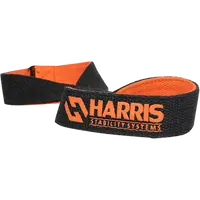

Strength gear works best when it solves a real training problem instead of adding more friction to the session. A lot of lifters search for wrist straps when they really mean lifting straps: the straps that loop around the bar and help your hands stay connected once grip becomes the weak link. Used well, they do not replace strength. They let the target muscles keep working when your hands would otherwise end the set first.
If you are buying in Australia, it is worth choosing for real training feel rather than for the most aggressive spec on the screen. The right wrist straps should help you move into position cleanly, brace with intent, and stay confident once the session turns serious.
What lifters usually mean when they say wrist straps
Wrist Straps for Lifting matter because they change how the lift feels under load, not just how it looks on the rack. For many lifters, the biggest upside is more control when the bar starts to roll in the hands, longer productive sets on pulling movements, and a clearer split between grip training and back training. When the support level matches the movement, bracing feels more natural and the session becomes easier to repeat with intent.
That usually leads to cleaner setup, better patience under the bar, and less fiddling between sets. Options that suit both quick setup and maximum security is often the difference between gear that stays in rotation and gear that ends up forgotten in the bottom of the bag.
That is why the best option is rarely the one with the loudest reputation. It is the one that fits your body, your preferred setup, and the way your training week is actually built. That keeps the purchase practical and the training benefit obvious from day one.
Who tends to benefit most from grip assistance
The lifters who usually get the most from wrist straps are deadlifters whose hands give out before the posterior chain does, strongman athletes moving onto thick handles, carries, and event tools, and bodybuilding lifters chasing longer back sets and better lat focus, along with general gym lifters who want cleaner heavy pulls, rows, shrugs, and pull-downs. They all want slightly different things, but the shared goal is simple: support that helps performance without making the rest of the session harder than it needs to be. Lifting Accessories
For some people that means easier all-session comfort. For others it means a more aggressive feeling right at the point where the set gets demanding. The best choice depends on what usually limits you first: discomfort, uncertainty, lack of warmth, not enough support, or too much rigidity. Wrist Straps vs Wrist Wraps: Grip Assistance vs Wrist Support
If that sounds like your training, focus on how the product will feel after multiple work sets, not just how it sounds in a product title. A smart choice should still make sense on week-to-week training days, not only on your absolute heaviest single. 2 Ply Figure 8 Heavy Duty Straps 86Cm
How standard straps and figure 8 styles differ
At Harris, the practical wrist-strap conversation begins inside the Lifting Straps range. Standard lifting straps suit lifters who want a familiar, versatile setup for deadlifts, rows, shrugs, and machine pulling.
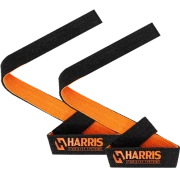
Figure 8 straps step up security for lifters who want faster lock-in and less chance of the bar shifting once the load becomes serious. They are especially popular for deadlift work and strongman-style pulling.
That means the smartest choice is not about the search phrase alone. It is about whether you want a general-purpose strap or a more committed figure 8 feel for maximum pulling security.
That spread matters because it lets you choose more precisely. Instead of forcing one setup to cover every kind of session, you can match the product to the main demand of the block. 2 Ply Heavy Duty Lifting Straps 70Cm
Choosing the right grip aid for your pulling work
The cleanest way to narrow the right option is to judge it against the things that actually affect training feel: whether the straps are mainly for deadlifts or for a wider range of pulling work, how quickly you want to wrap in and out between sets, and whether you still want to train grip directly on other movements. After that, look at how much bar security you want once the load gets serious and whether you prefer one versatile strap or a more specialised pulling tool. Figure 8 Lifting Straps Orange
When those points line up, support gear becomes simple. You stop fighting the equipment and start using it as part of a repeatable setup. That matters far more than copying someone else’s choice when their body, sport, and training phase are different from yours.
- Prioritise Whether the straps are mainly for deadlifts or for a wider range of pulling work
- Prioritise How quickly you want to wrap in and out between sets
- Prioritise Whether you still want to train grip directly on other movements
- Prioritise How much bar security you want once the load gets serious
- Prioritise Whether you prefer one versatile strap or a more specialised pulling tool
A good buying decision should feel obvious once you picture the exact sessions you want the gear for. If you have to invent a use case to justify it, it is probably the wrong pick. Lifting Chalk
Where straps make the biggest difference in training
In real training, these products earn their place on heavy deadlifts and rack pulls, high-volume rows, pull-downs, and shrugs, and strongman pulling events and carry variations. They are most useful when they remove friction from the setup and let you stay focused on the lift itself. Lifting Straps Orange
They can also make a clear difference on sessions where grip fades before the target muscles are finished, where a small boost in comfort, warmth, grip, or support can keep quality higher deep into the session. That is often where long-term value shows up: not in one heroic set, but in how reliable the gear feels across a full training week.
That is also why many experienced lifters rotate support gear by day. The setup that feels brilliant for top-end work is not always the same setup they want for sessions where grip fades before the target muscles are finished. Matching the tool to the session usually keeps performance more consistent across the whole block.
Why a smart kit bag often includes both straps and wraps
One reason Harris continues to resonate with strength athletes is that the range is broad enough to give people real choices instead of one catch-all answer. That shows up in existing Harris strap range already covers standard and figure 8 formats and clear pathway between grip-focused accessories and wrist-support products such as wrist wraps, plus strength-sport context across powerlifting, strongman, bodybuilding, and general gym use.
For shoppers, that matters because it makes it easier to stay within one ecosystem while still choosing the exact level of support, structure, or grip assistance that suits the next stage of training. It is a practical advantage, not just a catalogue advantage. Signs Your Grip Is the Real Limit, Not Your Pulling Strength
When a brand covers adjacent products well, you can build a more coherent kit bag over time. That makes it easier to move from one phase to the next without starting the search from scratch every time.
Useful next reads for grip-limited lifters
A little extra context can save an expensive wrong turn. If you want to compare formats, understand how different materials behave, or see where related gear fits into the same kit bag, the most useful next step is to read into the supporting guides and comparisons linked below. Wrist Straps for the Gym: What Lifters Usually Mean
That extra reading is especially worthwhile if you are choosing between two close options, moving into a heavier training phase, or buying this type of gear for the first time.
Wrist strap questions cleared up
Are wrist straps and wrist wraps the same thing?
No. Wrist straps for lifting usually refer to straps that wrap around the bar to help with grip. Wrist wraps support the wrist joint itself, especially on pressing movements. They solve very different training problems.
Do lifting straps make your grip weaker?
Not if you use them with intent. Many lifters keep some sets strapless and bring straps in only when grip is limiting the target muscles or the main goal of the session.
When should I start using straps on deadlifts?
Usually when grip is clearly becoming the limiting factor rather than the back, hips, or legs. That often happens on top sets, higher-rep pulling work, or long training blocks where fatigue builds quickly.
What is the difference between standard straps and figure 8 straps?
Standard straps are more versatile across different pulls and machines. Figure 8 straps feel more locked in and are often preferred when maximum bar security matters most.
Are straps only for advanced lifters?
No. Plenty of intermediate lifters use them intelligently. The key is using them for the right reason: to keep the main movement productive, not to avoid training grip altogether.
Choose the strap style that fits your pulling
Choose the strap style that matches your pulling work so grip stops ending the set before the actual target muscles are done.
A better fit now usually means better consistency later, and that is what turns support gear from a one-off purchase into something you rely on week after week.