
Wrist Straps for Gym | Lifting Straps vs Wrist Wraps
Author: Harris Stability Systems Last Updated: 25 August 2026

Wrist Straps for the Gym: What Lifters Usually Mean
If you've searched for wrist straps for the gym, you may actually be looking for lifting straps.
The terms are often used interchangeably, but they describe different products with different purposes.
Lifting straps are designed to help connect your hands to the bar during pulling exercises, while wrist wraps are designed to fit around the wrists during pressing movements.
Understanding the difference can help you choose the right equipment for your training.
What Are Lifting Straps?
Lifting straps wrap around both your wrist and the barbell or handle.
They are commonly used during:
• Deadlifts
• Romanian deadlifts
• Barbell rows
• Dumbbell rows
• Pull-ups
• Lat pulldowns
• Shrugs
• Strongman deadlifts
Their purpose is to help maintain your hold on the bar during pulling exercises.
What Are Wrist Wraps?
Wrist wraps are completely different products.
They wrap only around the wrist and are commonly worn during:
• Bench press
• Overhead press
• Push press
• Log press
• Front squats
• Heavy pressing movements
Unlike lifting straps, wrist wraps do not attach you to the bar.
Wrist Straps vs Wrist Wraps
|
Feature |
||
|---|---|---|
|
Main purpose |
Grip assistance |
Wrist support |
|
Connect to the bar |
Yes |
No |
|
Common exercises |
Deadlifts, rows, shrugs |
Bench press, overhead press |
|
Used for pulling |
Yes |
Sometimes, but not for grip |
|
Used for pressing |
Rarely |
Yes |
Although many people call lifting straps "wrist straps", they are different products.
When Should You Choose Lifting Straps?
Lifting straps are generally the better option if your training includes:
• Deadlifts
• Back training
• Romanian deadlifts
• Heavy shrugs
• Strongman pulling events
• High-volume pulling sessions
They are designed for grip assistance rather than wrist support.
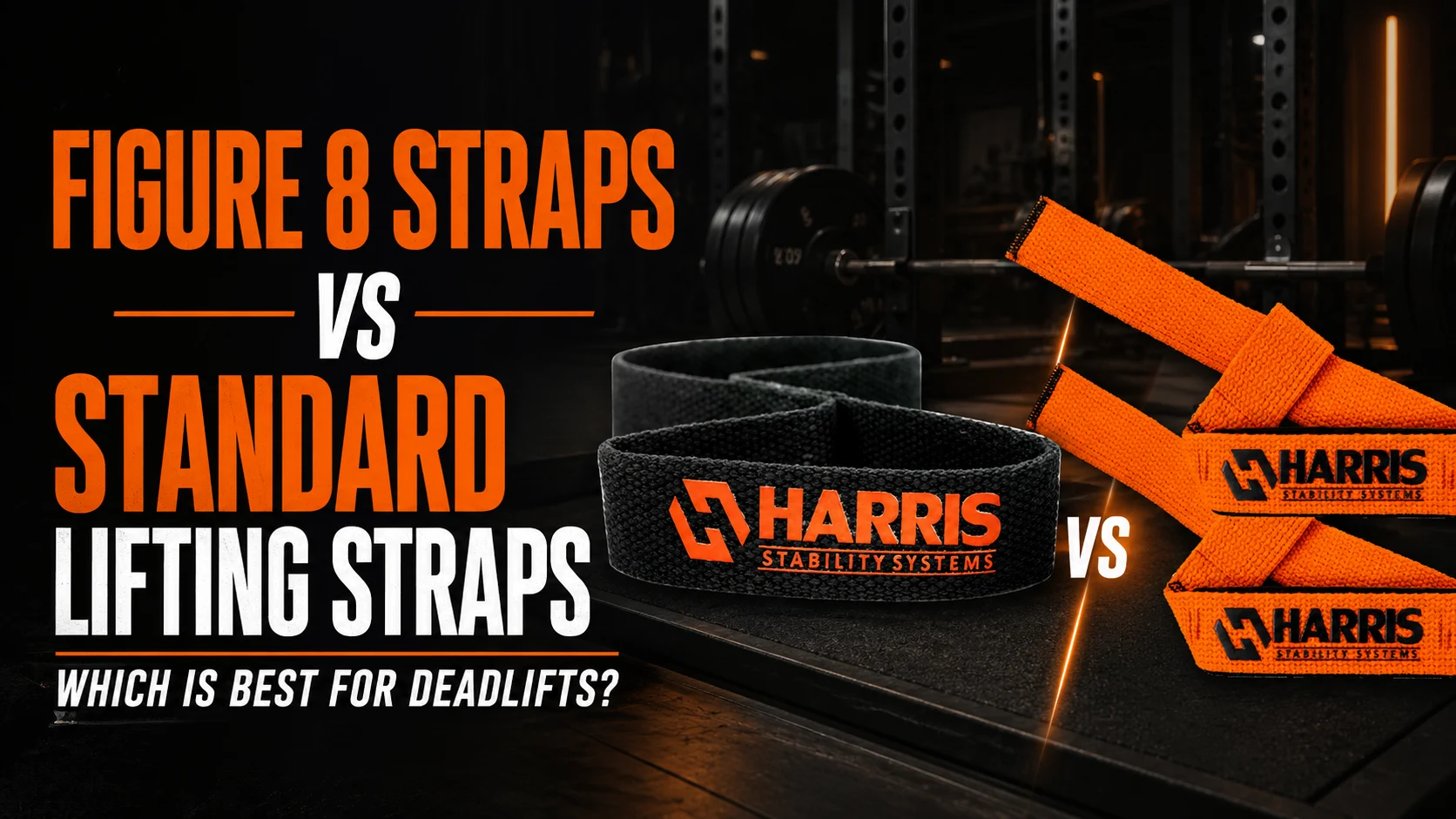
Standard Straps or Figure 8 Straps?
There are two common styles.
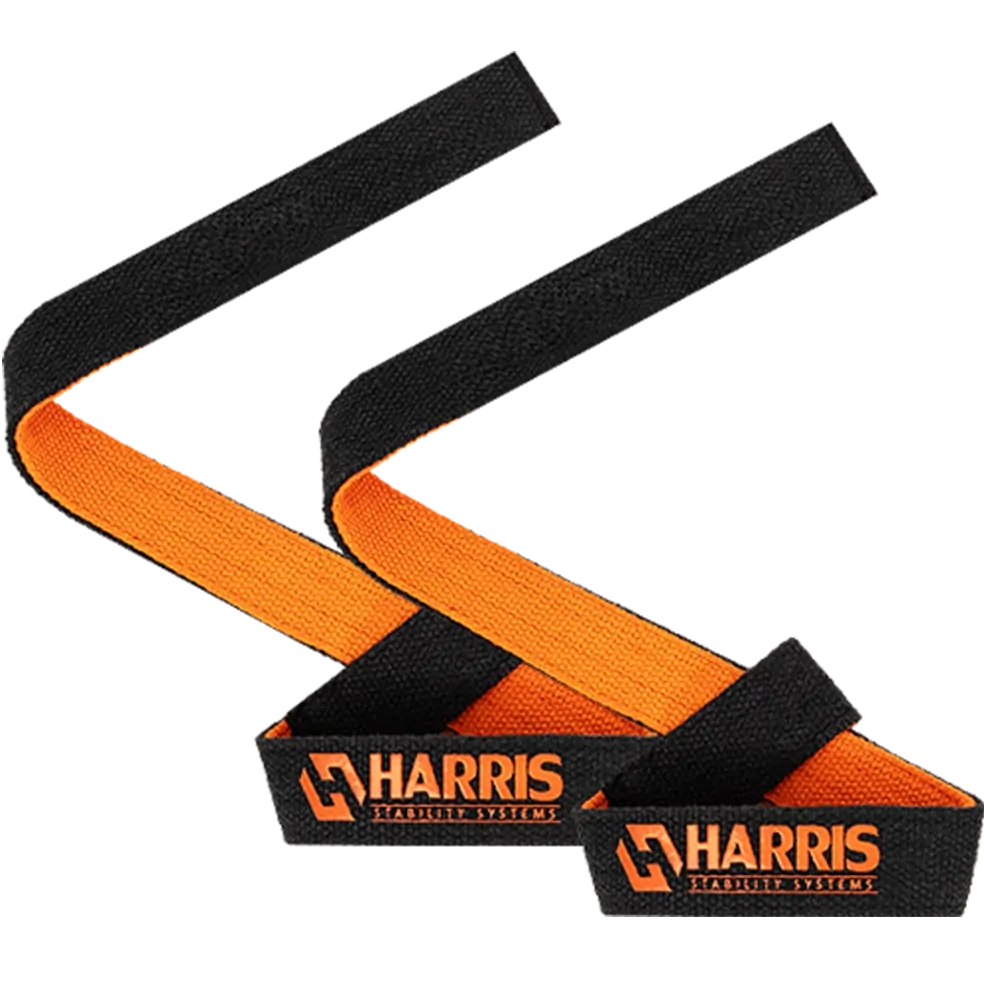
Standard Lifting Straps
Suitable for:
• General gym training
• Deadlifts
• Rows
• Pulldowns
• Shrugs
They are the most versatile option.
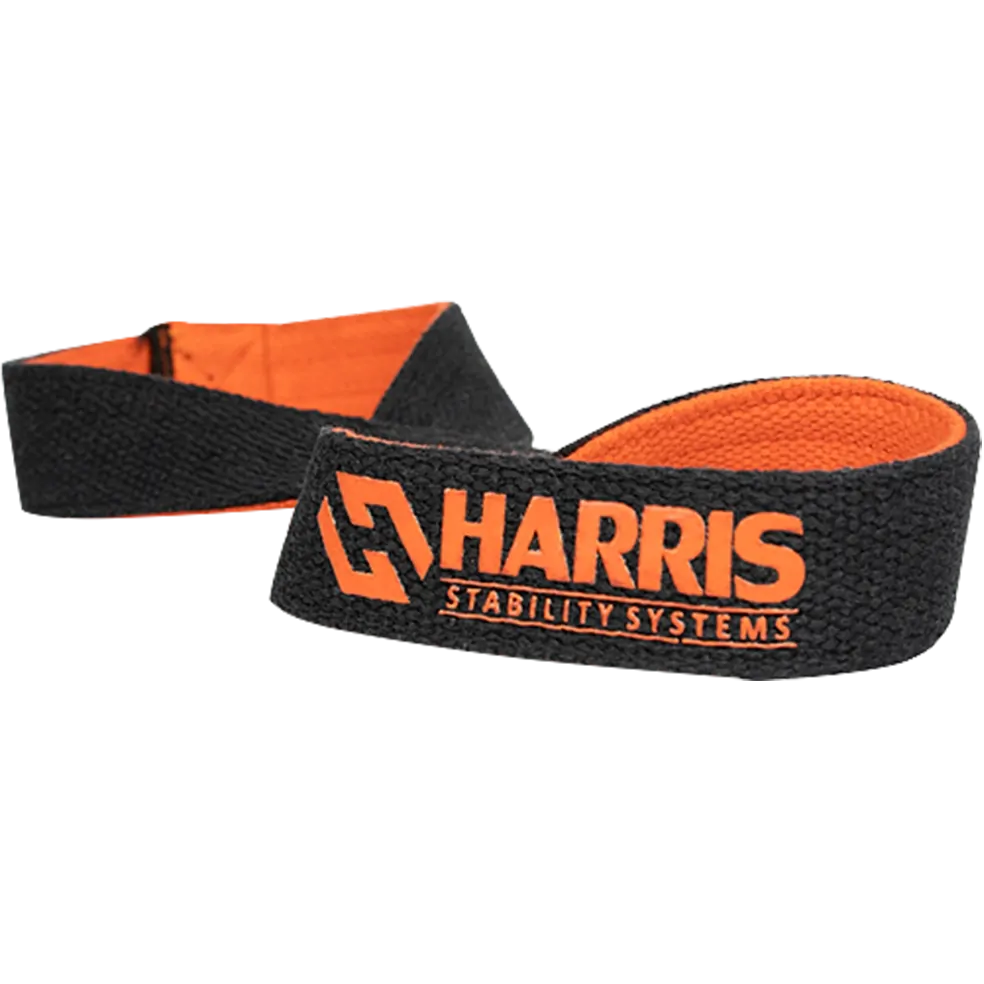
Figure 8 Straps
Often chosen for:
• Strongman
• Heavy deadlifts
• Axle deadlifts
• Deadlift for repetitions
They provide a more fixed connection to the bar than standard straps.
Common Buying Mistakes
Many first-time buyers accidentally purchase the wrong product.
The most common mistakes include:
• Buying wrist wraps when grip assistance is needed
• Assuming all straps perform the same job
• Choosing figure 8 straps for general gym training without understanding their specialised design
• Buying the most specialised product instead of the one that suits your training
Choosing equipment based on the exercises you perform is usually more helpful than choosing based on the product name.
Harris Lifting Strap Options
The Harris lifting strap range includes several options depending on your training.
For general gym training, the 2 Ply Heavy Duty Lifting Straps – 70cm provide a versatile standard lifting strap suitable for rows, deadlifts and assistance work.
For heavy strongman deadlifts and axle events, the Figure 8 Lifting Straps and 2 Ply Figure 8 Heavy Duty Straps provide figure 8 options designed for that style of pulling.
Frequently Asked Questions
Are wrist straps and lifting straps the same thing?
Many people use the terms interchangeably, but lifting straps and wrist wraps are different products.
What are wrist straps used for in the gym?
Most people searching for "wrist straps" are referring to lifting straps used for deadlifts and pulling exercises.
Do lifting straps support the wrist?
No. Their primary purpose is to help maintain your grip on the bar.
Should I buy lifting straps or wrist wraps?
If grip is limiting your pulling exercises, lifting straps are usually the appropriate choice.
If you want support around the wrist during pressing movements, wrist wraps are the better option.
Are figure 8 straps better than standard straps?
Not necessarily. Standard straps are more versatile, while figure 8 straps are more specialised for heavy pulling and strongman.
Final Thoughts
The phrase "wrist straps" is commonly used to describe lifting straps, even though wrist wraps are a separate product.
If your goal is deadlifts, rows, shrugs or other pulling exercises, you're probably looking for lifting straps.
If your goal is bench press or overhead pressing, wrist wraps are likely to be the more suitable option.
Understanding the difference makes it much easier to choose the right equipment for your training.