Weak Grip on Deadlifts? | Signs Grip Is Limiting Your Pulls
Author: Harris Stability Systems Last Updated: 13 September 2026

.webp)
Signs Your Grip Is the Real Limit, Not Your Pulling Strength
Is Your Grip Ending the Set Before Your Back Does?
During deadlifts, rows and other pulling exercises, it is common for the hands and forearms to fatigue before the larger muscles involved in the movement.
That does not always mean your pulling strength is weak.
In some sessions, your back, hips or hamstrings may still be capable of completing more work, but your grip can no longer hold the bar securely enough to continue.
Learning to recognise the difference helps you decide whether you need:
• Better grip technique.
• More direct grip training.
• A change in exercise selection.
• Lifting straps for selected working sets.
The aim is not to avoid grip training. It is to stop grip fatigue from limiting every pulling exercise in your program.
What Does Grip-Limited Mean?
A set is grip-limited when your hands lose their ability to hold the bar before the primary muscles have reached the intended level of fatigue.
For example, during a barbell row, your lats and upper back may still feel capable of completing several repetitions, but your fingers begin opening and the bar starts slipping.
During a deadlift, the bar may begin rolling from your hands even though your hips and back still feel strong enough to complete the lift.
That is different from a set ending because your entire pulling system has reached its limit.
Sign 1: The Bar Starts Opening Your Hands
One of the clearest signs of grip limitation is feeling your fingers gradually open during the set.
You may notice:
• The bar moving towards your fingertips.
• Your grip changing during the repetition.
• One hand beginning to slip before the other.
• The bar becoming difficult to control near lockout.
• A completed rep feeling strong apart from the hold.
If the lift moves well but the bar is leaving your hands, grip is likely playing a major role.
Sign 2: Your Forearms Fail Before the Target Muscles
During rows, pulldowns and pull-ups, the goal is often to train the back.
If your forearms become intensely fatigued while your lats and upper back still feel relatively fresh, grip may be reducing the quality of the set.
This can show up as:
• Ending the set because your hands hurt or weaken.
• Losing your grip before reaching the intended repetition range.
• Reducing the load despite the back muscles feeling capable.
• Selecting easier exercises because holding the weight is difficult.
• Struggling to feel the target muscles because all your attention is on the grip.
This is particularly common during high-volume bodybuilding sessions.
Sign 3: Your Pulling Performance Improves Dramatically With Straps
A simple comparison can help identify the limiting factor.
Perform one controlled working set without straps and another comparable set with straps.
If using straps allows you to:
• Complete substantially more repetitions.
• Maintain better control of the load.
• Train the target muscles harder.
• Avoid the bar slipping.
• Finish the planned volume without reducing weight.
Then grip was probably limiting at least part of the unaided set.
This does not mean straps should be used for every set. It simply shows that the hands were restricting the exercise more than the larger pulling muscles.
Sign 4: Grip Fatigue Changes the Rest of Your Session
Grip fatigue can affect more than one exercise.
For example, heavy deadlifts early in a session may leave your hands too fatigued for:
• Barbell rows.
• Dumbbell rows.
• Romanian deadlifts.
• Shrugs.
• Pull-ups.
• Cable pulling exercises.
If your later exercises are consistently limited by tired hands rather than the intended muscles, selective strap use may help preserve the quality of the session.
Sign 5: You Avoid Productive Exercises Because They Are Hard to Hold
Grip can become a programming problem when it begins dictating which exercises you choose.
You may avoid:
• Heavy rows.
• High-repetition Romanian deadlifts.
• Dumbbell pulling movements.
• Rack pulls.
• Shrugs.
• Long sets of pulldowns.
Avoiding exercises solely because of the hold can reduce the training options available for your back and posterior chain.
In that situation, straps can allow the target muscles to receive the intended work while grip is trained separately.
Sign 6: Your Grip Fails at Similar Loads Across Different Exercises
Grip limitations often appear across multiple movements.
For example, you may struggle to hold:
The same dumbbells during rows and Romanian deadlifts.
• A similar bar weight during shrugs and rack pulls.
• High-repetition pulling sets regardless of the target muscle.
A repeated pattern across exercises can indicate that the hands and forearms are the common limiting factor.
Sign 7: Chalk Helps, but Does Not Fully Solve the Problem
Lifting chalk improves friction between the hands and the bar.
It can be useful when the problem is caused by:
• Sweaty hands.
• A smooth bar.
• Humid training conditions.
• Grip slipping despite adequate hand strength.
However, chalk does not create additional grip strength.
If chalk improves the hold but your fingers still fatigue before the rest of the body, the issue may be muscular grip endurance rather than friction alone.
Grip Limitation vs Pulling-Strength Limitation
|
What happens during the set? |
Likely limiting factor |
|---|---|
|
The bar slips while the rep still moves strongly |
Grip |
|
Fingers gradually open during the set |
Grip |
|
Forearms fail before the back feels worked |
Grip |
|
The bar remains secure but the torso cannot complete the movement |
Pulling strength |
|
Technique breaks down across the entire body |
Load or overall fatigue |
|
Straps provide little improvement |
Pulling strength may be the main limit |
|
Chalk solves the problem |
Friction was likely a major factor |
More than one factor can be involved. A lifter may have both limited grip and insufficient pulling strength.
When Lifting Straps Make Sense
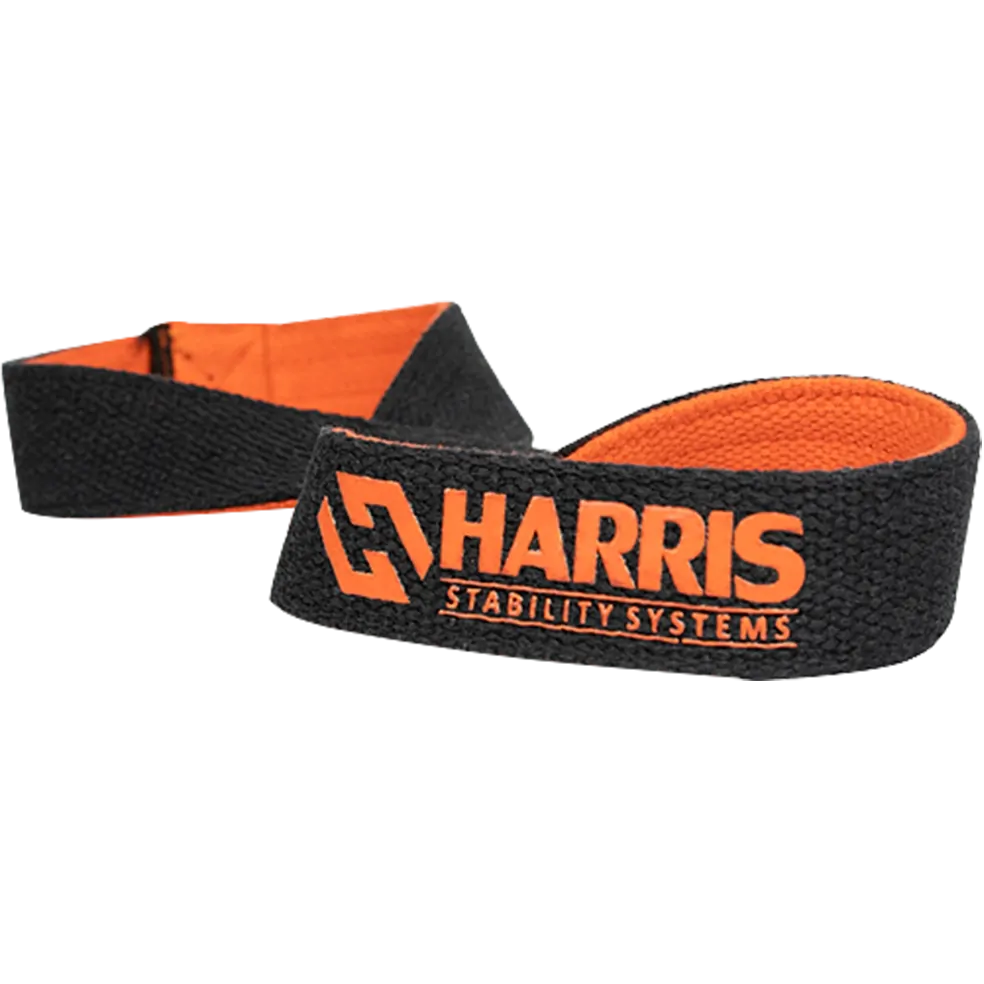
Lifting straps can be useful when the goal of the exercise is to train a larger muscle group and the hands are ending the set too early.
They are commonly used for:
• High-volume rowing.
• Romanian deadlifts.
• Shrugs.
• Pulldowns.
• Dumbbell rows.
• Rack pulls.
• Heavy deadlift variations.
• Bodybuilding pulling sessions.
Straps are especially useful when you want to accumulate back or posterior-chain volume without every exercise becoming a grip test.
When You May Not Need Straps
Straps are not necessary for every pulling movement or every lifter.
You may not need them when:
• The load is easy to hold.
• Grip development is the primary goal.
• You are practising a competition deadlift grip.
• The target muscles and grip fatigue at a similar rate.
• Improving hand position or chalk use solves the problem.
• You are still learning basic bar control.
A useful approach is to perform warm-up sets and some working sets without straps, then use them when grip begins interfering with the main purpose of the exercise.
Do Straps Make Your Grip Weaker?
Straps do not automatically weaken grip.
Grip development depends on how the rest of the program is structured.
A lifter can use straps for selected heavy or high-volume work while still training grip through:
• Strapless warm-up sets.
• Competition-style deadlifts.
• Farmer’s carries.
• Bar hangs.
• Static holds.
• Pinch-grip work.
• Thick-handle exercises.
• Dedicated forearm training.
The problem is not using straps. The problem is removing all direct and indirect grip training without replacing it.=
Check Your Grip Technique First
Before buying straps, make sure the issue is not caused by an inefficient grip.
Place the Bar Correctly
For many pulling exercises, the bar should sit closer to the base of the fingers rather than deep in the palm.
Holding it too high in the palm can allow the bar to roll and pull the skin towards the fingers.
Wrap the Thumb Securely
A closed grip with the thumb wrapped around the bar is generally more secure than leaving the thumb on the same side as the fingers.
Keep the Wrist Controlled
Excessive wrist extension can make the hold less efficient.
Aim for a stable wrist position appropriate to the movement.
Use Chalk When Permitted
Chalk may solve a slipping problem without needing straps, particularly when sweat or a smooth bar is the main issue.
Different Strap Options
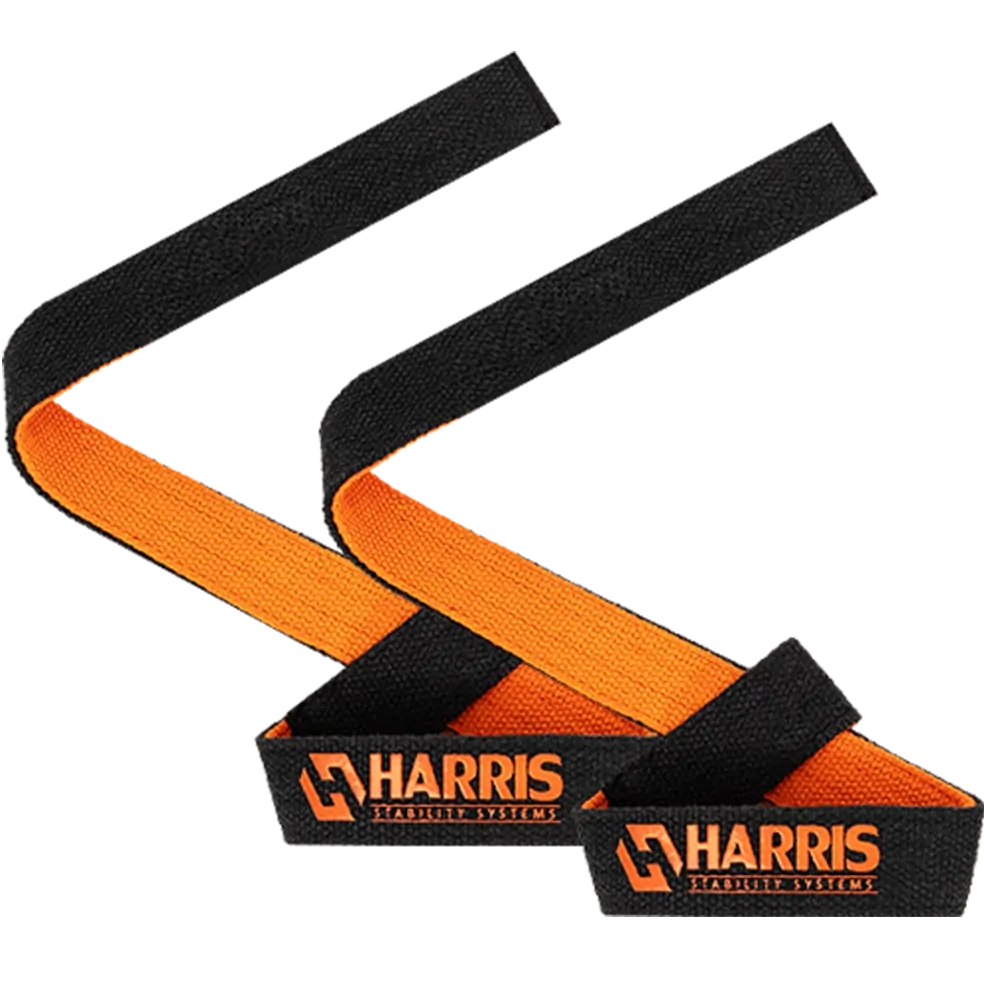
Standard loop straps are versatile and suitable for many gym exercises.
They are commonly used for:
• Rows.
• Romanian deadlifts.
• Pulldowns.
• Shrugs.
• General bodybuilding work.
Figure 8 straps create a more secure connection to the bar.
They are commonly associated with:
• Strongman training.
• Heavy deadlift variations.
• Rack pulls.
• Situations where maximum bar security is preferred.
They can be less convenient for exercises requiring quick release or frequent adjustment.
The right option depends on your training style and how secure you want the connection to feel.
A Practical Way to Use Straps Without Becoming Over-Reliant
A balanced approach may look like this:
1. Complete warm-up sets without straps.
2. Perform important grip-specific work unaided.
3. Add straps when grip begins limiting the target muscles.
4. Continue direct grip training elsewhere in the week.
5. Reassess whether straps are still needed for the same loads over time.
This allows straps to solve a specific programming problem rather than becoming an automatic habit.
Common Mistakes
Calling Every Difficult Set a Grip Problem
A set may fail because of poor positioning, insufficient back strength, fatigue or excessive load.
The bar slipping is not always the only issue.
Using Straps Before Learning to Grip the Bar
Straps should not replace basic hand placement, wrist control or chalk use.
Never Training Without Straps
Some strapless work should usually remain in the program unless there is a specific reason to avoid it.
Using the Wrong Strap for the Exercise
A highly secure figure 8 strap may be unnecessary for light rows, while a basic loop strap may not provide the hold preferred for very heavy strongman pulling.
Ignoring Damaged Straps
Inspect the webbing, stitching and loops regularly. Replace straps showing significant wear.
Frequently Asked Questions
How do I know whether my grip is weak?
Grip may be limiting you if the bar slips or your fingers open while the rest of the lift still feels strong.
Should I use straps for deadlifts?
That depends on the purpose of the session. Straps can be useful for volume and overload work, but competitive powerlifters should also practise the grip required in competition.
Should I use chalk before straps?
Chalk is a sensible first step when sweat or friction is the main issue. Straps may be more useful when muscular grip fatigue remains the limitation.
Can beginners use lifting straps?
Yes, but beginners should still learn proper grip technique and continue developing grip strength.
Are straps useful for rows?
Yes. They can help keep forearm fatigue from ending the set before the back has received the intended work.
Should I use straps on every pulling exercise?
Usually not. Use them selectively according to the goal of the exercise and the needs of your program.
Final Thoughts
Grip is likely the real limitation when your hands open, the bar slips or your forearms fail while your back and hips still feel capable of more work.
In those situations, lifting straps can help you continue training the intended muscles without allowing grip fatigue to control the entire session.
However, straps are not a replacement for grip training.
The most effective approach is usually to:
Improve grip technique.
• Use chalk when appropriate.
• Keep some strapless pulling in the program.
• Train grip directly.
• Use straps when the target muscles need more work than the hands can currently support.
That keeps the tool useful without losing sight of the underlying weakness.