Liquid Chalk

For plenty of Australian lifters, the right choice is not the stiffest option on the shelf. It is the one that fits the way they actually train. Liquid chalk is the easy answer when you want drier hands and stronger connection to the bar without covering the platform, your clothes, and your whole gym bag in loose powder. For many lifters it sits in the sweet spot between clean training habits and reliable grip, especially in commercial gyms, warm weather, and busy sessions where convenience matters.
If you are buying in Australia, it is worth choosing for real training feel rather than for the most aggressive spec on the screen. The right liquid chalk should help you move into position cleanly, brace with intent, and stay confident once the session turns serious.
Why liquid chalk has become a gym-bag staple
Liquid Chalk matter because they change how the lift feels under load, not just how it looks on the rack. For many lifters, the biggest upside is better dryness and bar connection without loose powder everywhere, fast application when you do not want to re-chalk every few minutes, and portable options that fit in a gym bag without fuss. When the support level matches the movement, bracing feels more natural and the session becomes easier to repeat with intent.
That usually leads to cleaner setup, better patience under the bar, and less fiddling between sets. Cleaner hands, equipment, and clothing compared with traditional loose chalk is often the difference between gear that stays in rotation and gear that ends up forgotten in the bottom of the bag.
That is why the best option is rarely the one with the loudest reputation. It is the one that fits your body, your preferred setup, and the way your training week is actually built. That is how the gear starts helping the right lift instead of becoming another distraction.
Who usually gets the most value from it
The lifters who usually get the most from liquid chalk are commercial-gym members dealing with messy or chalk-restricted spaces, powerlifters and strength athletes who want quick grip support for deadlifts and accessory work, and pull-up and calisthenics athletes who need cleaner hands on bars and rings, along with lifters who travel, train outdoors, or want something compact in the gym bag. They all want slightly different things, but the shared goal is simple: support that helps performance without making the rest of the session harder than it needs to be.
For some people that means easier all-session comfort. For others it means a more aggressive feeling right at the point where the set gets demanding. The best choice depends on what usually limits you first: discomfort, uncertainty, lack of warmth, not enough support, or too much rigidity.
If that sounds like your training, focus on how the product will feel after multiple work sets, not just how it sounds in a product title. A smart choice should still make sense on week-to-week training days, not only on your absolute heaviest single. Lifting Straps
How the Harris liquid-chalk options fit different sessions
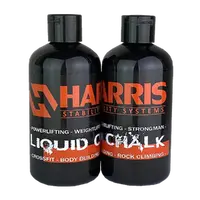
The Harris liquid-chalk options already cover both regular use and compact carry. The main Harris Liquid Chalk bottle suits lifters who use chalk often and want a dependable full-size option on hand.
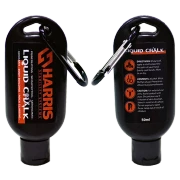
The 50ml version is ideal when space is tight, when you move between gyms, or when you want something small enough to clip or stash without thinking about it.
If you sometimes prefer classic chalk texture, the broader Lifting Chalk range still gives you access to chalk blocks and chalk crush as well.
That spread matters because it lets you choose more precisely. Instead of forcing one setup to cover every kind of session, you can match the product to the main demand of the block.
Choosing the right chalk format for your gym and hands
The cleanest way to narrow the right option is to judge it against the things that actually affect training feel: whether your gym is fine with loose chalk or prefers cleaner options, how often you need to reapply during a session, and whether portability matters for travel or packed gym bags. After that, look at whether you prefer a drier, quicker feel or a more traditional chalk texture and how often your hands get sweaty during pulling work, pull-ups, or high-rep sessions. Liquid Chalk vs Block Chalk: Clean Grip, Drying Time, and Gym Rules Compared
When those points line up, support gear becomes simple. You stop fighting the equipment and start using it as part of a repeatable setup. That matters far more than copying someone else’s choice when their body, sport, and training phase are different from yours.
- Prioritise Whether your gym is fine with loose chalk or prefers cleaner options
- Prioritise How often you need to reapply during a session
- Prioritise Whether portability matters for travel or packed gym bags
- Prioritise Whether you prefer a drier, quicker feel or a more traditional chalk texture
- Prioritise How often your hands get sweaty during pulling work, pull-ups, or high-rep sessions
A good buying decision should feel obvious once you picture the exact sessions you want the gear for. If you have to invent a use case to justify it, it is probably the wrong pick.
Where liquid chalk works best across real training
In real training, these products earn their place on deadlifts and Romanian deadlifts, pull-ups, chin-ups, and hanging work, and rows, carries, and barbell pulling. They are most useful when they remove friction from the setup and let you stay focused on the lift itself. How to Use Liquid Chalk for Deadlifts, Pull-Ups, and Barbell Work
They can also make a clear difference on commercial-gym sessions where loose chalk is messy or discouraged, where a small boost in comfort, warmth, grip, or support can keep quality higher deep into the session. That is often where long-term value shows up: not in one heroic set, but in how reliable the gear feels across a full training week.
That is also why many experienced lifters rotate support gear by day. The setup that feels brilliant for top-end work is not always the same setup they want for commercial-gym sessions where loose chalk is messy or discouraged. Matching the tool to the session usually keeps performance more consistent across the whole block. Smelling Salts
Why clean grip matters more than most lifters think
One reason Harris continues to resonate with strength athletes is that the range is broad enough to give people real choices instead of one catch-all answer. That shows up in existing Harris chalk range already spans liquid, block, and crush formats and liquid chalk product descriptions emphasise cleaner use, reduced transfer, and compact portability, plus natural crossover into related grip products such as lifting chalk, straps, and other accessories.
For shoppers, that matters because it makes it easier to stay within one ecosystem while still choosing the exact level of support, structure, or grip assistance that suits the next stage of training. It is a practical advantage, not just a catalogue advantage. Harris Liquid Chalk | Long-Lasting Grip for Gym and Sports
When a brand covers adjacent products well, you can build a more coherent kit bag over time. That makes it easier to move from one phase to the next without starting the search from scratch every time.
Useful reads for grip support and chalk choice
A little extra context can save an expensive wrong turn. If you want to compare formats, understand how different materials behave, or see where related gear fits into the same kit bag, the most useful next step is to read into the supporting guides and comparisons linked below. Harris Liquid Chalk 50Ml
That extra reading is especially worthwhile if you are choosing between two close options, moving into a heavier training phase, or buying this type of gear for the first time.
Liquid chalk questions answered clearly
Is liquid chalk as strong as block chalk?
That depends on the movement, the environment, and what feel you prefer. Many lifters find liquid chalk more than enough for barbell and gym work, while others still like traditional chalk for the driest possible texture.
How do I use liquid chalk properly?
Use a small amount, spread it evenly across the palms and fingers, and give it a moment to dry before touching the bar. Using too much usually makes it feel messier, not better.
Is liquid chalk better for commercial gyms?
Often, yes. It is usually cleaner, easier to carry, and less likely to leave powder on equipment, clothing, or the floor.
What is the difference between the full-size and 50ml options?
The larger bottle makes sense if you use chalk regularly. The 50ml option is better when you want a compact bottle for a gym bag, travel, or quick top-ups.
Can I still use regular chalk if I buy liquid chalk?
Yes. Plenty of lifters keep both. Liquid chalk is excellent when cleanliness and convenience matter most, while block or crush chalk can still be useful when you want a more traditional feel.
Choose the chalk format that fits your gym
Get the chalk format that fits your gym, your hands, and your training style so you spend less time fighting sweat and more time gripping properly.
A better fit now usually means better consistency later, and that is what turns support gear from a one-off purchase into something you rely on week after week.