Liquid Chalk vs Block Chalk | Best Lifting Chalk Guide
Author: Harris Stability Systems Last Updated: 4 July 2026

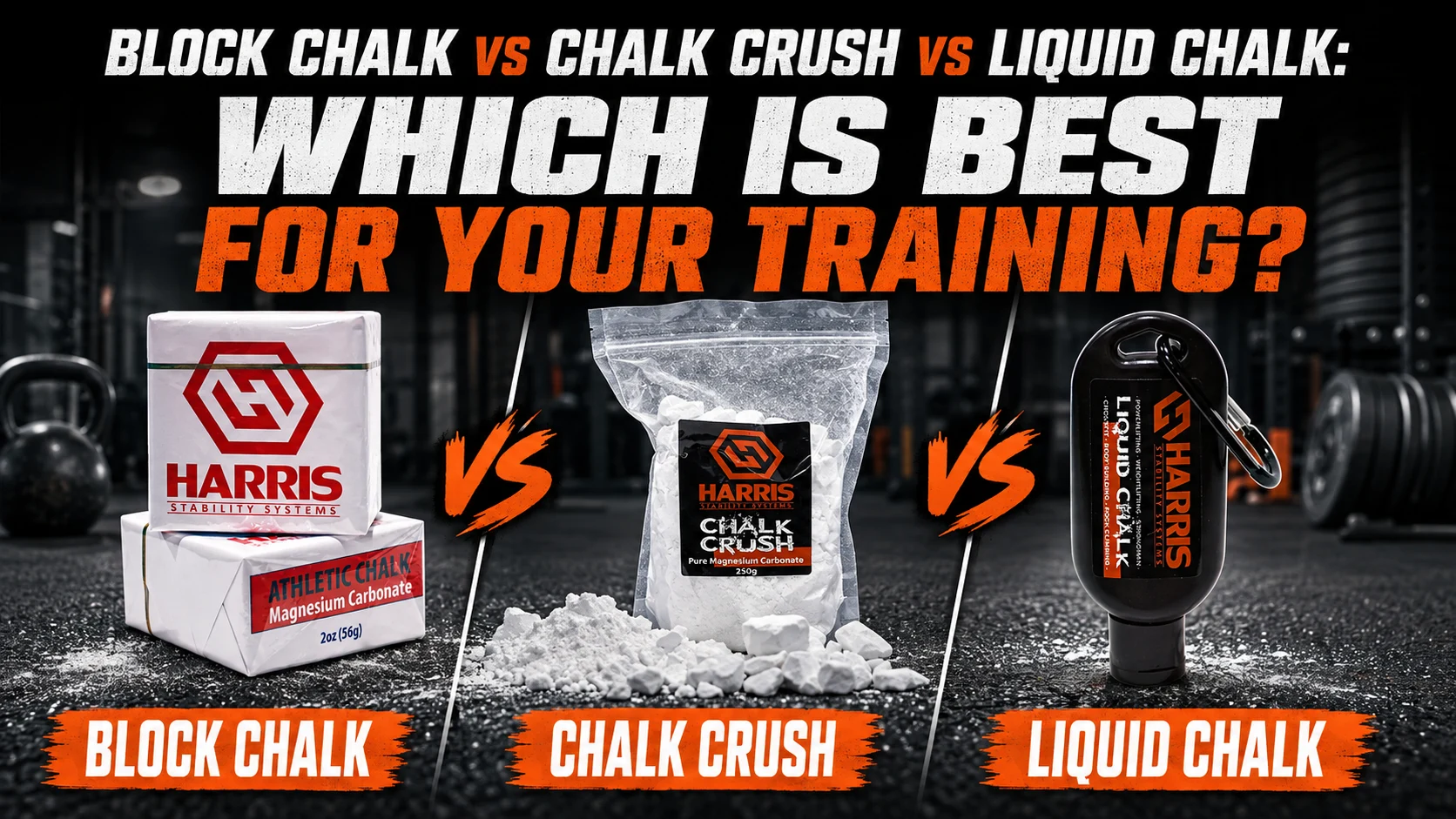
Liquid Chalk vs Block Chalk: Which Is Best for Your Training?
Understanding the Difference Between Liquid Chalk and Block Chalk
Lifting chalk is one of the simplest ways to improve your grip during strength training, but choosing the right type depends on where you train and how you like to prepare for your lifts.
The two most common options are liquid chalk and block chalk. Both are designed to reduce moisture on your hands and improve grip, but they differ in application, cleanliness and convenience.
This guide compares the two to help you choose the option that best suits your training environment and lifting style.
What Is Block Chalk?
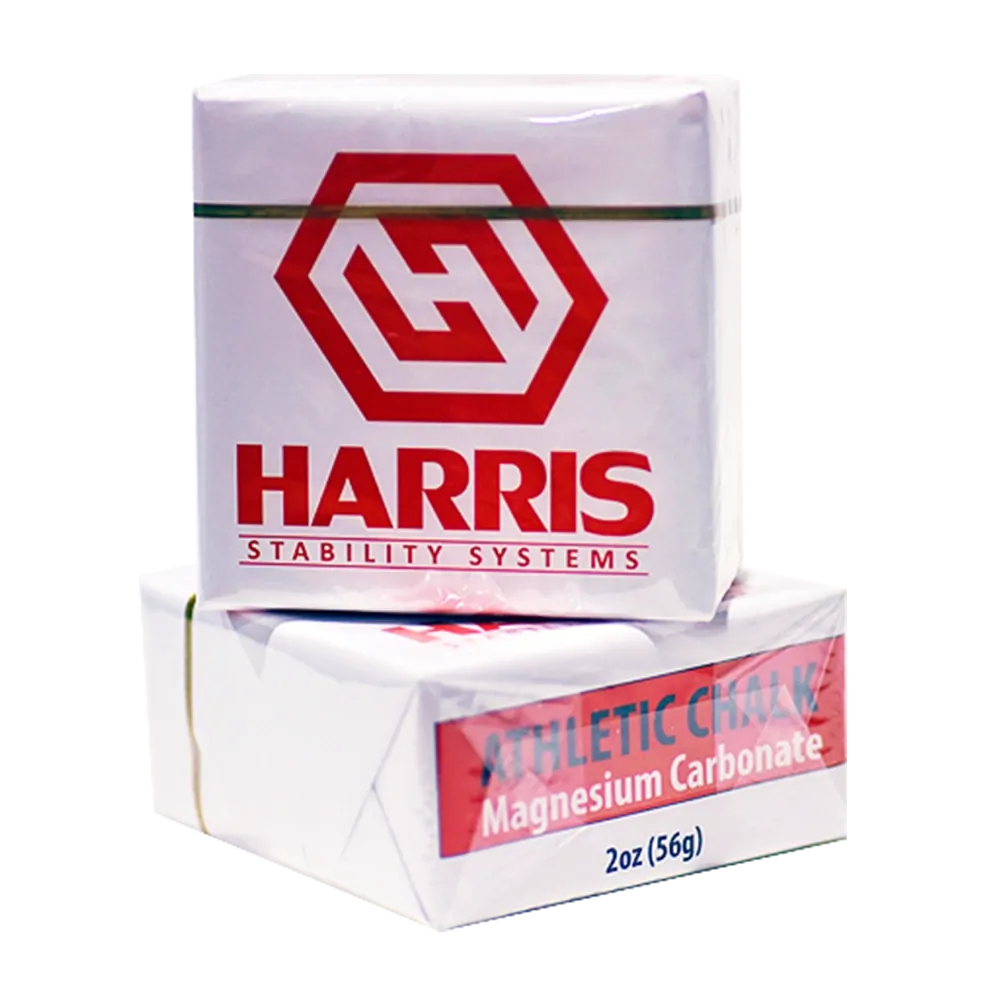
Block chalk is the traditional form of lifting chalk used in powerlifting, weightlifting and strongman.
It comes as a solid block that is rubbed onto the hands before lifting.
Benefits of Block Chalk
• Excellent grip for heavy lifting.
• Easy to apply.
• Cost-effective.
• Popular in dedicated strength gyms.
Considerations
Because block chalk creates loose chalk dust, some commercial gyms do not allow it.
What Is Liquid Chalk?
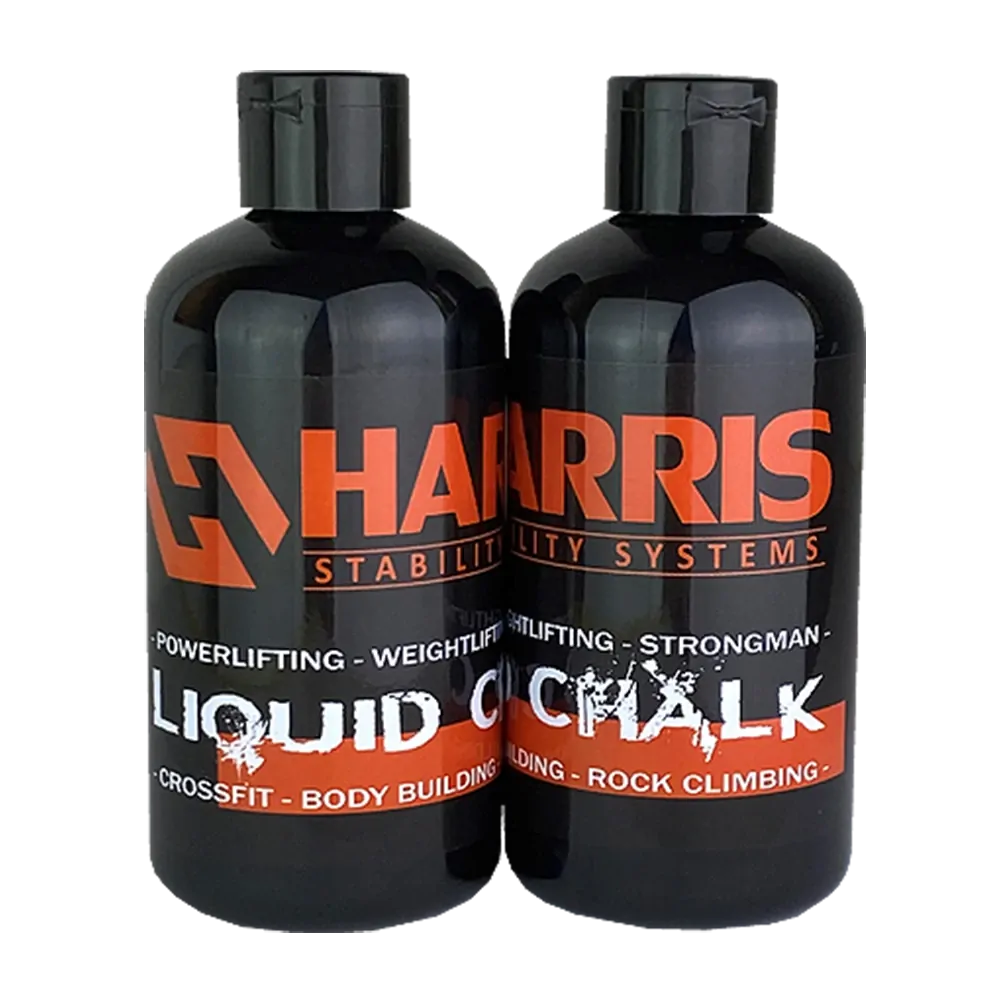
Liquid chalk combines magnesium carbonate with an alcohol-based solution.
After applying a small amount to your hands, the alcohol evaporates, leaving a dry layer of chalk behind.
Benefits of Liquid Chalk
• Minimal mess.
• Fast drying.
• Easy to carry.
• Often accepted in commercial gyms.
Considerations
Some athletes prefer the feel of traditional block chalk, particularly during heavy lifting sessions.
Liquid Chalk vs Block Chalk
|
Feature |
||
|---|---|---|
|
Grip |
Excellent |
Excellent |
|
Drying Time |
Dries within seconds |
Ready immediately |
|
Mess |
Very low |
Higher |
|
Portability |
Excellent |
Good |
|
Commercial Gym Friendly |
Usually |
Not always |
|
Home Gym Use |
Excellent |
Excellent |
Both provide reliable grip. The biggest differences come down to convenience and training environment.
Which Should You Choose?
Choose Liquid Chalk If You:
• Train in a commercial gym.
• Prefer a cleaner training environment.
• Travel regularly with your gym equipment.
• Want minimal chalk dust.
• Need quick and convenient application.
Liquid chalk is a practical option for athletes who value portability and cleanliness.
Choose Block Chalk If You:
• Train in a home or strength gym.
• Prefer the traditional feel of chalk.
• Regularly perform heavy barbell lifts.
• Don't mind a little chalk dust.
• Want a simple, cost-effective grip aid.
Many experienced lifters continue to choose block chalk because of its familiar feel and straightforward application.
Can You Use Both?
Absolutely.
Many athletes keep both types available.
For example:
• Liquid chalk for commercial gyms and travel.
• Block chalk for home gym sessions or competitions where loose chalk is permitted.
Having both options allows you to adapt to different training environments without sacrificing grip.
Frequently Asked Questions
Does liquid chalk work as well as block chalk?
Both are designed to reduce moisture and improve grip. The best choice depends on your training environment and personal preference.
Is block chalk allowed in commercial gyms?
Policies vary. Many commercial gyms restrict loose chalk because of the dust it creates, while liquid chalk is often permitted.
Which chalk lasts longer during a workout?
This can vary depending on the exercise, the individual and how much you sweat. Some athletes prefer to reapply either format throughout longer sessions as needed.
Can beginners use lifting chalk?
Yes. Lifting chalk is suitable for anyone who wants improved grip during strength training.
Should I use chalk with lifting straps?
Many athletes use both. Chalk helps reduce moisture on the hands, while lifting straps assist with grip during heavy pulling movements.
Why Choose Harris?
Harris Stability Systems supplies lifting chalk trusted by Australian strength athletes.
Whether you prefer traditional block chalk or the convenience of liquid chalk, Harris offers quality grip solutions designed for serious training across powerlifting, weightlifting and general strength work.
Final Thoughts
Both liquid chalk and block chalk are effective tools for improving grip during strength training.
If you value convenience, portability and a cleaner gym experience, liquid chalk is an excellent choice.
If you prefer the traditional feel of chalk and train in an environment where loose chalk is allowed, block chalk remains a favourite among many strength athletes.
Choosing the right option comes down to your training environment, lifting style and personal preference.