How to Use Liquid Chalk | Deadlifts, Pull-Ups & Gym Training
Author: Harris Stability Systems Last Updated: 1 September 2026

How to Use Liquid Chalk for Deadlifts, Pull-Ups and Barbell Training
Get Better Grip Without the Mess of Loose Chalk
Whether you're deadlifting, performing pull-ups or working through a heavy strength session, maintaining a secure grip is essential.
That's why many strength athletes choose liquid chalk.
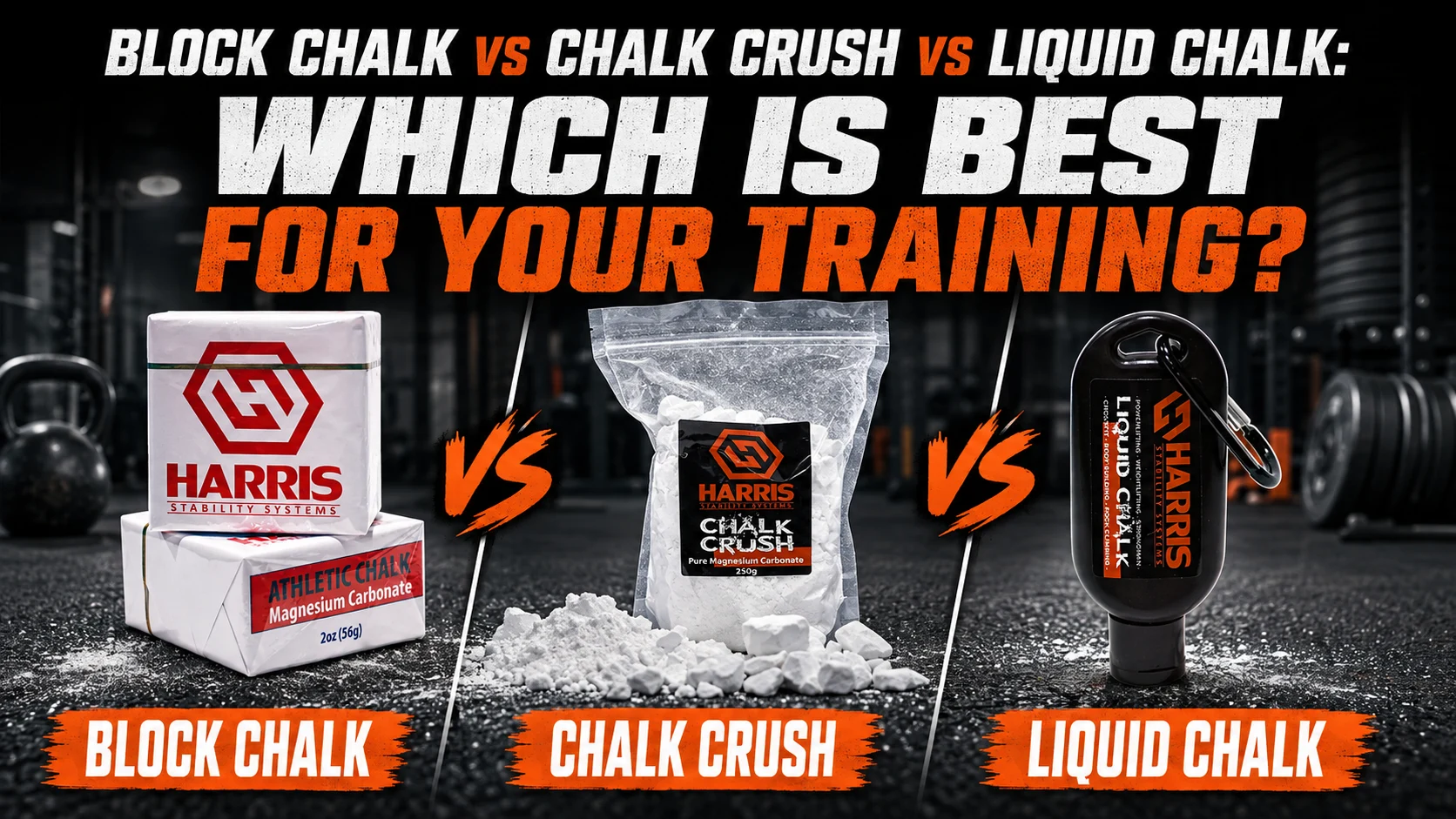
Unlike traditional block chalk, liquid chalk provides a dry, secure grip without leaving loose powder across gym floors, barbells or clothing. It's popular in commercial gyms, home gyms and competition warm-up areas where cleanliness matters.
This guide explains how to use liquid chalk correctly and when it can be most beneficial during training.
What Is Liquid Chalk?
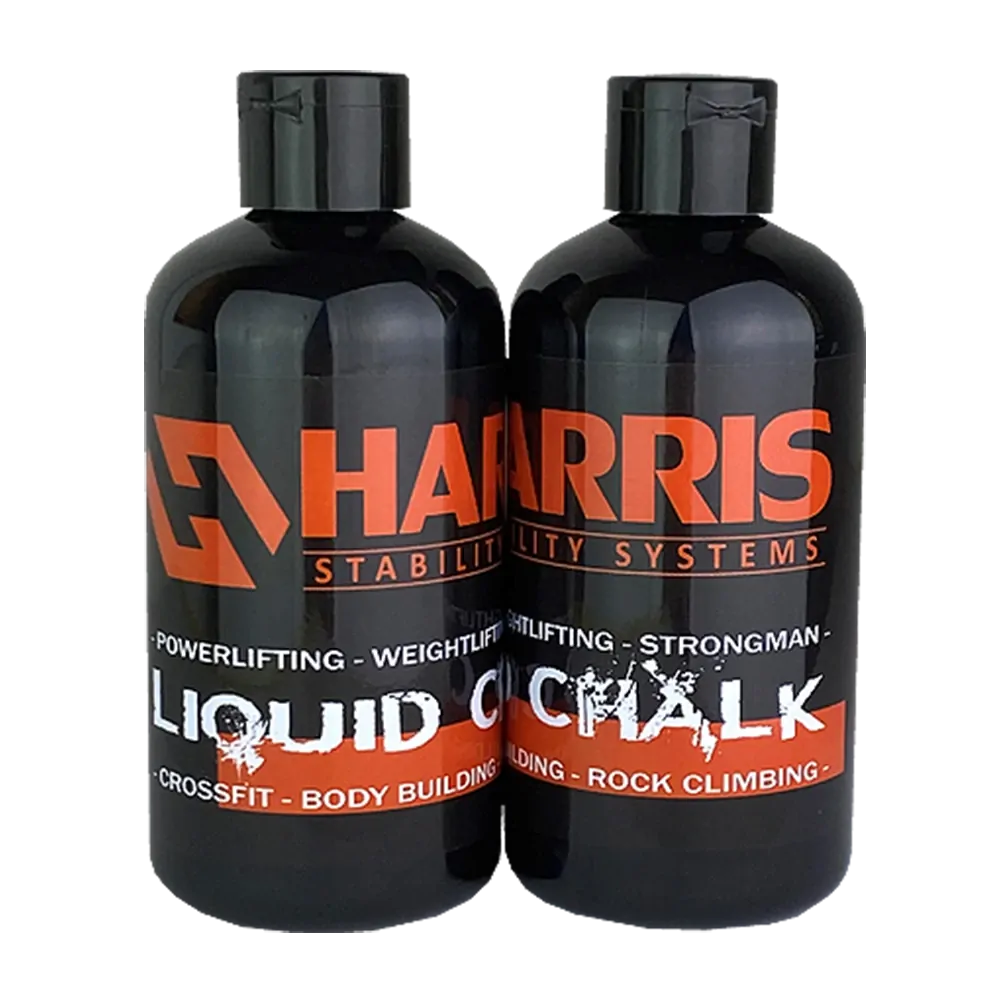
Liquid chalk is a suspension of magnesium carbonate in an alcohol-based solution.
When applied to your hands, the alcohol evaporates within seconds, leaving a thin layer of chalk that helps improve grip by reducing moisture.
Many athletes use liquid chalk for:
• Deadlifts.
• Pull-ups.
• Chin-ups.
• Olympic lifting.
• Strongman events.
• General barbell training.
• Gymnastics movements.
How to Apply Liquid Chalk
Using liquid chalk properly helps maximise its effectiveness.
Step 1: Start with Clean Hands
Remove excess moisture, dirt or old chalk before applying a fresh layer.
Clean hands allow the chalk to adhere more evenly.
Step 2: Apply a Small Amount
A small amount is usually enough.
Spread the liquid evenly across both palms and fingers.
There's rarely any benefit in using excessive amounts.
Step 3: Allow It to Dry
Wait a few seconds for the alcohol to evaporate completely.
Once dry, a thin chalk layer remains on your hands, ready for lifting.
Step 4: Begin Your Training
After the chalk has dried, you're ready to begin your set.
Reapply only when necessary throughout your workout.
When Liquid Chalk Works Best
Liquid chalk is particularly useful during exercises where grip plays an important role.
Deadlifts
Heavy deadlifts place significant demands on your grip.
Many lifters use liquid chalk to help keep their hands dry throughout working sets.
Pull-Ups and Chin-Ups
Repeated bodyweight movements can quickly create sweaty hands.
Liquid chalk helps reduce moisture, allowing for a more consistent grip during higher-volume training.
Olympic Lifting
Quick application and minimal mess make liquid chalk a popular choice during weightlifting sessions where multiple movements are performed.
General Strength Training
Rows, shrugs, carries and other pulling exercises can also benefit from improved grip throughout longer sessions.
Common Mistakes When Using Liquid Chalk
Liquid chalk is simple to use, but these mistakes are common:
• Applying too much product.
• Gripping the bar before it has dried.
• Reapplying after every set unnecessarily.
• Using it to compensate for poor grip technique.
• Forgetting to reseal the bottle after use.
Using the correct amount helps the product last longer while providing consistent performance.
Liquid Chalk vs Traditional Chalk
Both products improve grip, but they suit different environments.
|
Minimal mess |
Loose chalk dust |
|
Quick drying |
Immediate application |
|
Popular in commercial gyms |
Common in powerlifting gyms |
|
Easy to carry |
Can become messy in gym bags |
|
Leaves little residue |
More chalk transfer |
Many athletes keep both available depending on where they're training.
Frequently Asked Questions
How long should I wait before lifting?
Allow the liquid chalk to dry completely before touching the bar. This usually takes only a few seconds.
Do I need to reapply after every set?
Not necessarily. Reapply only when your grip begins to feel less secure or the chalk has worn away.
Can I use liquid chalk for pull-ups?
Yes. Liquid chalk is commonly used for pull-ups, chin-ups and other bodyweight exercises where grip is important.
Is liquid chalk suitable for commercial gyms?
Many commercial gyms prefer liquid chalk because it creates significantly less mess than loose chalk.
Can beginners use liquid chalk?
Absolutely. Any lifter who wants improved grip during training can use liquid chalk appropriately.
Why Choose Harris?
Harris Stability Systems has supported Australian strength athletes for decades.
Our Liquid Chalk is designed to provide:
• Reliable grip support.
• Fast drying application.
• Less mess than loose chalk.
• Convenient portability.
• Built for serious training.
Whether you're deadlifting, training at your local gym or preparing for competition, Harris Liquid Chalk is designed to help you train with confidence.
Final Thoughts
Liquid chalk is one of the simplest upgrades you can make to your training equipment.
Applied correctly, it helps keep your hands dry, reduces mess and provides reliable grip support across a wide variety of strength exercises.
Whether you're lifting heavy, performing pull-ups or training several times each week, using liquid chalk correctly allows you to focus on your lifts instead of your grip.