Product Reviews
Exactly what I wanted
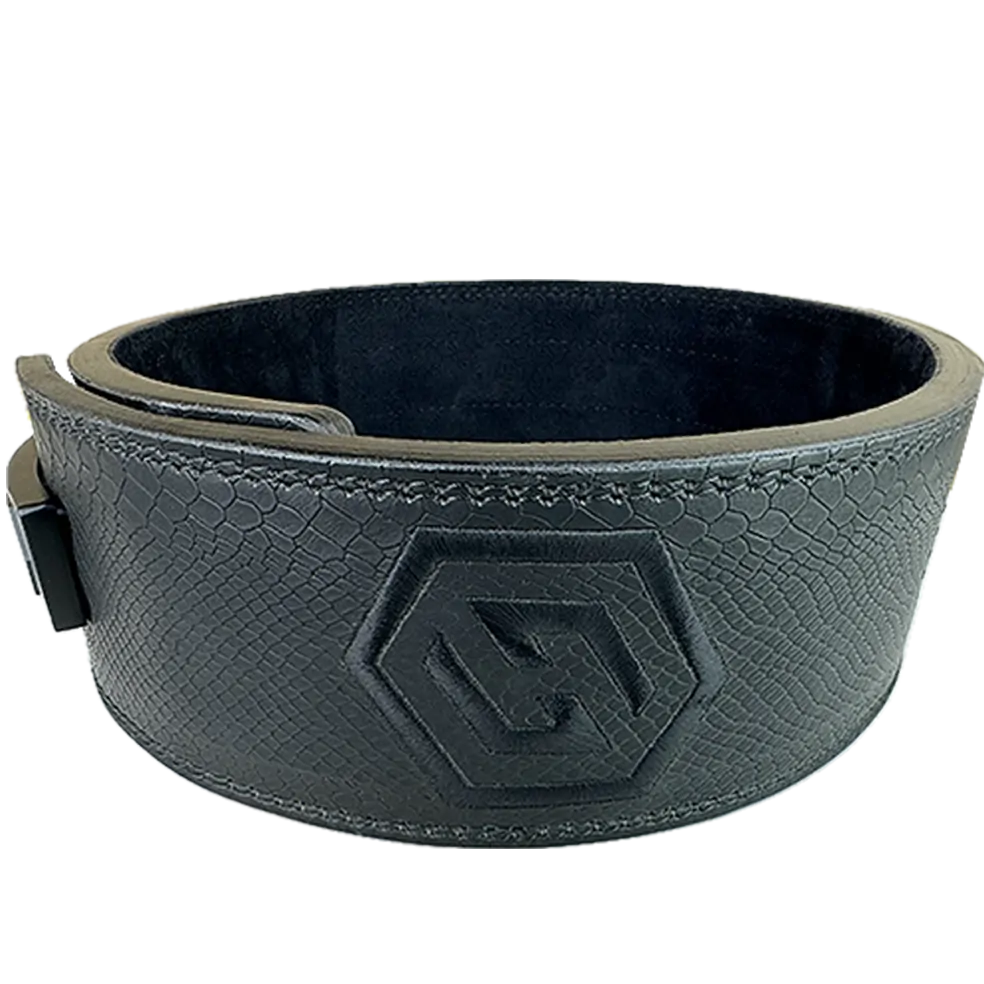
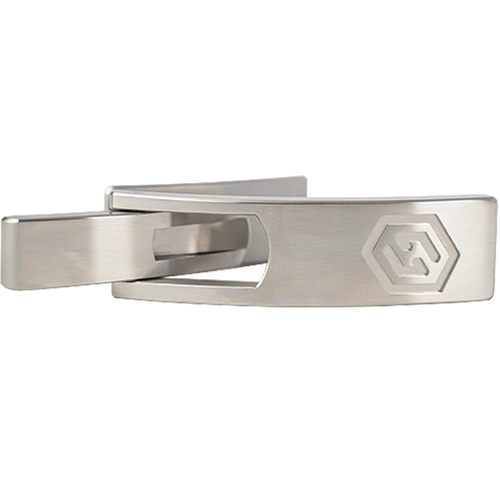
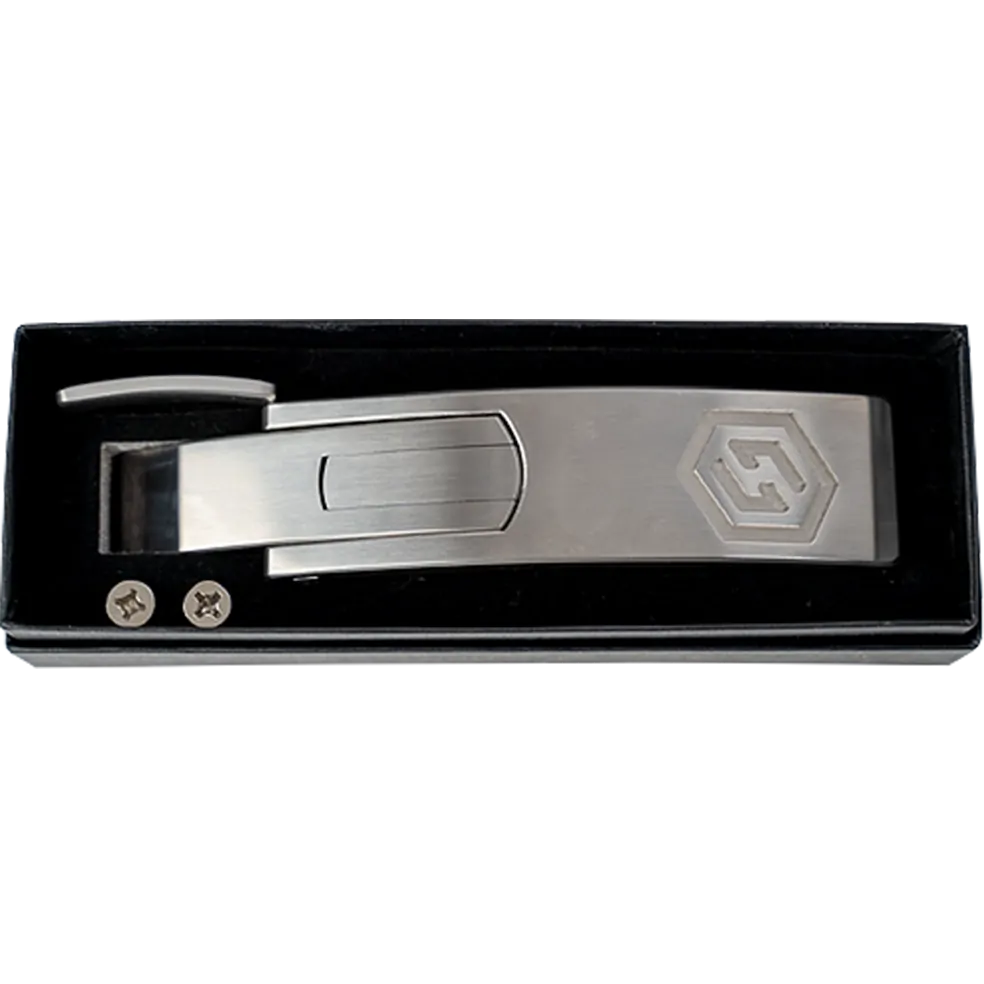
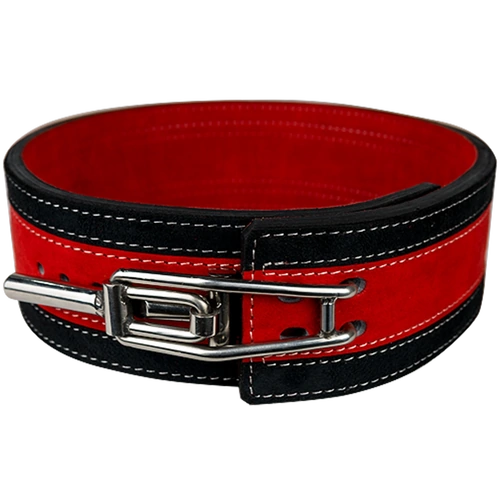
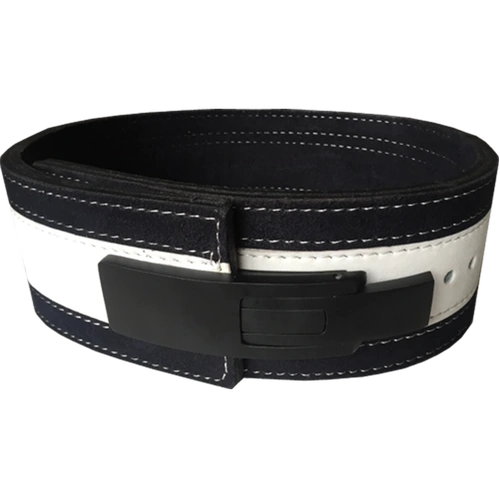
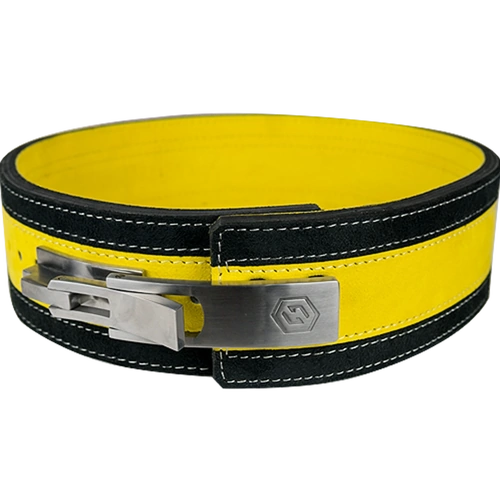
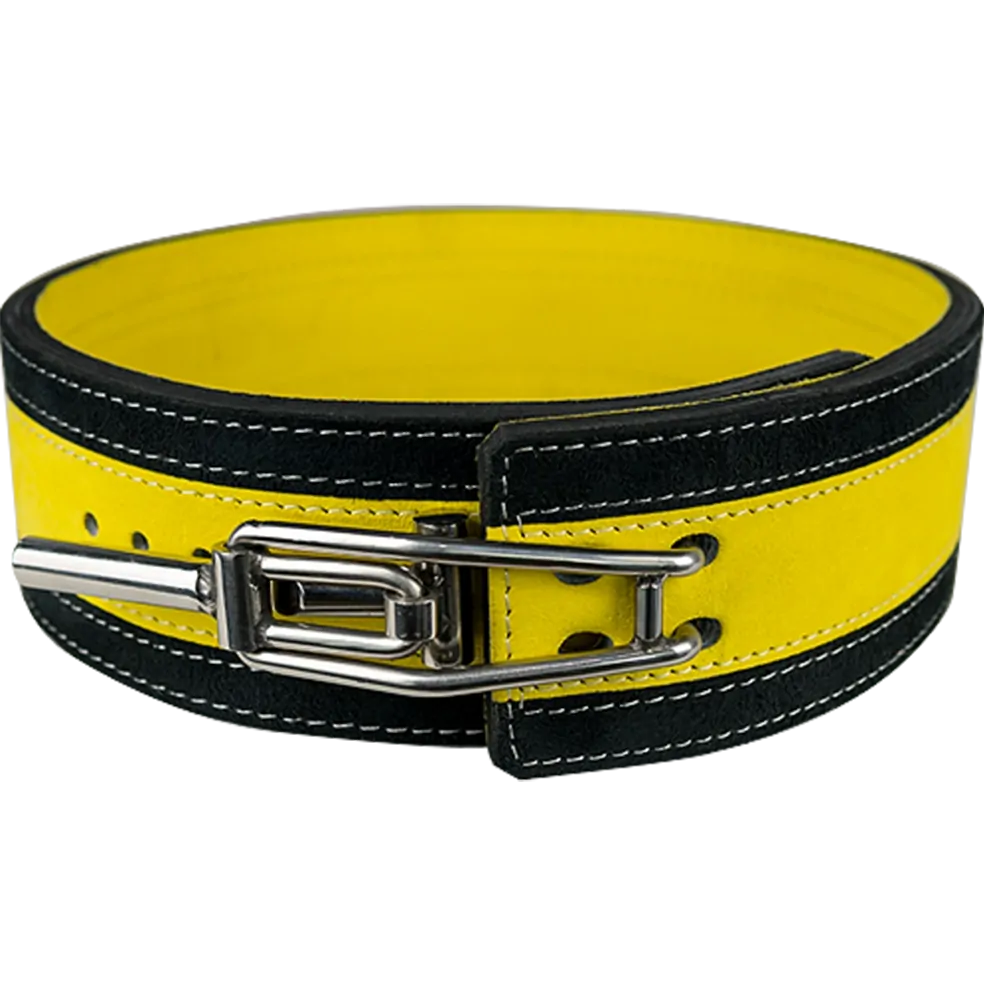
I wanted a proper old-school leather belt with a lever and this delivers. Super stiff, great finish, and the lever feels strong. Perfect for heavy squats and deadlifts.
Top quality
Leather and stitching are unreal. Feels built to last.
Confidence booster
This belt makes a massive difference on heavy days. Bracing feels stronger and more consistent. The lever is smooth and easy to adjust between lifts. Worth the money.
Very stiff
Exactly how a 13mm belt should feel. Great support.
Doesn’t move
Once you set the lever it stays put for the whole session.
Premium feel
The leather is thick and stiff but still comfortable with the suede inside. Took a few sessions to break in but now it feels perfect. Great belt for comp prep.
Tight and stable
Locks in hard and gives heaps of confidence under load.
Serious belt
Huge upgrade from my old 10mm. You feel the difference straight away.
Built for heavy lifting
This belt is no joke. The 13mm thickness gives unreal stability on squats and pulls. Once it’s locked in with the lever it doesn’t move at all. Leather feels top quality and already starting to break
Very supportive
Feels solid around the core and doesn’t shift once set.
Lifting Belts
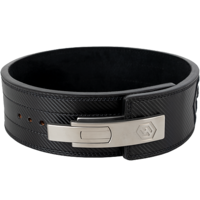
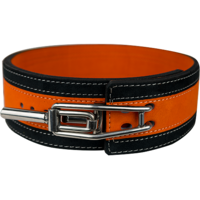
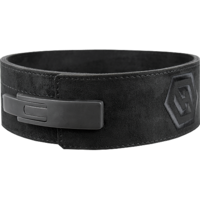
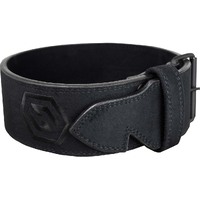
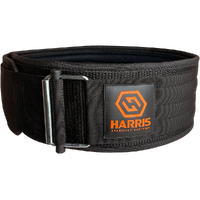
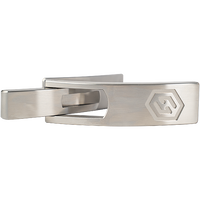


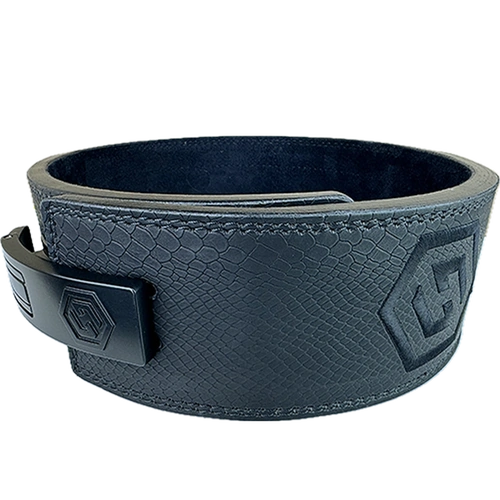
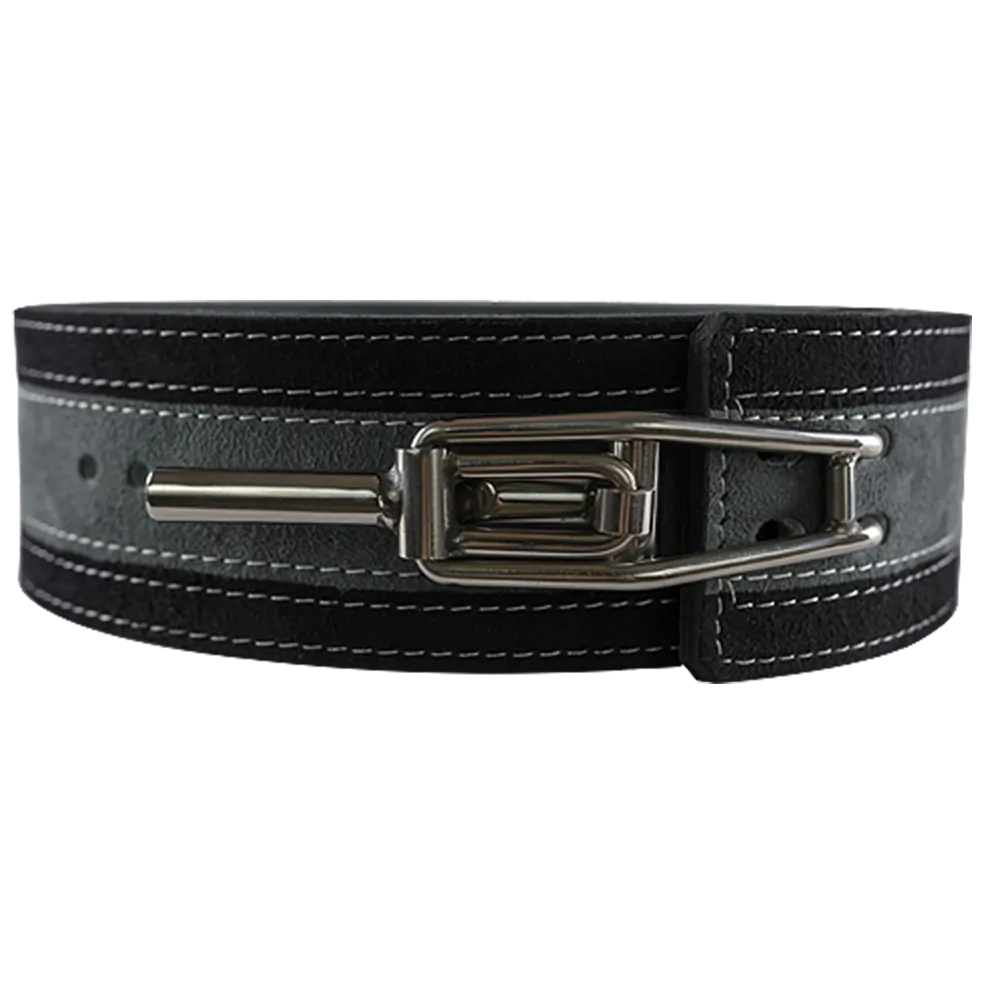
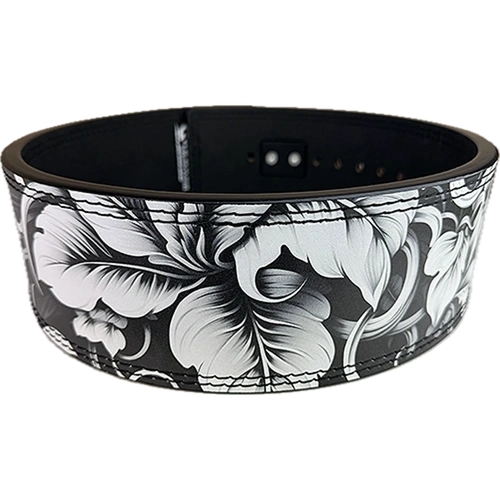


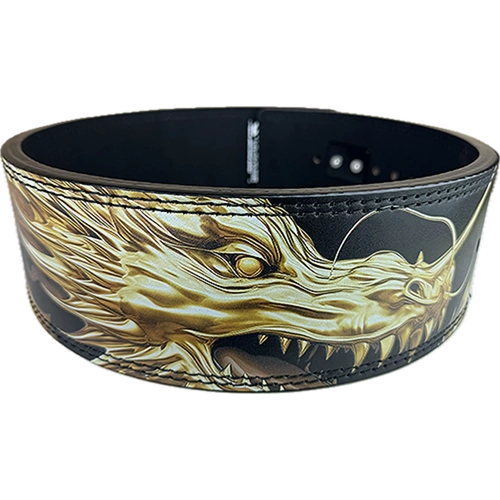

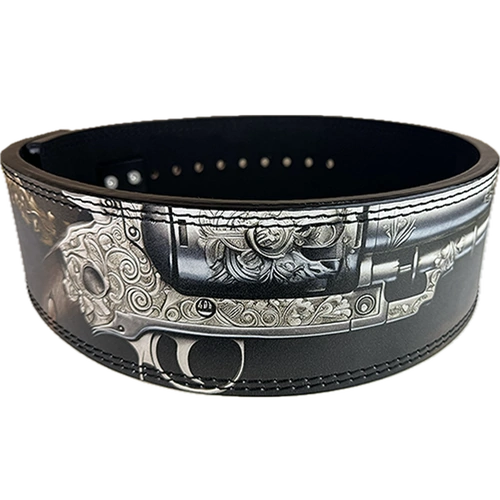


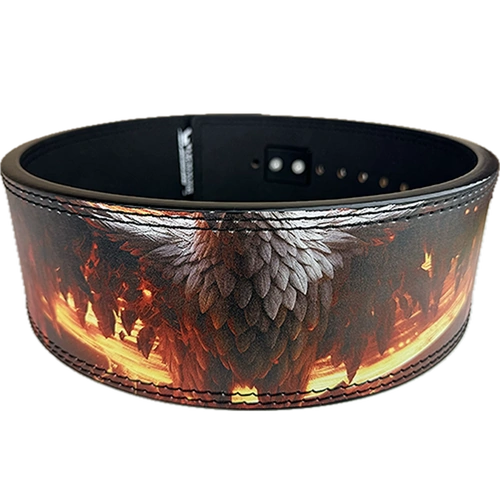

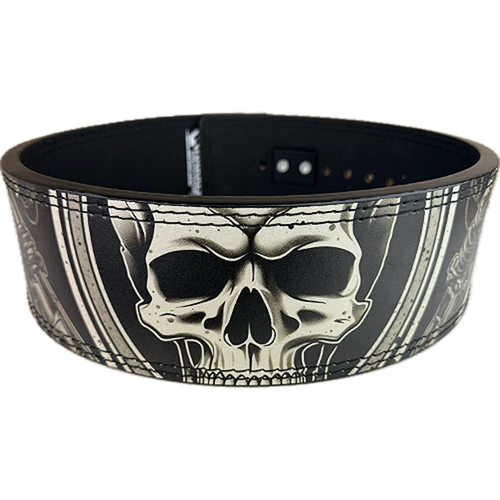

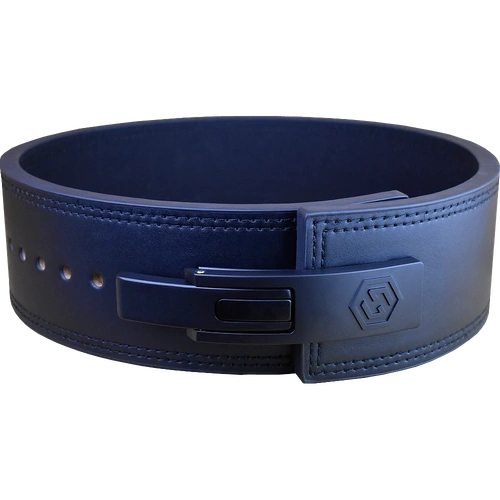
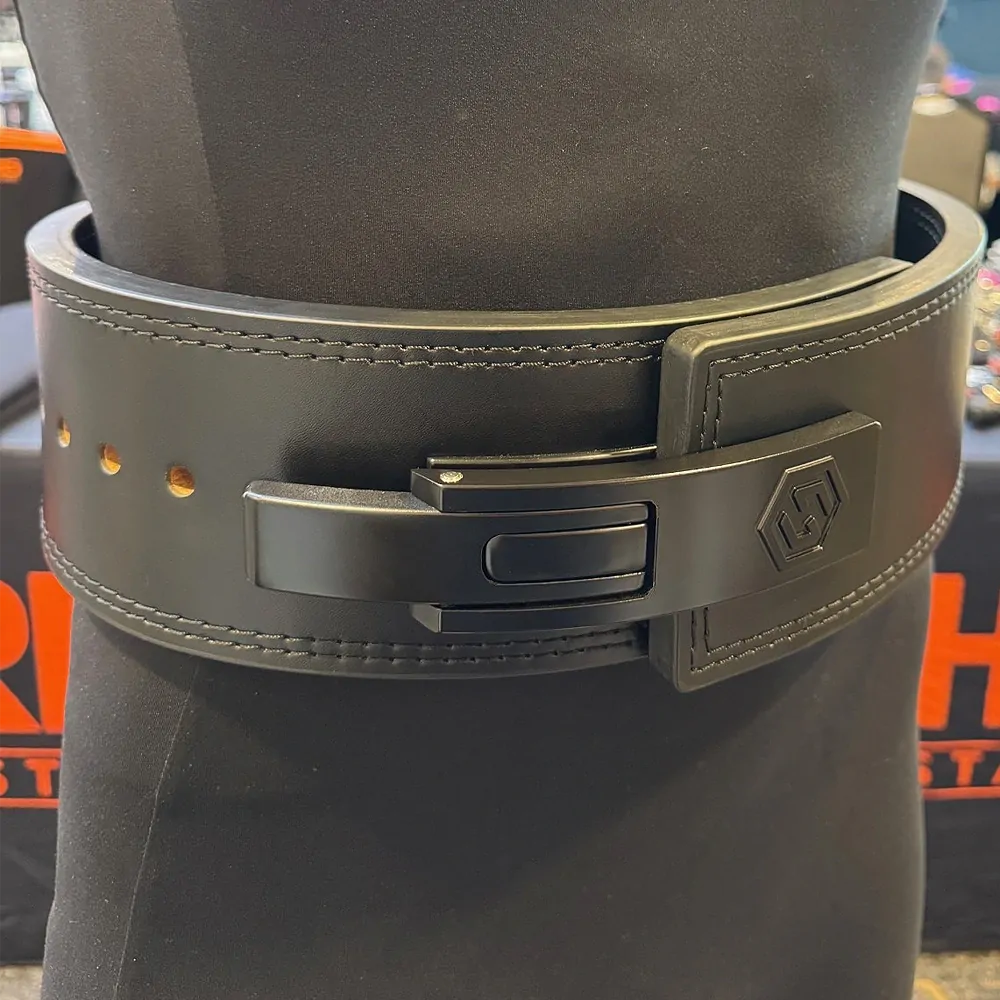
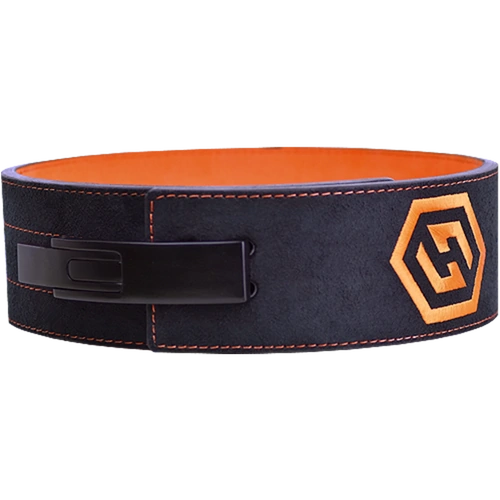


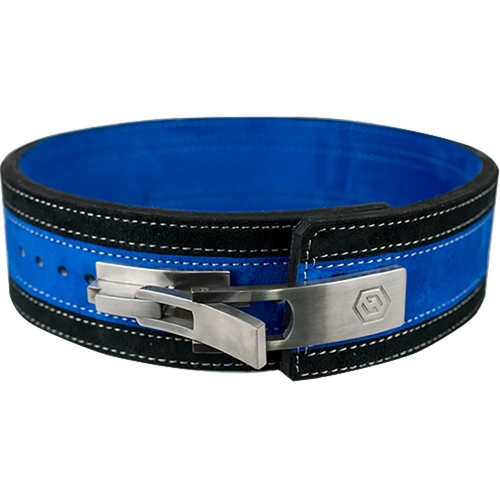

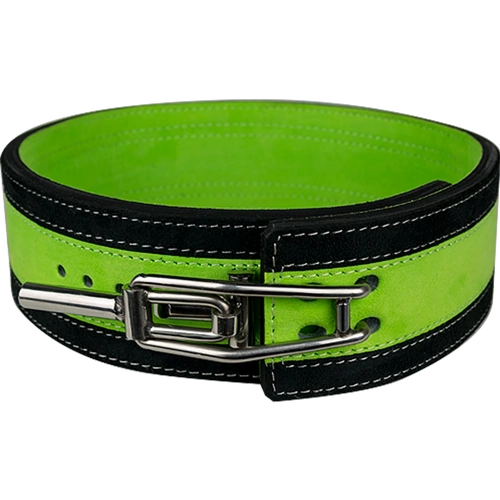
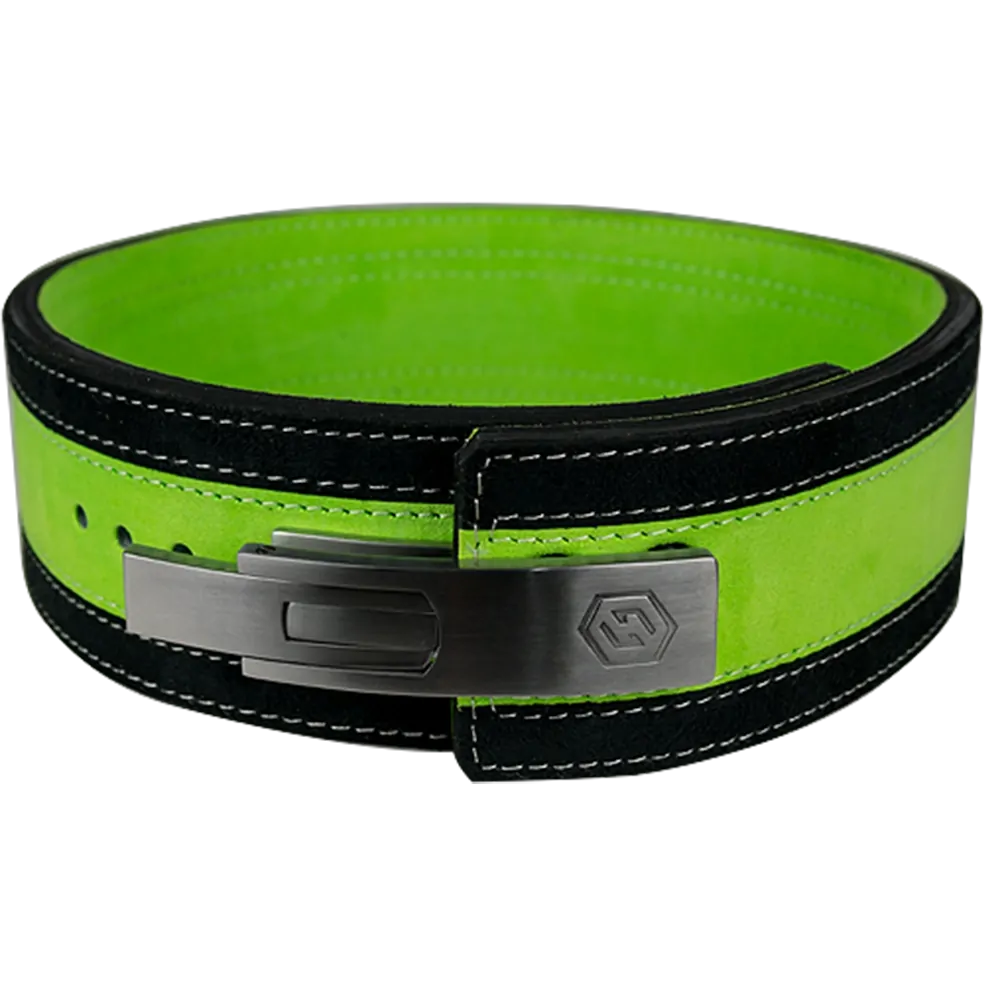
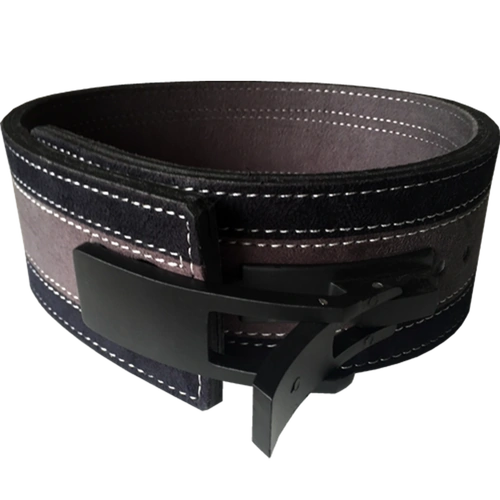
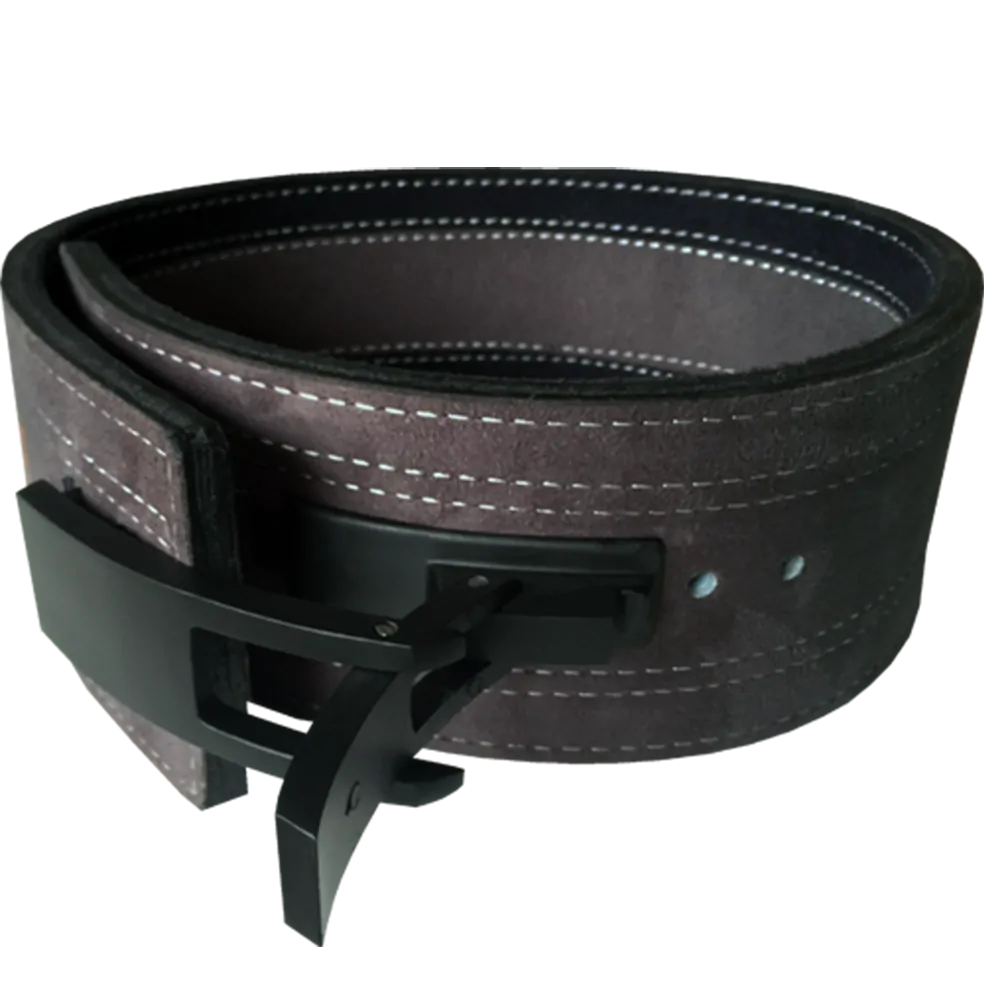




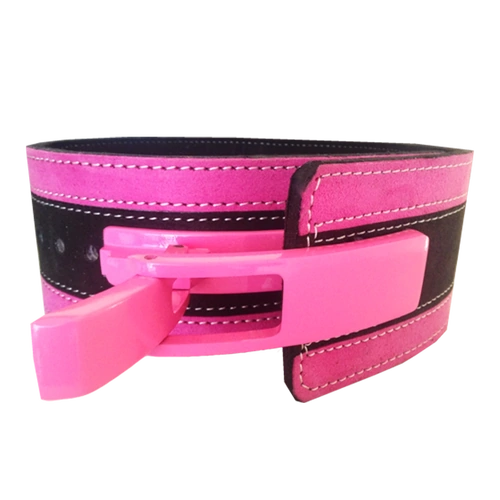

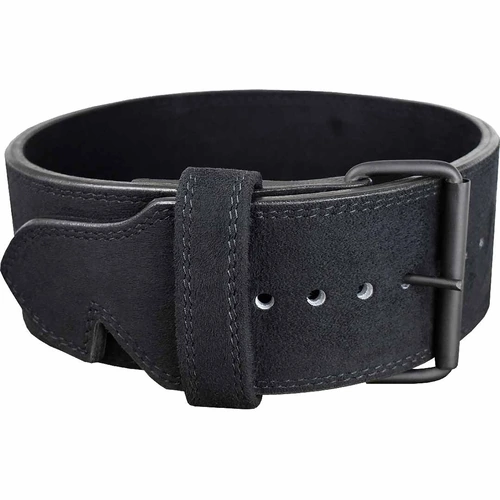
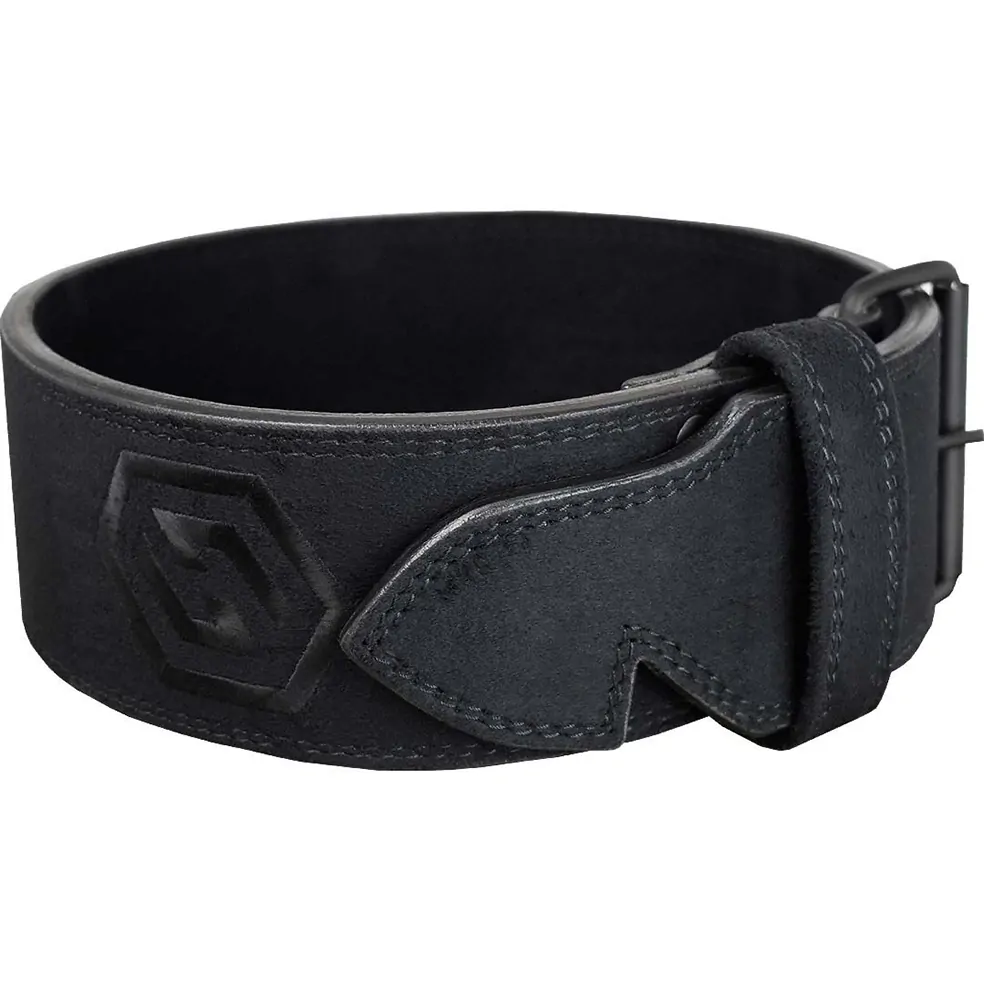
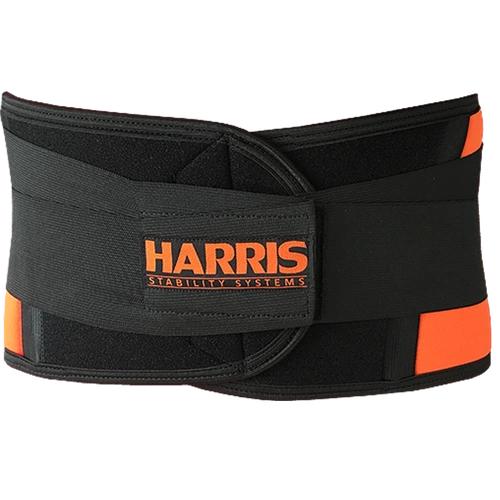
![Premium Lever [Colour Black]](/assets/thumbL/BL_P_BLK.webp?20251203115507)
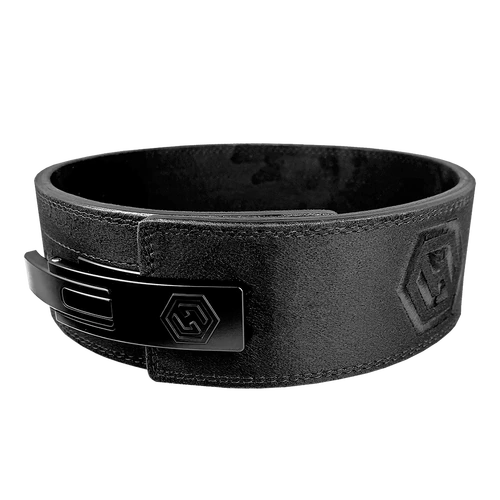
![Premium Lever [Colour Black]](/assets/alt_1/BL_P_BLK.webp?20251203115929)
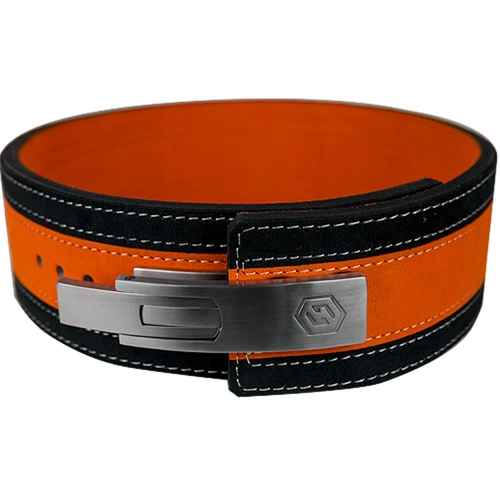
![Heavy Duty Lever [Colour Chrome]](/assets/thumbL/BL_HD_CHR.webp?20251203113805)
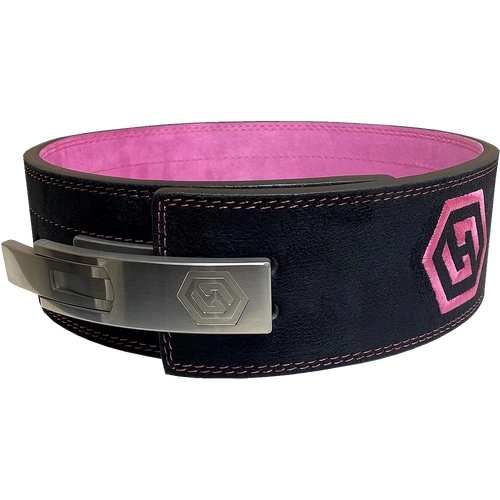
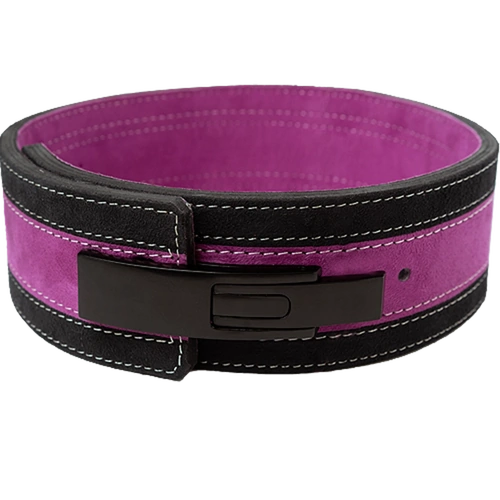
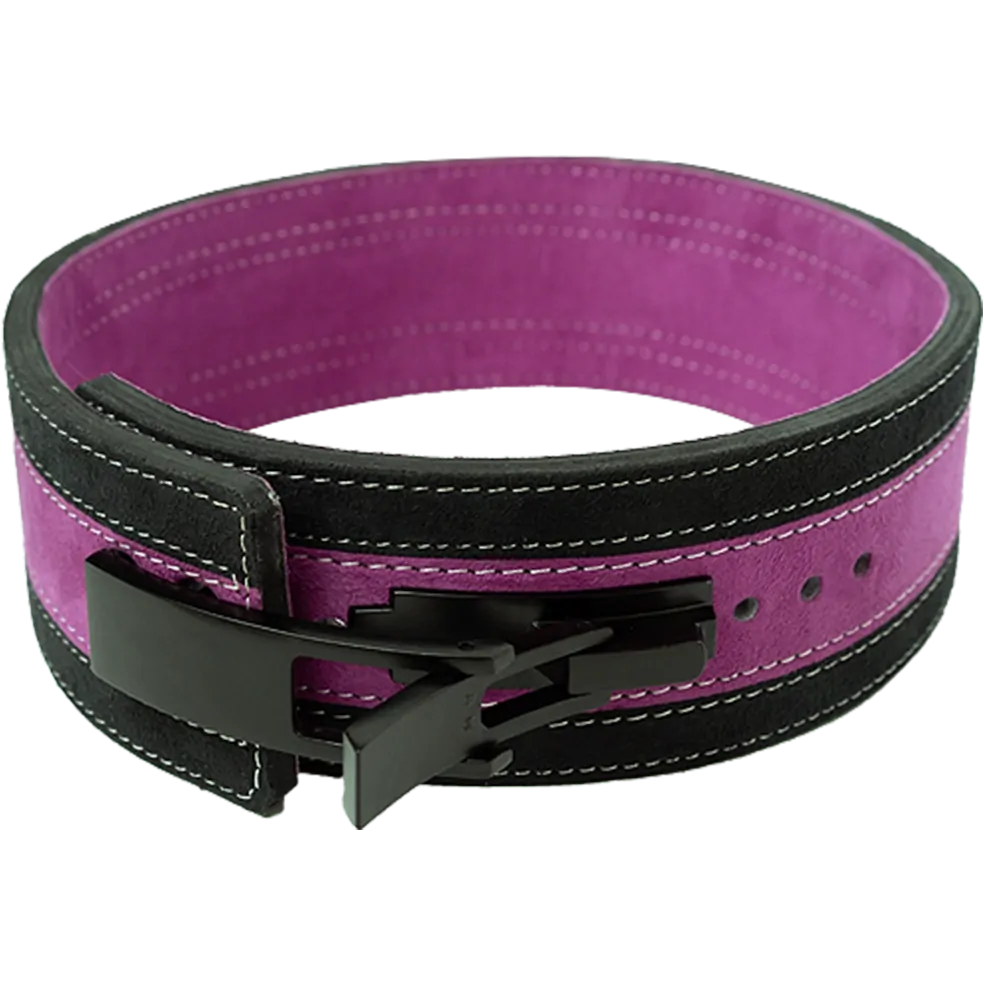
![Heavy Duty Lever [Colour Pink]](/assets/thumbL/BL_HD_PNK.webp?20251203113956)



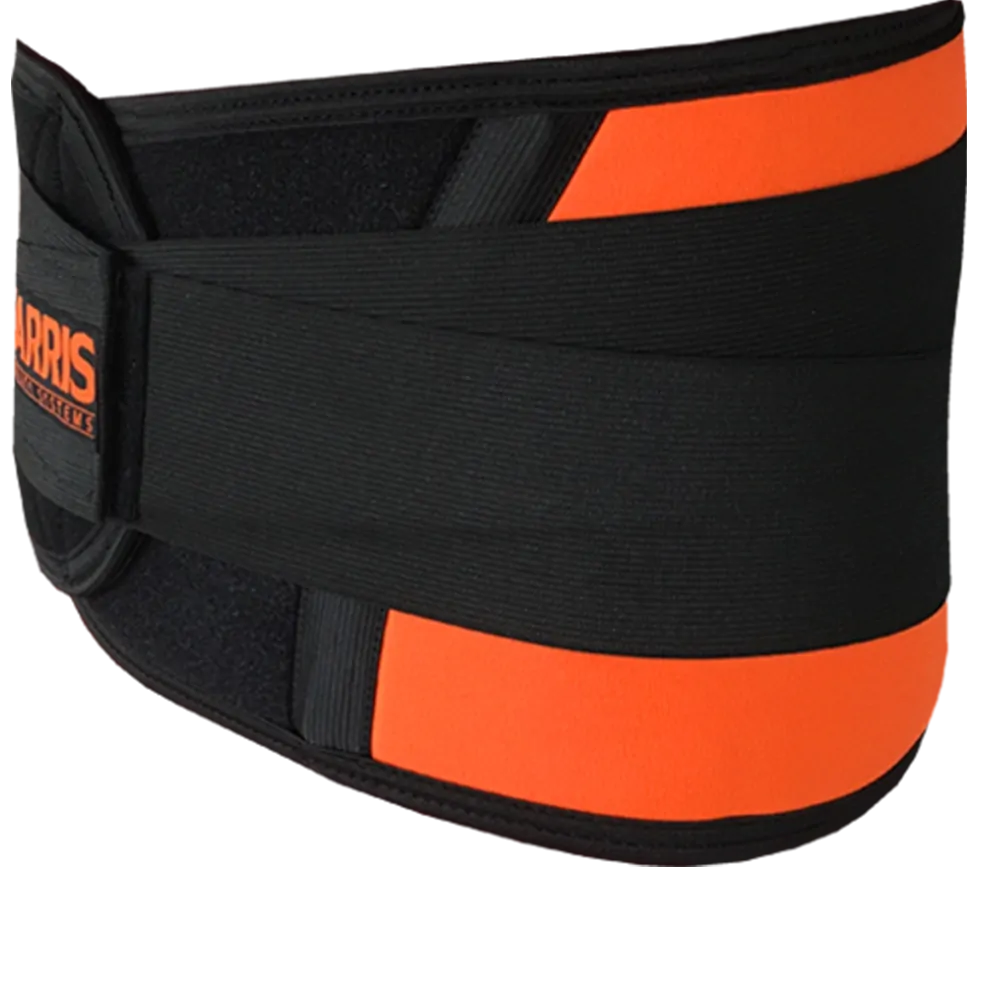
Lifting Belts: Enhance Your Strength and Stability at the Gym
Looking to take your weightlifting or powerlifting game to the next level? A lifting belt might be just what you need! Lifting belts, also known as weightlifting belts, weight lifting belts, or gym belts, are essential accessories designed to support your core and lower back during intense lifts. They are widely used by fitness enthusiasts, athletes, and powerlifters to improve performance and prevent injuries.
What does a lifting belt do?
A lifting belt provides valuable support and stability to your lower back and abdominal muscles, allowing you to generate more intra-abdominal pressure. This pressure not only protects your spine during heavy lifts, such as squats and deadlifts but also enhances your overall lifting capacity. By creating a stable base, lifting belts help you maintain proper form and reduce the risk of strains and sprains.
Do you really need a lifting belt?
While lifting belts can be incredibly beneficial for serious lifters, their usage might not be necessary for everyone. Beginners and those engaging in light to moderate lifts may not require a belt initially. However, as you progress and start handling heavier loads, a lifting belt becomes an invaluable tool to protect your back and boost your strength gains.
When should I start wearing a lifting belt?
The ideal time to start using a lifting belt is when you begin lifting heavier weights, typically around 70-80% of your one-repetition maximum (1RM). At this point, your core and lower back will benefit from the added support, helping you maintain proper form and prevent potential injuries during intense workouts.
Should you squat without a belt?
Squatting without a belt can be appropriate for lighter sets and warm-up exercises. It allows your core muscles to engage more and develop strength. However, as the weights increase, incorporating a lifting belt becomes advantageous to maintain stability and protect your back under heavy loads.
If you're serious about your gains and long-term lifting journey, consider investing in a quality lifting belt. You'll find a range of options, including powerlifting belts and lever belts, designed to suit your specific needs.
So, whether you're a powerlifting enthusiast, a seasoned weightlifter, or simply looking to add an extra layer of safety to your gym routine, lifting belts are a smart choice. Don't miss out on the chance to boost your performance and protect yourself from potential injuries - grab your lifting belt today!
Overview
Lifting Belts should make hard training feel more controlled, more repeatable and easier to trust when the session matters. This add-on copy is written to strengthen the commercial intent around lifting belts without changing the core direction of the existing URL, keeping the message focused on comparison, confidence and practical buying guidance for Australian lifters. The strongest phrasing stays practical and training-aware, using plain language to explain benefits such as more consistent bracing under load. It should also make space for visitors who are still comparing options and need a calm explanation before they commit.
Who These Options Suit
Lifting Belts suit powerlifters, strength athletes and serious gym lifters who want dependable torso support. Some visitors want a straightforward option that works from the first session, while others want a more specific feel for competition prep, heavier attempts or repeat weekly use. Clear guidance matters because the best choice usually comes down to how much support, structure and speed you want rather than chasing the most aggressive option on paper. The strongest phrasing stays practical and training-aware, using plain language to explain benefits such as better confidence when the bar gets heavy. It should also make space for visitors who are still comparing options and need a calm explanation before they commit. 13Mm Lever Belts
What Shoppers Need to Compare
A stronger commercial presentation for lifting belts should explain the important decision points early. Buyers generally want to compare belt thickness, closure style, break-in feel, how the belt matches training or competition goals, understand how each option changes the training feel, and see which models make sense for their own style of lifting. The copy on this URL should also reinforce where beginner-friendly choices sit, where more aggressive options belong, and when it makes sense to step into a more specialised model. The strongest phrasing stays practical and training-aware, using plain language to explain benefits such as more consistent bracing under load. It should also make space for visitors who are still comparing options and need a calm explanation before they commit. Prong Belts
How to Choose the Right Setup
A simple buying flow works best here. First, identify the main lifts or training blocks the buyer cares about most. Next, compare how much support feels useful rather than excessive. Then narrow the range by preferred fit, material feel and ease of setup. Finally, move from the collection into the most suitable product detail so the shopper can confirm sizing, colour or format before checkout. The strongest phrasing stays practical and training-aware, using plain language to explain benefits such as better confidence when the bar gets heavy. It should also make space for visitors who are still comparing options and need a calm explanation before they commit. 10Mm Lever Belts
Why the Right Choice Feels Better in Training
When the collection is framed properly, shoppers get three things much faster: clearer differences between options, more confidence that the product will suit their training, and fewer false starts caused by choosing gear that is too soft, too stiff or too specialised. For Harris, that means stronger support for head terms around lifting belts, plus a better path into the product layer where conversion actually happens. The strongest phrasing stays practical and training-aware, using plain language to explain benefits such as better confidence when the bar gets heavy. It should also make space for visitors who are still comparing options and need a calm explanation before they commit. How Lifting Belts Improve Performance and Safety in Weightlifting
Why Harris Still Has a Strong Position Here
Harris already has a recognised strength-gear range, so this URL should lean into practical buyer trust rather than vague hype. Strong visitor-facing copy should sound informed, training-aware and grounded in real use. Australian buyers usually respond well to direct explanations, honest trade-offs and simple next steps, especially when the range includes multiple options that can otherwise feel too similar at first glance. The strongest phrasing stays practical and training-aware, using plain language to explain benefits such as better confidence when the bar gets heavy. It should also make space for visitors who are still comparing options and need a calm explanation before they commit. Choosing Your Next Harris Belt
Next Step
For the legacy lifting belts URL, the safest move is to deepen buyer guidance without overcomplicating the layout. Keep the language direct, show the differences that matter in training, and make it easy to move into the most relevant product or guide once the shopper knows what level of support they actually want. The strongest phrasing stays practical and training-aware, using plain language to explain benefits such as better confidence when the bar gets heavy. It should also make space for visitors who are still comparing options and need a calm explanation before they commit. 10mm vs 13mm Lifting Belts: Which Support Suits Your Training?
Frequently Asked Questions
Should beginners use a lifting belt?
The right answer depends on training style and experience. Buyers comparing lifting belts usually care most about how the option feels under load, how easy it is to use consistently, and whether it matches their real sessions rather than an idealised version of training. The strongest phrasing stays practical and training-aware, using plain language to explain benefits such as more consistent bracing under load. It should also make space for visitors who are still comparing options and need a calm explanation before they commit.
What is the difference between 10mm and 13mm belts?
A clear explanation belongs close to the main copy because it reduces hesitation. The best guidance compares when to use the product, what changes in feel or support it creates, and how that affects day-to-day sessions or meet preparation. The strongest phrasing stays practical and training-aware, using plain language to explain benefits such as clearer choice between lever, prong and specialty options. It should also make space for visitors who are still comparing options and need a calm explanation before they commit.
Are prong belts better than lever belts?
Not always. A stronger product is not automatically a better product. The most suitable option is the one that supports the lift, the athlete and the training phase without introducing unnecessary discomfort or slowing down the session. The strongest phrasing stays practical and training-aware, using plain language to explain benefits such as more consistent bracing under load. It should also make space for visitors who are still comparing options and need a calm explanation before they commit.
How tight should a lifting belt be?
That depends on the exact product chosen, but the collection should always give shoppers a simple path to the supporting product details, sizing notes and care advice so they can buy with fewer second guesses. The strongest phrasing stays practical and training-aware, using plain language to explain benefits such as clearer choice between lever, prong and specialty options. It should also make space for visitors who are still comparing options and need a calm explanation before they commit.