10mm vs 13mm Lifting Belt | Powerlifting Belt Guide Australia

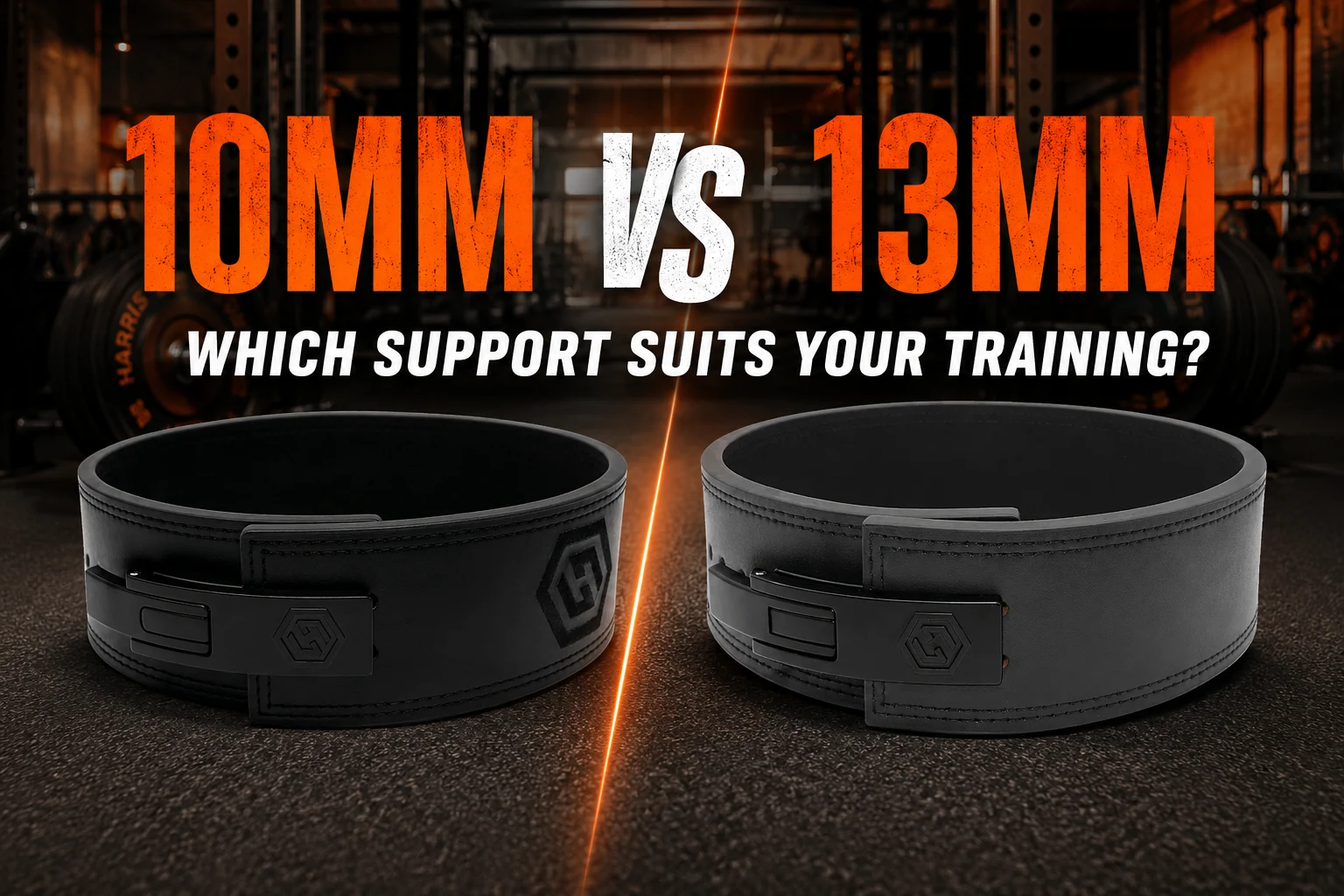
10mm vs 13mm Lifting Belts: Which Should You Choose? (Australia)
The Complete Guide to Choosing the Right Powerlifting Belt
One of the most common questions we hear at Harris Stability Systems is:
"Should I buy a 10mm or 13mm lifting belt?"
The truth is, neither thickness is better—they're simply designed for different athletes and different styles of lifting.
A 10mm belt offers an excellent balance of support, comfort and versatility, while a 13mm belt provides maximum rigidity for lifters who want the stiffest possible belt.
Understanding the differences before you buy will help you choose a belt that feels right from your very first training session.
Why Does Belt Thickness Matter?
A lifting belt works by giving your core something solid to brace against.
The more effectively you brace into the belt, the greater the intra-abdominal pressure you can create, helping stabilise your torso during heavy lifts.
Both 10mm and 13mm belts perform this role extremely well.
The biggest difference is how the belt feels while you're wearing it.
A 10mm Powerlifting Belt is often considered the best all-round option for most strength athletes.
It provides excellent support while remaining comfortable enough for regular training.
Because the leather is slightly thinner, many lifters find that a 10mm belt:
• Breaks in more quickly.
• Feels more comfortable during long training sessions.
• Allows easier movement between exercises.
• Still provides exceptional support for heavy squats, bench press and deadlifts.
For these reasons, 10mm belts are extremely popular among powerlifters, strongman athletes and general strength trainees.
Best For
• First-time belt buyers.
• Intermediate powerlifters.
• General strength training.
• Athletes who train multiple times each week.
• Anyone wanting one belt for all three powerlifts.
A 13mm Powerlifting Belt is designed for athletes who want maximum rigidity.
The additional thickness creates an extremely firm surface to brace against, making it popular with experienced lifters chasing maximal loads.
Compared to a 10mm belt, a 13mm belt generally:
• Feels significantly stiffer.
• Takes longer to break in.
• Provides maximum support.
• Requires more time to become comfortable.
Many experienced powerlifters appreciate the extra rigidity once the belt has moulded to their body.
Best For
• Advanced powerlifters.
• Maximum squat performance.
• Experienced strength athletes.
• Lifters who prefer an extremely stiff belt.
10mm vs 13mm: What's the Difference?
The biggest difference isn't how much support they provide—it's how they feel during training.
A 10mm belt offers excellent support while being more comfortable for everyday use.
A 13mm belt sacrifices some comfort in exchange for maximum rigidity.
Neither option is stronger than the other.
The right choice depends entirely on your preferences and training style.
Which Belt Is Better for Squats?
Both thicknesses work exceptionally well for squats.
Many competitive powerlifters who prioritise maximum stability prefer a 13mm belt.
Athletes who perform high training volumes or value comfort often choose a 10mm belt.
Which Belt Is Better for Deadlifts?
Deadlifts often require greater hip movement than squats.
Because of this, many lifters find a 10mm belt more comfortable, particularly if they pull conventional.
However, athletes accustomed to very stiff belts often continue using their 13mm belt for all lifts.
Personal preference plays a major role.
Which Belt Is Better for Bench Press?
Although many people don't think about using a belt for bench press, it can improve stability during heavy attempts.
Most lifters find a 10mm belt more comfortable because it allows slightly more movement while maintaining excellent support.
Which Belt Is Best for Beginners?
For most beginners, we recommend a 10mm lifting belt.
It provides all the support needed for heavy strength training while being easier to wear and quicker to break in.
Many athletes continue using the same 10mm belt for years without ever feeling the need to upgrade.
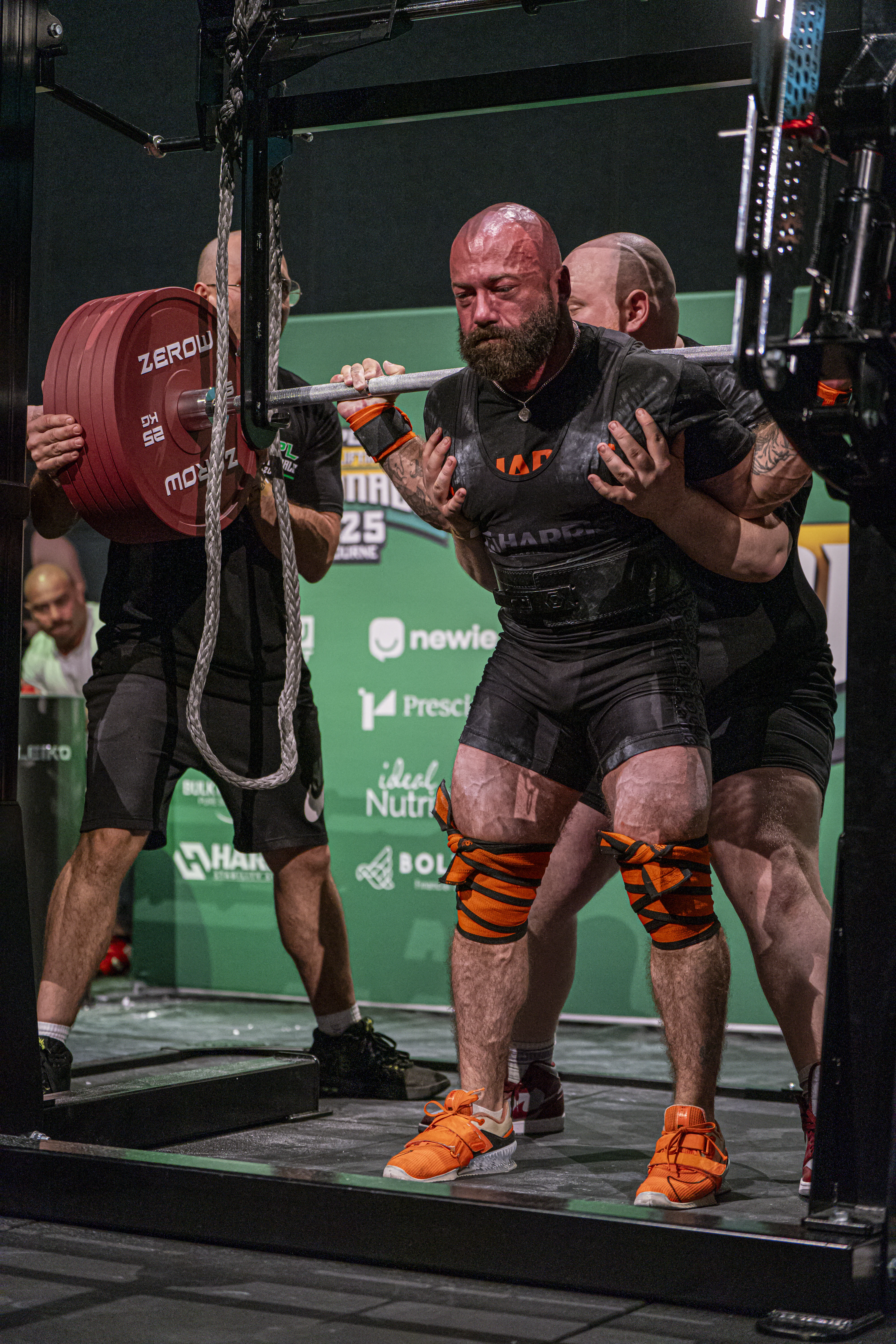
Which Belt Is Best for Competition?
Both 10mm and 13mm leather belts are widely used in powerlifting competition.
The choice comes down to personal preference rather than competition rules.
Some of the world's strongest lifters compete in 10mm belts, while others prefer 13mm.
Neither thickness is inherently superior.
Frequently Asked Questions
Is a 13mm belt stronger than a 10mm belt?
No. Both belts provide excellent support. The main difference is that a 13mm belt feels noticeably stiffer.
Is a 10mm belt enough for heavy lifting?
Absolutely. Many elite powerlifters train and compete successfully in 10mm belts.
Which belt lasts longer? With proper care, both 10mm and 13mm Harris leather belts are designed to provide many years of reliable use. Should I buy a lever belt or a prong belt?
That depends on how you train. Lever Belts provide quick fastening, while Prong Belts offer easier adjustment between lifts.
Our Powerlifting Belt Buying Guide explains the differences in detail.
Can beginners use a 13mm belt?
Yes. However, most beginners find a 10mm belt more comfortable while learning proper bracing and lifting technique.
Final Thoughts
Choosing between a 10mm and 13mm lifting belt isn't about buying the "stronger" option—it's about choosing the belt that best suits your body, your lifting style and your training goals.
If you want an all-round belt that's comfortable, supportive and suitable for almost every strength athlete, a 10mm Powerlifting Belt is an excellent choice.
If you prefer the stiffest possible belt and regularly train with maximal loads, a 13mm Powerlifting Belt may be the better fit.
Whichever you choose, Harris Stability Systems manufactures premium lifting belts designed to support Australian strength athletes through years of heavy training.