How Lifting Belts Improve Performance and Safety in Weightlifting
Author: Harris Stability Systems

How Lifting Belts Improve Performance and Safety in Weightlifting
Weightlifting is more than just a sport; it's a passion for many. Whether you're an experienced lifter or just starting your journey, the thrill of pushing your limits can be addictive. However, it's essential to recognize that weightlifting has risks. Common injuries like lower back strains, shoulder issues, and wrist pain can sideline even the most dedicated athletes. Choosing Your Next Harris Belt
That's where lifting belts come into play. These simple yet effective tools have been used by professional athletes and gym enthusiasts alike to enhance performance while safeguarding against injury. But what exactly are lifting belts? And how do they contribute to safer and more efficient workouts?
Let's dive deeper into their benefits and discover why they might become your new workout companion!
What are Lifting Belts?
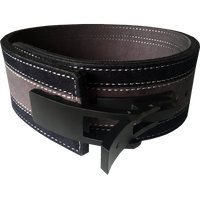
Lifting belts are specialized pieces of equipment used in weightlifting and strength training. They are designed to support the lower back and core during heavy lifts, such as squats or deadlifts.
These belts are typically made from leather or synthetic materials and have various widths and thicknesses. Their primary purpose is to increase intra-abdominal pressure, which helps stabilize the spine. Specialty Belts
A lifting belt can support athletes as they push their limits when worn correctly. It acts as a brace around the midsection, allowing lifters to maintain better posture while handling heavier weights.
Many gym-goers find that using a lifting belt improves their performance and enhances their confidence when tackling challenging exercises. Understanding how lifting belts work can be essential for anyone serious about weightlifting safety and effectiveness.
The Benefits of Using a Lifting Belt
Using a lifting belt can dramatically enhance your weightlifting experience. One of the primary benefits is increased intra-abdominal pressure. This added stability helps support your spine during heavy lifts.
Lifting belts also promote proper form. Encouraging core engagement reduces the risk of poor posture, which can lead to injuries. Lifters often find they can lift heavier weights with better technique while wearing a belt.
Another advantage is mental confidence. Many athletes feel psychologically fortified when using a lifting belt, allowing them to push their limits without fear of injury.
Additionally, belts aid in recovery by minimizing strain on lower back muscles. This protective layer allows for more intense workouts without sacrificing safety or performance. You need to incorporate a lifting belt into your routine to improve your strength and safety during training sessions.
How Lifting Belts Improve Performance
Lifting belts are more than just accessories; they enhance performance. By supporting the lower back, they help lifters maintain proper alignment during heavy lifts.
When you wear a lifting belt, it increases intra-abdominal pressure. This natural stabilization protects your spine and allows for better force transfer throughout your body. It means less strain on your muscles and joints while maximizing power output.
Athletes often report feeling more confident when using a belt, allowing them to push their limits without fear of injury. The psychological boost can be significant—knowing that extra support makes tackling heavier weights less daunting.
Lifting belts can also improve technique by reminding users to engage their core correctly. This focus not only enhances performance but also contributes to muscle growth over time as the body adapts to increased demands.
Safety Considerations When Using a Lifting Belt
Using a lifting belt can enhance performance, but it's essential to approach its use with caution. Proper fitting is crucial. A belt that's too loose won't provide support, while one that's excessively tight can restrict movement and breathing.
It's important to remember that a lifting belt should complement your training, not replace core strength development. Relying solely on the belt may weaken abdominal and back muscles over time.
Additionally, timing matters. Use the lifting belt for heavier lifts or during high-intensity sessions requiring extra support. For lighter weights, allow your body to engage naturally without added assistance.
Always prioritize proper technique when using a lifting belt. Misalignment or incorrect posture could increase injury risk despite wearing protective gear. Listening to your body and recognizing its limits will help ensure safe weightlifting practices in the future.

Global Weightlifting Belt Size Forecast 2020-2032
As the global fitness industry continues to expand, the market for lifting belts is projected to experience significant growth from 2020 to 2032, driven by a surge in weightlifting enthusiasts and athletes keen on optimizing their performance.
This forecast anticipates an increase in overall sales volume and a diversification in belt sizes catering to various body types and training intensities. Brands will likely innovate with advanced materials that offer better support while enhancing comfort during heavy lifts.
With a greater emphasis on safety among gym-goers and professional lifters alike, specialized lifting belts designed for different disciplines—powerlifting, Olympic weightlifting, and CrossFit—are expected to emerge.
Regional factors will also play a role; for instance, the Asia-Pacific market may see tailored size options responding to local preferences and anatomical considerations as more individuals turn towards strength training as their path toward health and well-being.
Conclusion
Lifting belts have become essential tools for many athletes and fitness enthusiasts. They provide both support and stability, allowing lifters to push their limits while minimizing the risk of injury.
By offering added core support during heavy lifts, these belts help maintain proper form, which is crucial for long-term success in weightlifting.
Using a lifting belt can improve performance across various exercises. Lifters often notice an increase in their maximum lifting capacity as they feel more secure under pressure.
This boost can be particularly beneficial during compound movements like squats and deadlifts, where maintaining spinal alignment is critical.
Safety remains paramount in any training regimen. While lifting belts are advantageous, they must be used correctly. Proper fit and timing—such as when to put on the belt—play significant roles in ensuring that the belt's benefits are fully realized without relying on it for every lift.
Incorporating a lifting belt into your training routine might be the game-changer you need for enhanced performance and safety on your weightlifting journey.
Whether you're a seasoned competitor or someone new to strength training, understanding how best to utilize this tool will empower you toward more extraordinary achievements at the gym.