Smelling Salts Explained: How They Work, When to Use Them & Are They Safe?
Author: Harris Stability Systems

The Complete Guide to Smelling Salts for Powerlifting, Strongman & Strength Athletes
If you've watched a powerlifting competition or strongman event, you've probably seen athletes open a small container, take a quick inhale and instantly look focused and ready to attack a heavy lift. Those are smelling salts.
Once used primarily as a first aid product, smelling salts have become one of the most recognised performance aids in strength sports. Today they're commonly used by powerlifters, strongman athletes, weightlifters and other strength competitors immediately before heavy attempts.
At Harris Stability Systems, we've supplied smelling salts to Australian strength athletes for years. This guide explains what smelling salts are, how they work, when to use them and how to use them responsibly.
What Are Smelling Salts?
Smelling salts contain compounds that release ammonia vapour when opened.
When the vapour reaches your nose, it irritates the lining of your nasal passages, triggering an involuntary inhalation reflex.
Many athletes describe the sensation as an instant rush of alertness that helps them mentally prepare for a heavy lift.
The effect is intense but short-lived, making smelling salts popular immediately before maximum effort attempts.
How Do Smelling Salts Work?
When inhaled correctly, the ammonia vapour stimulates receptors inside the nose.
This causes a rapid inhalation and temporary increase in alertness.
Many athletes report feeling:
• More focused
• More mentally switched on
• More aggressive before a lift
• Better prepared for maximum effort attempts
The effects generally last only a few minutes, which is ideal for heavy squats, deadlifts, bench press attempts or strongman events.
It's important to remember that smelling salts don't magically make you stronger. Instead, they're used to increase mental readiness before a lift.
Who Uses Smelling Salts?
Smelling salts are commonly used by athletes involved in:
• Powerlifting
• Strongman
• Olympic Weightlifting
• Highland Games
• Strength Training
Some athletes also use them before explosive events requiring maximum concentration and intensity.
When Should You Use Smelling Salts?
Because the effects are short-lived, most experienced lifters save smelling salts for their heaviest attempts.
Typical situations include:
• Personal Record attempts
• Competition lifts
• Heavy squat sessions
• Maximum deadlift attempts
• Strongman events
• Final working sets
Using smelling salts for every set usually provides little additional benefit and may reduce their perceived effectiveness over time. Read more on our blog: When Smelling Salts Make Sense for Heavy Lifts, Competition Day, and Big Attempts.
Are Smelling Salts Safe?
When used correctly and as intended, smelling salts have been used by athletes for many years.
However, they should always be used responsibly.
Because smelling salts release ammonia vapour, they may cause temporary burning or irritation of the nose and eyes. Some people find the sensation extremely intense.
They should never be placed directly inside the nostrils or inhaled excessively.
If you have asthma, respiratory conditions or any medical concerns, consult your healthcare professional before using smelling salts.
As with any performance aid, use them sensibly and discontinue use if you experience any unexpected symptoms.
How Often Should You Use Smelling Salts?
Our recommendation is simple:
Use smelling salts only when you genuinely need them.
Many experienced lifters reserve them for:
• Competition day
• Personal record attempts
• Maximum effort training
• Important heavy sets
There's little benefit in using smelling salts during every workout or before every set.
Saving them for your biggest lifts helps ensure they remain a useful tool when you need maximum focus.
Which Harris Smelling Salts Should You Choose?
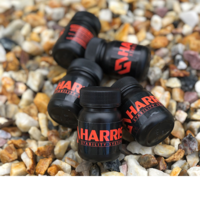
Whether you're preparing for your first competition or chasing an all-time personal best, Harris offers smelling salts to suit different training environments.
Ideal for:
• Powerlifting
• Strongman
• Training groups
• Competition day
The larger container is perfect for regular use and athletes who train consistently.
Frequently Asked Questions
Do smelling salts make you stronger?
Smelling salts don't directly increase muscular strength. Their purpose is to increase alertness and mental readiness immediately before a heavy lift.
How long do smelling salts last?
The effects typically last for a few minutes, making them ideal immediately before maximum effort attempts.
Can beginners use smelling salts?
Yes, but they're generally most useful for experienced lifters attempting heavy lifts or competing. Beginners will usually benefit more from focusing on technique, programming and consistent training before relying on performance aids.
Are smelling salts legal in powerlifting?
Most powerlifting federations allow smelling salts, but rules can vary between organisations. Always check your federation's current rulebook before competition.
Do smelling salts expire?
Over time, the ammonia vapour gradually weakens once the container has been opened. Keeping the lid tightly sealed between uses will help maximise their lifespan.
Should I use smelling salts before every set?
No. Most experienced athletes reserve them for their heaviest lifts rather than every working set.
Final Thoughts
Smelling salts have become a trusted part of many strength athletes' competition routines because they provide a fast, intense boost in mental alertness immediately before heavy lifts.
Used responsibly, they can be another useful tool alongside proper training, nutrition and recovery.
Whether you're preparing for your first powerlifting competition or chasing a new deadlift personal best, Harris Stability Systems offers one of Australia's leading ranges of smelling salts trusted by strength athletes across the country.
USE SMELLING SALTS AT YOUR OWN RISK AND CONSULT A DOCTOR BEFORE USING.
Please note: This product is not intended for medical or therapeutic use. The information provided is for educational purposes only and should not replace professional medical advice. No therapeutic claims are made.