
Recoil - Triple Ply - Bench Press: Stability, Control and Confident Power
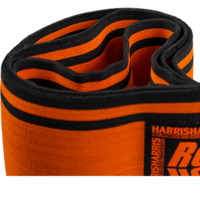

There’s more to bench press performance than strength. Outcomes are affected by stability, bar path control, and confidence under load. Recoil - Triple Ply - Bench Press is made for lifters that want consistent setup, better control through the press, and safety during hard sets. In initial sessions, they become more aware of positioning and movement.
As physical loads increase, small variances in technique can hinder results. When you use something that constrains the body, the athlete can actually produce force better, because it’s not compensating. That’s the key. The reinforced triple-ply construction provides superb durability and excellent feedback for repeatable performance session after session.
In this article we will explain what the Recoil Triple-Ply bench press aid is, why stability matters, how it compares to training without aids, how to choose it and how to use it responsibly. The goal is understanding. Not shortcutting. But ensuring strong fundamentals with good equipment.
Understanding the Recoil Triple Ply Bench Press Aid
The Recoil triple-ply bench press aid is designed to give controlled assistance and feedback during the bench press. Materials with a composition of three layers ensure maximum rigidity and maximum longevity allowing balanced power output through heavy training cycles. The model guarantees stability, without camouflaging technique errors.
A full-bodied lift that the bench press includes stability. Things like upper-back engagement, shoulder positioning and leg drive affect bar control. A stability aid, which helps prevent undesirable movement, reinforces these elements. It helps to transfer forces efficiently through the setup.
A consistent setup delivers consistent outcomes. When lifters can replicate the same positioning for each set, progress is measurable. Over time, better reliability can help support confidence under heavier load.
|
Feature |
Purpose |
Training Benefit |
|
Triple-ply construction |
Rigidity and durability |
Consistent feedback |
|
Stability emphasis |
Reduced unwanted movement |
Improved bar control |
|
Technique reinforcement |
Tactile positioning cues |
Safer execution |
|
Long service life |
Reliable performance |
Training continuity |
The design translates into practical situations, as illustrated in this essay.
Why Stability and Control Matter in the Bench Press
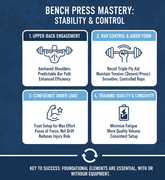
In order to succeed at the bench press, you need to control the bar path while keeping a stable base. Stabilizing our bodies ensures energy doesn’t leak giving more force for the bar. An absence of control may limit gains.
Upper-Back Engagement and Bar Path
An anchored press relies on a stable upper back. Keeping the shoulders set allows the bar to move on a predictable plane. Certainty enhances efficiency and reduces joint stress.
The Recoil triple-ply bench press aid focuses on keeping in the right position. This can help lifters maintain tension during both the descent and press phases. More control allows for smoother reps.
Confidence Under Load and Training Quality
Confidence Influences Achievement Lifters who trust their set up are committed to the press. Focusing on the distance can enhance training quality, particularly maximal efforts.
Continuous support minimizes fatigue caused by compensatory movements. It can help retain energy for quality volume in a session.
Below are foundational elements the aid is designed to support.
- Consistent upper-back positioning
- Controlled bar descent and ascent
- Reduced lateral instability
- Repeatable setup across sets
These elements remain essential regardless of equipment.
Comparing Recoil - Triple Ply- Bench Press With Training Without Aids
Training without aids can build basic awareness, but it can get variable under fatigue. An aid to stability which reduces that variability. The discrepancy becomes more evident at higher loads.
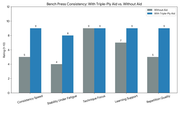
- When lifters use a triple-ply aid, they tend to hit a stable groove quicker. The equipment helps establish a consistent bar path with every repetition.
- While raw Lifting Accessories is vulnerable to form breakdown, the aid stabilizes you at the end of a set.
- A triple-ply aid is a tool for learning not a shortcut. The rider uses the same technical focus and intent as a lift without an aid. This is important for long-term results.
How to Choose and Use the Recoil Triple Ply Bench Press Aid
When selecting a Recoil - Triple Ply- Bench Press, it is essential that your choice complements your goals as well as current experience level. Lifters who experience stability issues during heavy cycles could benefit the most. The size and placement must be right.
Start with easier loads to focus on the feel. Stick with your usual set up and note any feedback from the aid. As you become more comfortable, slowly introduce it into heavier sessions.
Utilize the aid properly. Do not use it to impose positions. As you execute solid mechanics, let it cue consistency. Balance of aided and unaided work to keep a desired level of awareness.
- Start with submaximal loads to learn feedback
- Maintain your normal setup and cues
- Integrate during heavy or technique-focused sessions
- Alternate aided and unaided training
This approach supports skill transfer and long-term progress.
Supporting Strong Bench Fundamentals
Recoil - Triple Ply- Bench Press helps you reinforce stability, control, and confidence during the bench press. The Feedback Weave design ensures a smooth, soft feel. Unless used carefully, it serves as a substitute for strong fundamentals.
To improve your bench press, it is important to be dedicated, smart and consistent with Harris Stability Systems. Stability-focused device could reduce variability and enhance quality of training. With time, this will promote safer and more confident lifting.
Opt for the tools that resonate with your goals and apply them purposely. Fundamentals lead, equipment backs and performance follows.