When to Use Knee Wraps | Heavy Squat & Powerlifting Guide
Author: Harris Stability Systems Last Updated: 28 August 2026


When Do Knee Wraps Make the Biggest Difference in Heavy Squat Training?
Knee wraps are designed for lifters performing heavy squats where a tightly wrapped knee is part of their training or competition setup.
Unlike knee sleeves, which slide over the knee, wraps are wound tightly around the joint before a lift. The amount of tension, overlap and wrapping technique all influence how the wraps feel during the squat.
Most lifters do not need knee wraps for every lower-body workout. They are generally used during heavier squat sessions, competition preparation and specific powerlifting training.
This guide explains when knee wraps are most useful, when knee sleeves may be the better option and how to decide if wraps suit your training.
What Are Knee Wraps?
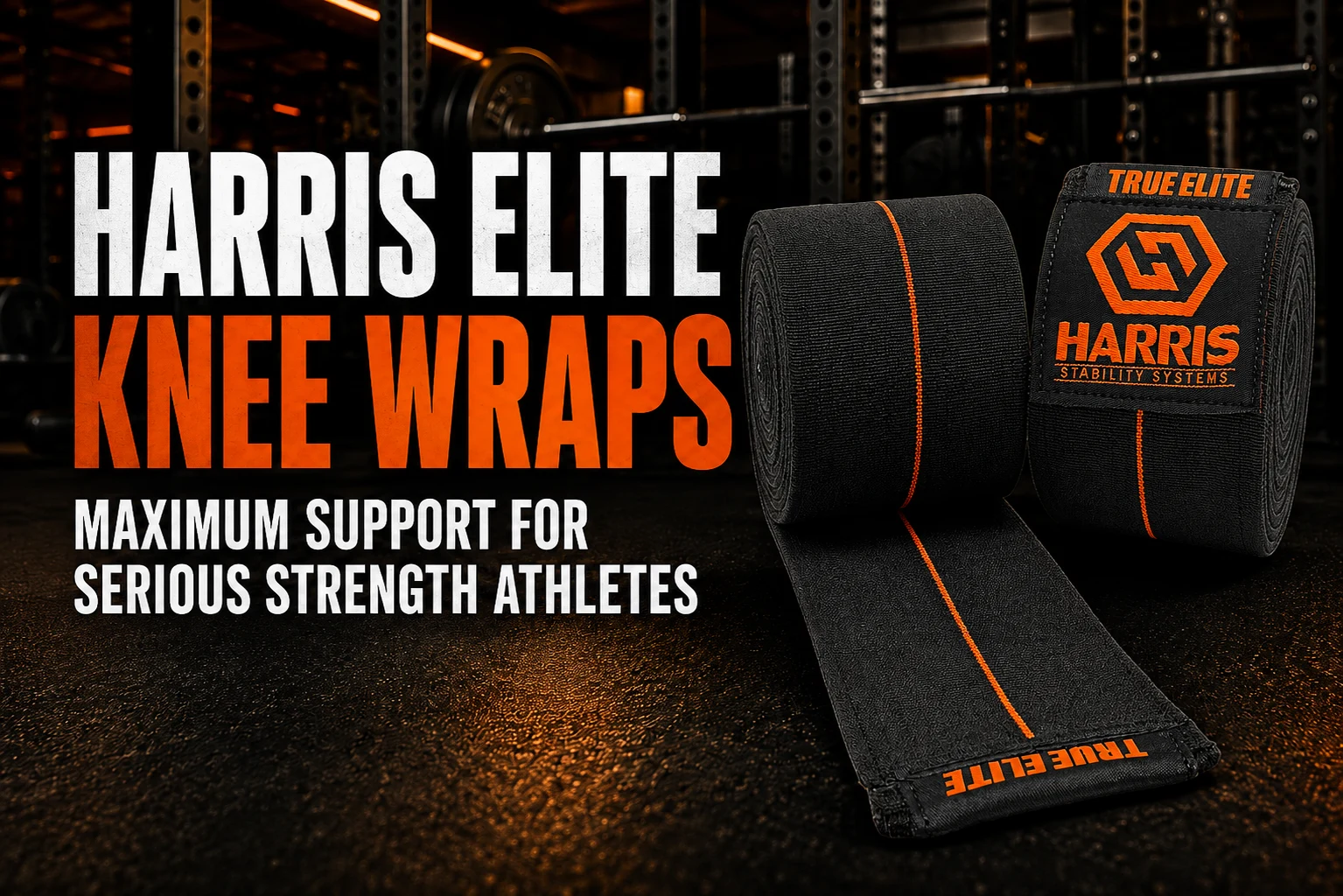
Knee wraps are long elastic strips that are wrapped tightly around the knees before squatting.
Depending on their material, stiffness, length, wrapping technique and wrapping tension, they can create a very different feel from knee sleeves.
Unlike sleeves, wraps are applied immediately before a lift and removed afterwards.
They are most commonly used in:
• Powerlifting
• Heavy squat training
• Some strongman events
When Are Knee Wraps Most Useful?
Knee wraps are generally reserved for heavy squatting.
Common situations include:
• Competition preparation
• Peaking blocks
• Heavy singles
• Heavy doubles
• Heavy triples
• Max-effort squats
• Squat testing days
• Equipped powerlifting divisions
Many lifters train without wraps for most of the year and introduce them during specific phases of training.
During Heavy Squat Blocks
One of the most common times to use knee wraps is during heavy squat-focused training blocks.
These programs often include:
• Low repetitions
• High percentages
• Long rest periods
• Competition-specific practice
Using the same wraps consistently during these sessions allows the lifter to become familiar with how they affect squat depth, timing and setup.
If wraps will be worn in competition, they should also be used regularly throughout the final stages of preparation.
During Competition Preparation
Powerlifters competing in a wrapped division need to practise exactly as they intend to compete.
This includes:
• Using the same wraps
• Wrapping with the same tension
• Using the same wrapping style
• Timing the wraps consistently
• Squatting to competition depth
Changing wrap styles shortly before competition can create unnecessary inconsistency.
Most experienced lifters stay with one wrap throughout an entire preparation cycle.
During Maximum-Effort Squats
Knee wraps are commonly worn for:
• Heavy singles
• Max attempts
• Test days
• Competition simulations
These sessions usually involve loads much heavier than normal volume training.
Practising with wraps allows the lifter to become familiar with their competition setup before meet day.
During Squat Testing Days
Testing sessions often include:
• New one-repetition maximums
• Competition openers
• Heavy top singles
• Training max assessments
If wraps are part of the planned competition equipment, these sessions provide an opportunity to practise:
• Applying the wraps
• Walking out the bar
• Squatting to depth
• Maintaining a consistent setup
For Wrapped Powerlifting Divisions
Some powerlifting federations offer separate divisions for wrapped lifting.
Athletes competing in these divisions should train with wraps often enough to become comfortable using them.
Competition rules vary between federations.
Always confirm:
• Maximum wrap length
• Approved equipment
• Wrapping requirements
• Equipment inspections
before competition.
Knee Wraps for Strongman
Some strongman athletes also use knee wraps during heavy lower-body events.
Examples include:
• Squats
• Yoke carries
• Heavy carries
• Loading events
Whether wraps are allowed depends on the competition rules.
Always check the organiser’s equipment requirements before competing.
When Knee Sleeves May Be a Better Choice
Not every squat session requires knee wraps.
Many lifters choose knee sleeves for:
• Warm-up sets
• Volume squats
• Front squats
• Higher repetitions
• General strength training
• Bodybuilding
• General gym use
Sleeves are much quicker to put on and remove.
They are also more practical when several lower-body exercises are completed in one session.
Knee Wraps vs Knee Sleeves
|
Feature |
||
|---|---|---|
|
Application |
Wrapped manually |
Pull-on sleeve |
|
Setup time |
Longer |
Quick |
|
Tightness |
Adjustable |
Determined by size |
|
Common use |
Heavy squats |
General strength training |
|
Removed between sets |
Usually |
Often worn throughout the session |
|
Competition use |
Wrapped divisions |
Many raw divisions |
Neither product replaces good squat technique.
They simply suit different styles of training.
Should Beginners Use Knee Wraps?
Most beginners do not need knee wraps.
Early squat training is usually better spent developing:
• Consistent technique
• Squat depth
• Bracing
• Bar position
• Training experience
Wraps become more relevant once a lifter begins preparing for wrapped competition or regularly performing very heavy squat sessions.

How Often Should You Train in Knee Wraps?
This depends on your goals.
Many powerlifters:
• Train without wraps for lighter sessions
• Introduce wraps during heavier working sets
• Use wraps regularly throughout competition preparation
Some only wear wraps for:
• Top singles
• Heavy doubles
• Heavy triples
• Test days
Using wraps for every lower-body session is unnecessary for many lifters.
Should You Practise Wrapping?
Yes.
Wrapping technique affects:
• Tightness
• Position
• Comfort
• Consistency
Many lifters practise wrapping well before competition rather than trying a new technique on meet day.
Some athletes wrap themselves.
Others use a coach or training partner.
Whichever method is chosen, consistency is usually more valuable than constantly changing techniques.
What Makes a Good Knee Wrap?
Suitable Stiffness
Different wraps provide different levels of stiffness.
Choose one suited to your training rather than assuming the stiffest model is always the best.
Quality Elastic Material
The wrap should maintain consistent tension over repeated training sessions.
Durable Stitching
Strong stitching helps the wrap withstand repeated tightening and removal.
Reliable Length
Wrap length should suit both your preferred wrapping style and any competition rules.
Common Mistakes
Using Wraps Too Early
Most lifters benefit from developing consistent squat technique before introducing wraps.
Changing Wrap Styles Constantly
Using different wraps every few weeks can make it harder to develop a repeatable setup.
Wrapping Too Tight
Overly tight wraps can make setup difficult and may affect squat depth if applied incorrectly.
Only Wearing Wraps on Competition Day
Competition equipment should be practised before competition.
Meet day should not be the first time using a particular wrap.
Ignoring Federation Rules
Not every federation allows the same:
• Wrap length
• Materials
• Equipment brands
Always check the current rulebook.
Frequently Asked Questions
When should I use knee wraps?
Knee wraps are most commonly used during heavy squat training, competition preparation and wrapped powerlifting.
Are knee wraps only for powerlifting?
They are most common in powerlifting but may also be used during some strongman events where permitted.
Should beginners wear knee wraps?
Most beginners can develop good squat technique before considering wraps.
Can I wear knee wraps for every squat session?
You can, but many lifters reserve them for heavier training and competition preparation.
Are knee wraps better than knee sleeves?
They are designed for different purposes. Knee sleeves are generally more practical for everyday training, while wraps are specialised equipment for heavy squatting.
Should I practise wrapping before competition?
Yes. Consistent wrapping technique is an important part of competition preparation.
How tight should knee wraps be?
The preferred tightness varies between lifters, but the wraps should allow the lift to be performed safely and within competition rules where applicable.
Do all competitions allow knee wraps?
No. Rules vary between federations and divisions.
Final Thoughts
Knee wraps are specialised equipment designed primarily for heavy squat training and wrapped powerlifting competition.
Most lifters introduce wraps during heavy training blocks, maximum-effort squats and competition preparation rather than wearing them for every lower-body workout.
For general strength training and higher-volume workouts, knee sleeves are often the more practical option.
The best approach is to use the same wraps consistently, practise your wrapping technique and choose equipment that matches your competition goals and training style.