When to Use Barbell Collars | Olympic Lifts & Deadlifts
Author: Harris Stability Systems Last Updated: 22 July 2026

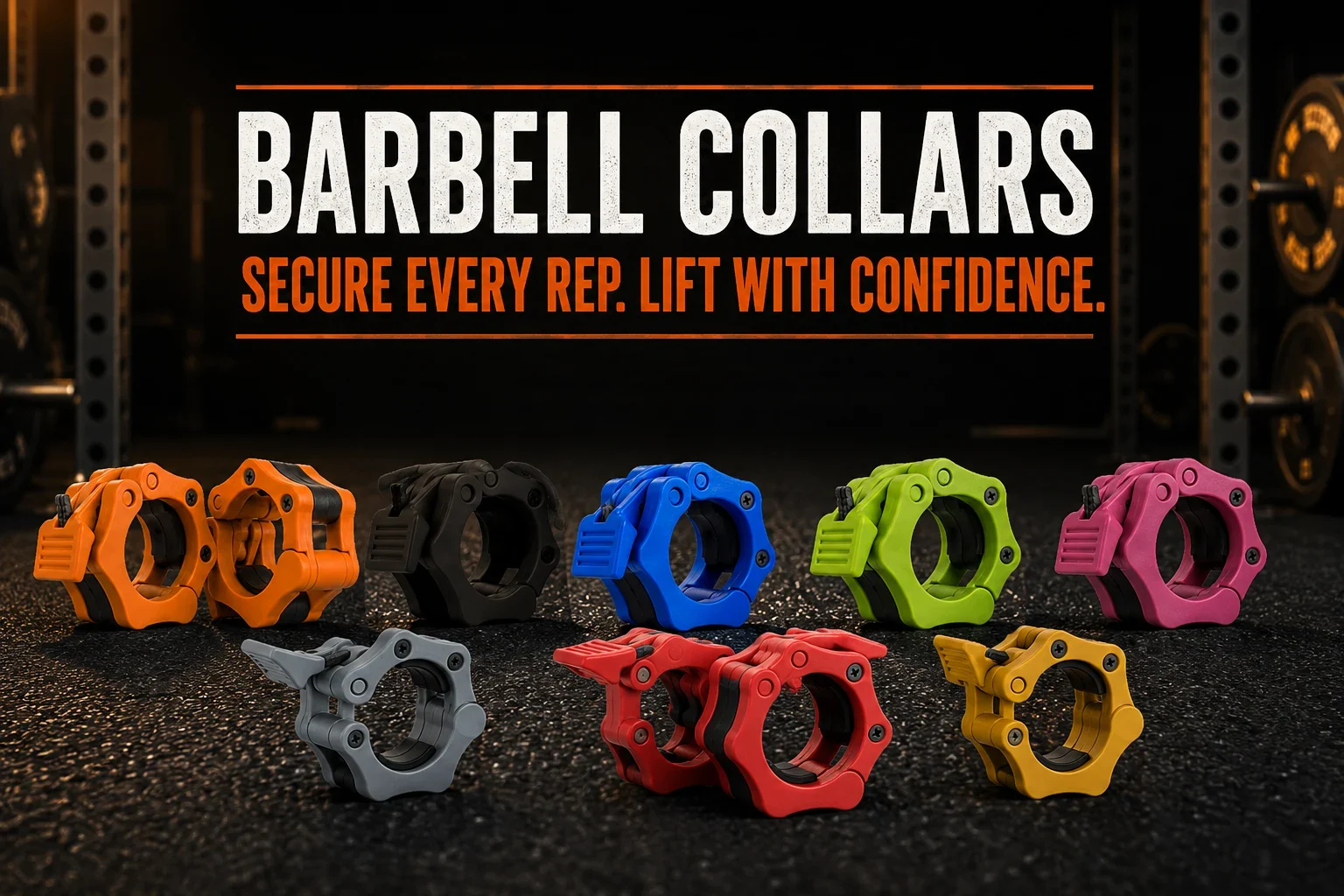
When Do Barbell Collars Matter Most? Olympic Lifts, Deadlifts and Fast Plate Changes
Barbell collars are one of the simplest pieces of gym equipment, but they play an important role in keeping weight plates securely positioned during training.
Whether you're performing Olympic lifts, heavy deadlifts, strength training or fast-paced workouts with repeated plate changes, the right collars help keep plates from moving unnecessarily along the sleeves of the barbell.
While some exercises can be performed without collars in certain situations, many lifters choose to use them as part of their normal training setup.
This guide explains when barbell collars matter most, the different types available and how to choose the right collars for your training.
What Are Barbell Collars?
Barbell collars are locking devices that fit onto the sleeves of a barbell to help keep weight plates in position during lifting.
They are commonly used on:
• Olympic barbells
• Training barbells
• Deadlift bars
• Squat bars
• EZ curl bars
• Technique bars
• Some specialty bars
Most modern collars use a quick-lock lever mechanism, while older styles often use spring clips or threaded locking systems.
What Do Barbell Collars Do?
The purpose of a collar is simple.
It helps reduce unwanted movement of the weight plates along the sleeve of the barbell.
Depending on the exercise, this may help:
• Keep plates positioned consistently
• Reduce plate movement during dynamic lifts
• Speed up equipment setup
• Make repeated plate changes quicker
• Provide a more consistent training setup
Barbell collars do not improve lifting technique or replace proper loading of the bar.
Their role is simply to help secure the plates during training.
When Do Barbell Collars Matter Most?
Some exercises place very little movement on the plates, while others involve rapid acceleration, dropping the bar or repeated changes of direction.
The more dynamic the movement, the more important properly fitted collars generally become.
Olympic Weightlifting
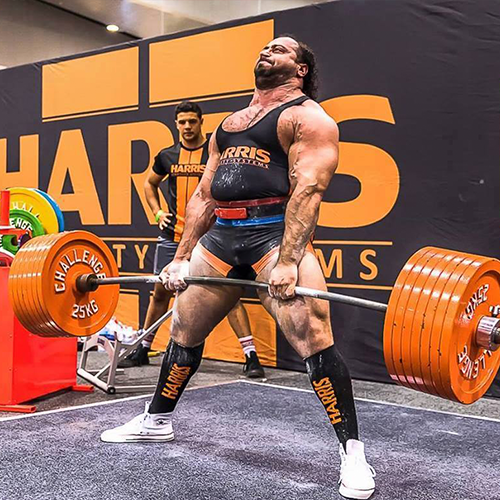
Olympic lifts are one of the most common reasons lifters use quality collars.
Exercises include:
• Snatch
• Clean
• Clean and jerk
• Power clean
• Power snatch
• Hang clean
• Hang snatch
These movements involve:
• Rapid acceleration
• High bar speed
• Catching the bar
• Dropping the bar
• Repeated impacts
Quality collars help keep plates positioned throughout repeated lifts.
For Olympic lifting, quick-lock collars are generally preferred over basic spring clips because they are fast to install and remove between training sets.
Deadlift Training
Deadlifts create less plate movement than Olympic lifts, but collars can still be useful.
Many lifters use collars during:
• Heavy deadlifts
• Deficit deadlifts
• Romanian deadlifts
• Rack pulls
• Block pulls
Others may choose not to use collars during certain deadlift sessions.
Whether collars are used often comes down to:
• Training environment
• Type of plates
• Amount of plate movement
• Personal preference
• Competition preparation
If plates regularly shift during setup or repeated repetitions, collars may help maintain consistent plate position.
Squats
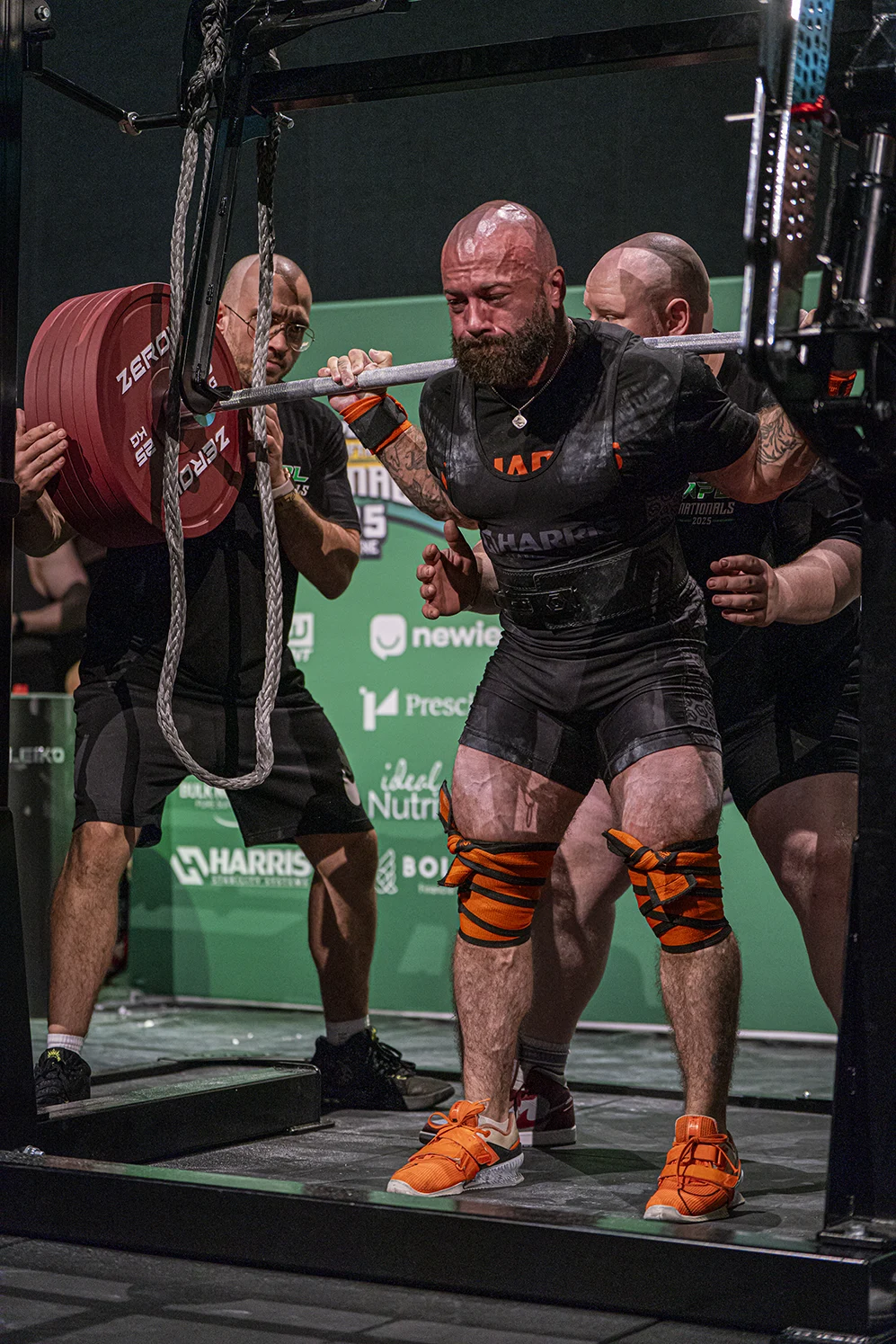
Barbell collars are commonly used during squats because the bar remains loaded across multiple repetitions.
They may be useful during:
• Back squats
• Front squats
• Box squats
• Pause squats
• Safety bar squats
Keeping plates securely positioned can help maintain a consistent setup throughout the session.
Bench Press
Bench press creates relatively little side-to-side plate movement.
However, many lifters still use collars to keep the plates securely positioned throughout the lift.
This is particularly common during:
• Heavy bench press
• Close-grip bench
• Incline bench
• Board press
Strongman Training
Strongman training often uses a variety of implements and bars.
Quick-lock collars may be useful during:
• Axle bars
• Log training
• Strongman barbells
• Frame deadlifts
• Carry events
• Event medleys
Always check competition rules, as some events specify what equipment can be used.
CrossFit and Functional Fitness
CrossFit workouts often involve repeated plate changes.
Quick-release collars allow athletes to:
• Change weights quickly
• Spend less time adjusting equipment
• Move efficiently between workouts
This is one reason lock collars have become popular in functional fitness gyms.
Home Gym Training
Home gym owners often appreciate quality collars because they are used across every session.
Good collars can save time over years of training by making loading and unloading the bar quicker and more consistent.
Lock Collars vs Spring Clips
The two most common collar styles are spring clips and lock collars.
|
Feature |
Spring Clips |
|
|---|---|---|
|
Installation |
Quick |
Slower |
|
Removal |
Quick |
Moderate |
|
Plate security |
Secure |
Varies |
|
Frequent plate changes |
Excellent |
Less convenient |
|
Home gym use |
Excellent |
Common |
|
Olympic lifting |
Popular |
Less common |
Many modern strength gyms use lock collars because they are simple and fast to operate.
Fast Plate Changes
One of the biggest advantages of lock collars is speed.
They can be useful when:
• Running supersets
• Coaching multiple athletes
• CrossFit workouts
• Strongman sessions
• Group training
• Home gym workouts
Quick plate changes reduce interruptions and allow training to flow more smoothly.
What Makes a Good Barbell Collar?
Important features include:
Secure Locking Mechanism
The collar should fasten firmly without excessive movement.
Quick Operation
A good collar should be fast to install and remove.
Durable Construction
Repeated loading and unloading places wear on collars.
Quality materials help improve durability.
Compatibility
Always ensure the collar matches the diameter of your barbell sleeves.
Most Olympic barbells use 50mm sleeves.
Common Buying Mistakes
Buying the Wrong Size
Not all collars fit every bar.
Always confirm the sleeve diameter.
Choosing Cheap Plastic Clips
Very inexpensive collars may not hold as securely as better-designed locking collars.
Ignoring Ease of Use
A collar that is frustrating to remove soon becomes annoying during training.
Forgetting Your Training Style
Someone changing plates every few minutes has different needs from someone performing one heavy squat session.
Choose accordingly.
The Harris Barbell Lock Collar range is designed for Olympic barbells and regular strength training.
Quick-lock operation makes them suitable for:
-
Olympic lifting
-
Powerlifting training
-
General strength work
-
Functional fitness
-
Home gyms
The Barbell Lock Collar – Orange provides the same practical functionality with a high-visibility finish.
Frequently Asked Questions
Do I need collars for deadlifts?
Many lifters use them, while others choose not to depending on the exercise and training environment.
Are collars required for Olympic lifting?
Quality collars are commonly used because Olympic lifts involve rapid movement and repeated impacts.
Are lock collars better than spring clips?
Many lifters prefer lock collars because they are faster to install and remove.
Do collars fit every barbell?
No. Always check the sleeve diameter before purchasing.
What size barbell do Olympic collars fit?
Most Olympic collars are designed for 50mm Olympic barbell sleeves.
Can I use collars in a home gym?
Yes. They are commonly used in home gyms because they make loading and unloading faster and help keep plates securely positioned.
Final Thoughts
Barbell collars are a simple but valuable part of a well-equipped gym.
They help keep weight plates positioned securely during training and can make loading, unloading and changing weights faster and more convenient.
For Olympic lifting, CrossFit, strength training and home gym use, quality lock collars offer quick operation and reliable plate retention.
The Harris Barbell Lock Collar range is designed to suit Olympic barbells used for regular strength training, while the Barbell Lock Collar – Orange provides the same functionality in a high-visibility finish.
Choose collars that fit your bar correctly, lock securely and suit the type of training you perform most often.