When Do Smelling Salts Make Sense for Heavy Lifts and Competition?

When Do Smelling Salts Make Sense for Heavy Lifts and Competition?
Smelling salts are commonly used by some strength athletes immediately before heavy lifts or competition attempts.
They are not an essential piece of lifting equipment, and many lifters choose not to use them at all. Whether they are appropriate depends on the individual, the training environment and the rules of the competition.
This guide explains when smelling salts are commonly used and when they may be unnecessary.
What Are Smelling Salts?
Smelling salts typically contain ammonia compounds that produce a strong vapour when opened.
They are used by some powerlifters, strongman athletes and strength competitors immediately before selected lifts.
Smelling salts should always be used according to the manufacturer's instructions.
When Are Smelling Salts Commonly Used?
Some lifters choose to use smelling salts during:
• Heavy single attempts
• Maximum-effort training lifts
• Powerlifting competitions
• Strongman competitions
• Record attempts
Many athletes reserve them for only a small number of lifts rather than using them throughout an entire session.
Competition Day
Some competitors keep smelling salts for their heaviest attempts during competition.
Competition rules and venue policies can vary, so athletes should always check whether smelling salts are permitted before using them.
Heavy Training Sessions
Some lifters also choose to use smelling salts during maximum-effort training sessions.
They are generally not used for:
• Warm-up sets
• Technique work
• Light training
• High-volume sessions
Many athletes reserve them for planned top attempts rather than routine lifting.
When Smelling Salts May Not Be Necessary
Many lifters complete their entire training without smelling salts.
They are optional equipment and are not required for effective strength training.
They should not replace:
• Proper warm-ups
• Good lifting technique
• Appropriate programming
• Adequate recovery
Common Mistakes
Common mistakes include:
• Using smelling salts before every set
• Using them for light training
• Ignoring competition rules
• Using them without following the manufacturer's directions
• Treating them as a substitute for good training habits
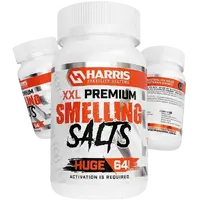
Harris Smelling Salts
The Harris Smelling Salts Individual is intended for lifters who choose to include smelling salts as part of their training or competition routine.
Always use the product according to the supplied directions and store it safely when not in use.
Frequently Asked Questions
Do I need smelling salts?
No. They are optional and many lifters never use them.
Are smelling salts only used in competition?
No. Some athletes also use them during selected heavy training attempts.
Should smelling salts be used for every set?
Most athletes who use them reserve them for specific heavy lifts rather than every set.
Are smelling salts allowed in competition?
Rules vary between competitions and organisers. Always check before competing.
Can beginners use smelling salts?
Most beginners can complete their training without them. Developing sound technique and consistent training habits should remain the priority.
Final Thoughts
Smelling salts are an optional training accessory used by some strength athletes during heavy lifts and competition attempts.
They are generally reserved for selected lifts rather than routine training and should never replace good programming, technique or preparation.
If you choose to use smelling salts, follow the manufacturer's instructions and check any competition rules that may apply.