What to Look for in a Gym Singlet for Strength Training and General Gym Use

For plenty of Australian lifters, the right choice is not the stiffest option on the shelf. It is the one that fits the way they actually train. What to Look for in a Gym Singlet for Strength Training and General Gym Use is really a question of timing, restraint, and knowing when a tool genuinely improves the session. For lifters comparing lightweight training tops for comfort, movement, and durability, that judgement matters more than buying the tool itself.
The right choice becomes clearer once you match the gear to the training problem it needs to solve. When the context is right, gym singlets can make the session feel cleaner and more confident. When the context is wrong, they usually add noise or become a crutch.
That is why scenario-based thinking is useful. It keeps the decision tied to real training moments instead of forcing the same answer onto every athlete and every session.
Why this gym singlet decision shows up more often than most lifters expect
This situation shows up because training stress rises faster than most buying decisions do. Lifters often realise they need a different tool only once the weight is already heavy, the session is already long, or the event is already close.
That is why context matters so much. The same choice can be smart in one setting and unnecessary in another, depending on how much the session asks of you and what problem you are really trying to solve.
In other words, the right answer is rarely yes or no forever. It is more often yes for this moment, this task, and this type of demand.
That mindset is useful because it keeps the product in its proper place. It becomes part of a deliberate setup rather than the centre of the whole session.
When heavy upper-body sessions where restrictive fabric gets annoying fast
This is one of the clearest moments where the decision makes sense: heavy upper-body sessions where restrictive fabric gets annoying fast. In that setting, the right tool often improves consistency, confidence, or control exactly where the session becomes least forgiving.
The key is still using it with intent. If the benefit is obvious and repeatable, it is probably the right moment. If the benefit feels theatrical or unnecessary, it probably is.
That is also where honest self-assessment matters. Ask whether the tool is solving the real limit, or whether you are trying to patch over a different issue such as setup, pacing, grip, positioning, or rushed decision-making.
Used well, a scenario-specific tool gives you clarity. Used poorly, it creates more dependence than confidence.
When hot-weather or high-volume training where airflow matters
This is one of the clearest moments where the decision makes sense: hot-weather or high-volume training where airflow matters. In that setting, the right tool often improves consistency, confidence, or control exactly where the session becomes least forgiving.
The key is still using it with intent. If the benefit is obvious and repeatable, it is probably the right moment. If the benefit feels theatrical or unnecessary, it probably is.
That is also where honest self-assessment matters. Ask whether the tool is solving the real limit, or whether you are trying to patch over a different issue such as setup, pacing, grip, positioning, or rushed decision-making.
Used well, a scenario-specific tool gives you clarity. Used poorly, it creates more dependence than confidence.
When lifters who want one reliable top that still looks tidy after repeated use
This is one of the clearest moments where the decision makes sense: lifters who want one reliable top that still looks tidy after repeated use. In that setting, the right tool often improves consistency, confidence, or control exactly where the session becomes least forgiving.
The key is still using it with intent. If the benefit is obvious and repeatable, it is probably the right moment. If the benefit feels theatrical or unnecessary, it probably is.
That is also where honest self-assessment matters. Ask whether the tool is solving the real limit, or whether you are trying to patch over a different issue such as setup, pacing, grip, positioning, or rushed decision-making.
Used well, a scenario-specific tool gives you clarity. Used poorly, it creates more dependence than confidence.
What usually goes wrong when people rush gym singlets choices
The most common mistakes are buying purely on appearance without checking movement and fit and assuming any tank will feel the same under load, and ignoring how fabric and cut behave after repeated washing. Those habits usually make the tool feel less useful over time, not more useful.
Most of the time, the issue is not the product. It is poor timing, too much reliance, or confusion about the actual role the product should play in the session. CrossFit
That matters because even good gear starts to feel disappointing when it is used to solve the wrong problem.
The quickest way to improve the outcome is normally to become more selective, not more dependent.
A helpful way to sanity-check the choice is to picture the exact set where you want the benefit to appear. If you cannot describe that moment clearly, keep comparing inside Gym Singlets until the use case feels more obvious.
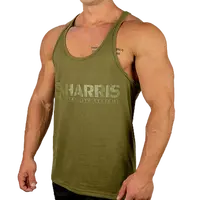
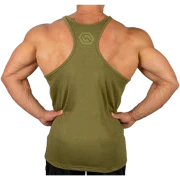
It also helps to compare the main Gym Singlets route with one related alternative and one product-level option. That three-step view usually shows whether you need broader flexibility, a narrower match, or a completely different tool altogether. Harris Gym Singlet Army Green
The best purchase is usually the one that still feels sensible after the hardest set of the day and after the third session of the week. That is why feel, repeatability, and honest use case matter more than aggressive marketing language.
Done well, this kind of decision support saves more than money. It saves training momentum, because the right gear tends to settle into the routine quickly instead of becoming something you constantly second-guess.
A better way to handle gym singlets
Choose a singlet that stays comfortable, moves freely, and keeps its shape through hard training weeks. That approach keeps the main training goal clear while still letting the tool do the job it was chosen for.
If that sounds closer to what you need, start with the broader Gym Singlets range, then compare the individual options and related resources from there. That gives you a setup that matches the work you are actually doing each week. Harris Sublimation Gym Singlet: Premium Custom Sportswear
Used that way, the decision stays calm and purposeful, which is usually when support gear helps most.
It also means the next internal step is obvious: read the closely related comparison or category guide that helps you decide whether this is really the right tool for the next phase of training.