
Soft Lifting Belt Australia | Nylon & Neoprene Belt Guide
Author: Harris Stability Systems Last Updated: 7 September 2026

What Is a Soft Lifting Belt and Who Is It Best For?
Not every lifter needs a rigid leather powerlifting belt.
For many training styles, a soft lifting belt provides a practical balance between support, comfort and freedom of movement. Whether you're completing CrossFit workouts, strongman training, bodybuilding sessions or general strength work, a soft belt can offer the structure you need without the bulk and rigidity of a traditional leather belt.
This guide explains what a soft lifting belt is, how it differs from a leather belt and how to decide whether it's the right choice for your training.
What Is a Soft Lifting Belt?
A soft lifting belt is a weightlifting belt made from flexible materials such as nylon, neoprene or a combination of both.
Unlike traditional leather powerlifting belts, soft belts are designed to move more naturally with the body while still providing a surface to brace against during lifting.
Most soft lifting belts feature:
• Nylon or neoprene construction
• Hook-and-loop (Velcro) fastening
• Adjustable fit
• Lightweight design
• Flexible construction
• Quick on-and-off adjustment
Rather than trying to replicate the feel of a competition powerlifting belt, soft lifting belts are designed for versatility across a wide range of training styles.
What Does a Soft Lifting Belt Do?
A soft lifting belt provides a surface for the lifter to brace their abdominal muscles against during lifting.
Many lifters choose a soft belt because it offers:
• A comfortable fit
• Flexible support
• Quick adjustment between exercises
• Less restriction during movement
• A lighter alternative to leather belts
Because the belt is flexible, it generally feels less restrictive during movements that involve frequent bending, twisting or changing positions.
Like any lifting belt, a soft belt should complement good lifting technique rather than replace it.
Soft Belt vs Leather Belt
The biggest difference between soft lifting belts and leather belts is stiffness.
Leather belts are designed primarily for heavy strength training and powerlifting, while soft belts prioritise comfort and versatility.
|
Feature |
||
|---|---|---|
|
Material |
Nylon or neoprene |
Leather |
|
Flexibility |
High |
Low |
|
Comfort |
High |
Firmer fit |
|
Adjustment |
Quick |
Slower |
|
Weight |
Lightweight |
Heavier |
|
Best suited to |
Mixed training |
Heavy strength work |
Neither style is better.
The right belt depends on how you train.
Who Are Soft Lifting Belts Best For?
Soft lifting belts are popular with lifters who perform varied training sessions rather than one heavy lift for the entire workout.
They may suit:
• CrossFit athletes
• Functional fitness training
• General gym training
• Bodybuilding
• Strongman training
• Conditioning sessions
• Olympic lifting accessories
• Circuit training
They are also popular with lifters who remove and replace their belt several times throughout a workout.
Soft Lifting Belts for CrossFit
CrossFit workouts often involve frequent transitions between exercises.
A session might include:
• Deadlifts
• Box jumps
• Pull-ups
• Cleans
• Wall balls
• Rowing
• Running
Because movements change quickly, many athletes prefer a belt that can be tightened or loosened within seconds.
A soft lifting belt allows quick adjustments without needing to undo a lever or reposition a prong.
Its flexible construction may also feel more comfortable during movements that require greater mobility.
Soft Lifting Belts for Strongman
Not every strongman session requires a rigid leather belt.
During event training, athletes may move between:
• Sandbags
• Farmers carries
• Yoke walks
• Loading events
• Keg carries
• Conditioning work
Some athletes prefer a soft belt during these sessions because it allows greater movement while still providing a surface to brace against.
Many strongman athletes own both a leather belt and a soft belt, choosing the one that best suits the event being trained.
Soft Lifting Belts for Bodybuilding
Bodybuilders often perform long training sessions involving multiple exercises.
A flexible belt may be more comfortable across:
• Machine work
• Dumbbell exercises
• Cable movements
• Moderate barbell work
• Higher repetition training
Rather than constantly removing a heavy leather belt, some lifters prefer wearing a soft belt throughout much of the session.
Soft Lifting Belts for General Strength Training
General gym lifters often perform a mixture of compound and isolation exercises.
A soft belt may be useful during:
• Squats
• Deadlifts
• Overhead press
• Rows
• Lunges
• Machine exercises
Because the belt is lightweight and easy to adjust, it adapts well to sessions that involve different lifting styles.
Most soft lifting belts are made from nylon, neoprene or a combination of both.
Nylon Belts
Nylon belts are commonly chosen because they are:
• Lightweight
• Durable
• Flexible
• Quick drying
• Easy to adjust
The Harris True Core Nylon Lifting Belt is designed for lifters who want a practical belt for varied strength training.
Neoprene belts generally provide:
• A softer feel
• Additional cushioning
• Flexible support
• Comfortable fit
• Close contact around the torso
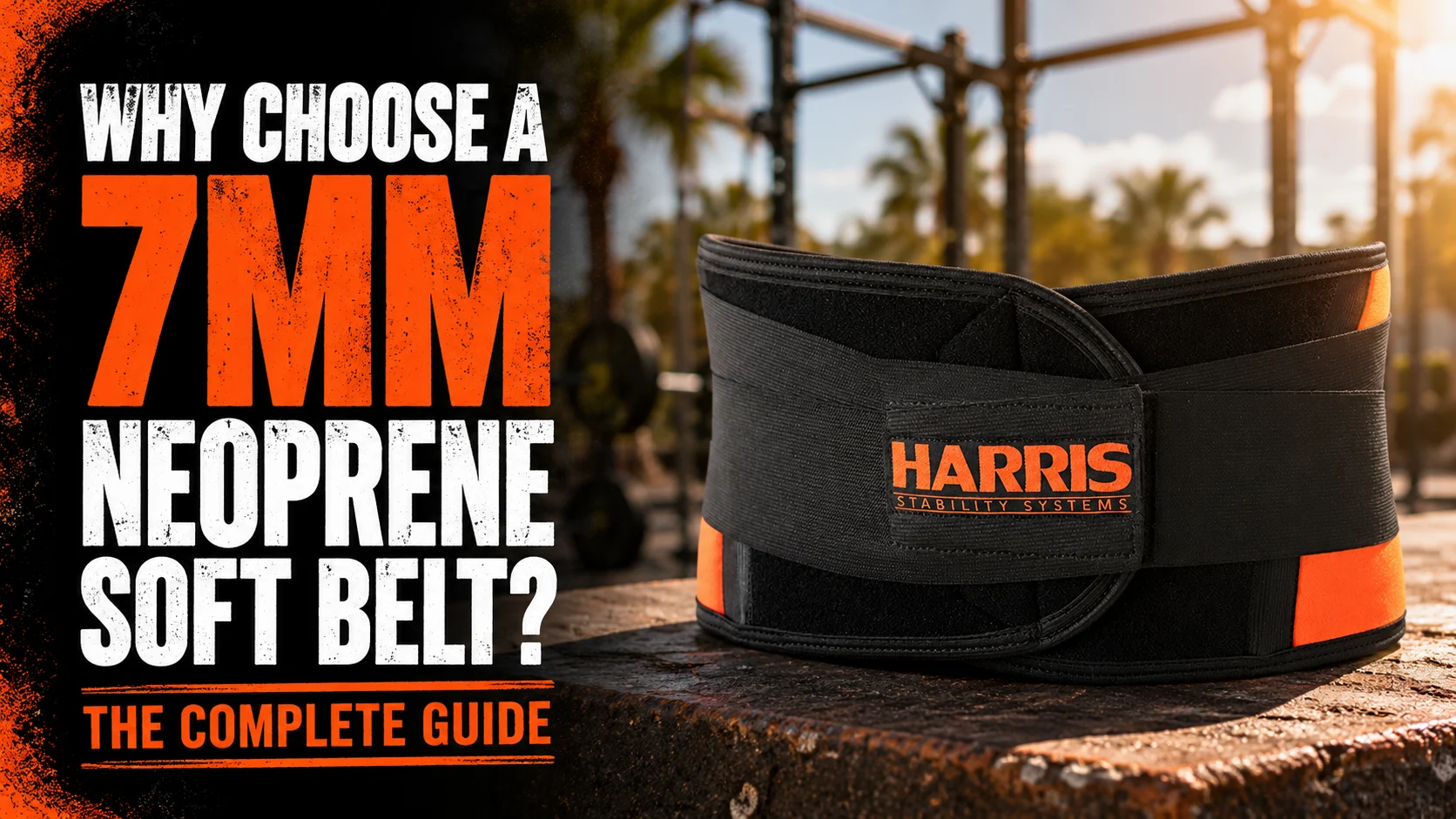
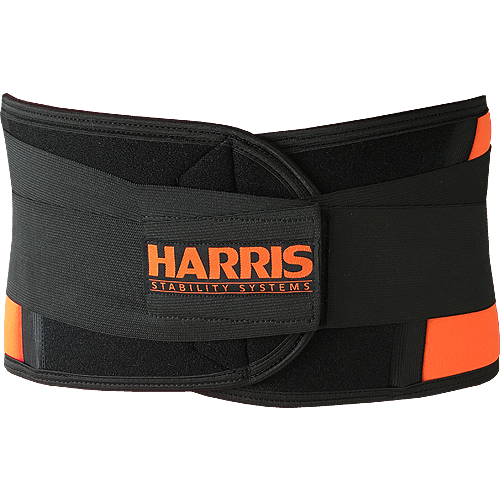
The Harris 7mm Neoprene Soft Belt offers a thicker, padded option for lifters who prefer additional comfort during training.
Neither material is universally better.
The choice comes down to personal preference and training style.
Soft Belt vs Powerlifting Belt
Powerlifting belts are built primarily for heavy squats, bench press and deadlifts.
Soft belts are designed for broader training applications.
A powerlifting belt may be more appropriate if you regularly perform:
• Heavy squats
• Heavy deadlifts
• Competition powerlifting
• Maximum strength training
A soft belt may be more suitable if your workouts involve:
• Multiple exercises
• Frequent movement
• Conditioning work
• Functional fitness
• General strength training
Many experienced lifters own both.
What Makes a Good Soft Lifting Belt?
When comparing soft lifting belts, consider:
Comfortable Materials
The belt should feel comfortable against the body without excessive rubbing or stiffness.
Secure Fastening
A quality hook-and-loop closure should remain secure throughout training while still allowing quick adjustments.
Suitable Width
The belt should provide enough surface to brace against without interfering with your ribs or hips.
Durable Construction
Strong stitching and quality materials help the belt withstand repeated use.
Easy Adjustment
One of the biggest advantages of soft belts is fast adjustment between exercises.
A belt that is difficult to tighten or loosen loses much of that benefit.
Common Buying Mistakes
Buying the Cheapest Belt
Price alone should not determine your choice.
Construction quality, fit and comfort often make a greater difference over time.
Wearing the Belt Too Loose
A lifting belt should fit securely enough to brace against.
If it moves excessively during lifting, it may not provide the intended support.
Assuming Soft Means Weak
Soft belts are designed differently—not necessarily poorly.
Their flexibility is an intentional feature that suits many training styles.
Should Beginners Use a Soft Belt?
A beginner does not automatically need a lifting belt.
However, a soft belt can be a practical introduction for lifters who:
• Are learning to brace effectively
• Perform varied gym workouts
• Prefer lighter equipment
• Do not intend to compete in powerlifting
Learning proper lifting technique should always remain the priority.
Frequently Asked Questions
What is a soft lifting belt?
A soft lifting belt is a flexible weightlifting belt made from materials such as nylon or neoprene that provides a surface to brace against during lifting.
Are soft lifting belts good for CrossFit?
Yes. Their flexibility and quick adjustment make them popular for workouts involving multiple exercises.
Can you squat with a soft lifting belt?
Yes. Many lifters use soft belts during squats, particularly for general strength training and functional fitness.
Can you deadlift with a soft lifting belt?
Yes. Soft belts are commonly used for deadlifts, although some lifters prefer rigid leather belts for maximum strength work.
Are soft lifting belts good for bodybuilding?
Yes. Their comfort and flexibility suit long training sessions involving multiple exercises.
What is the difference between nylon and neoprene lifting belts?
Nylon belts are generally lighter and more structured, while neoprene belts often provide additional cushioning and flexibility.
Do soft lifting belts replace leather belts?
No. They are designed for different training styles, and many lifters own both.
Can beginners use soft lifting belts?
Yes, although beginners should focus on learning proper lifting technique before relying on any belt.
Final Thoughts
Soft lifting belts provide a flexible alternative to traditional leather lifting belts.
They are particularly popular with CrossFit athletes, strongman competitors, bodybuilders and general gym lifters who want a comfortable belt that can adapt to varied training sessions.
The Harris True Core Nylon Lifting Belt offers a lightweight, adjustable option for versatile strength training, while the 7mm Neoprene Soft Belt provides additional cushioning for lifters who prefer a softer feel.
Rather than choosing the most rigid belt available, choose the one that best suits how you train each week.