Weightlifting Gear Australia: Complete Guide for Performance
Author: Harris Stability Systems Last Updated: 20 August 2026

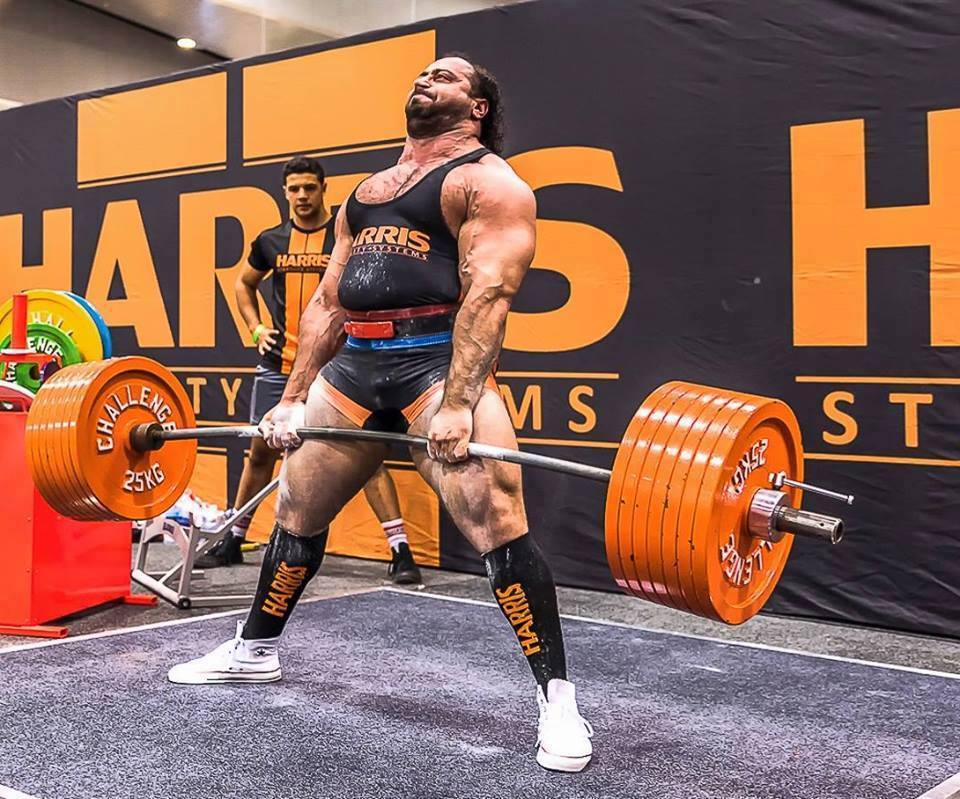
Weightlifting Gear Australia: A Complete Guide to Choosing the Right Equipment
Find the Right Training Gear for Your Strength Goals
Whether you're new to the gym or preparing for your next competition, the right training equipment can make your sessions more comfortable, consistent and organised.
From lifting belts and wrist wraps to knee sleeves and lifting straps, every piece of equipment has a specific purpose. Choosing the right gear depends on the type of training you do, the exercises you perform and your individual goals.
At Harris Stability Systems, we specialise in strength and powerlifting equipment built for serious training. This guide explains the most common types of weightlifting gear, when to use them and how to choose equipment that suits your lifting style.
What Is Weightlifting Gear?
Weightlifting gear includes the accessories and apparel commonly used during strength training to improve comfort, support and grip.
Some items are used during heavy compound lifts, while others help with training volume, competition preparation or general gym sessions.
Common examples include:
Lifting belts
Not every lifter needs every item. The best equipment is the equipment that suits your current training.
Essential Weightlifting Gear
A lifting belt provides a firm surface for your abdominal muscles to brace against during heavy compound lifts.
Belts are commonly used for:
• Squats
• Deadlifts
• Overhead press
• Strongman events
• Heavy strength training
Choosing the correct thickness, width and fastening system depends on your lifting style and experience.
Wrist wraps help support the wrist during pressing movements.
Many lifters wear them during:
• Bench press
• Overhead press
• Dumbbell pressing
• Strongman events
Different wrap lengths and stiffness levels suit different training preferences.
Knee sleeves provide compression and warmth around the knee.
They are popular for:
• Squats
• General leg training
• Powerlifting
• Strength training
Sleeves differ from knee wraps, which are designed for equipped lifting and maximum support.
Knee wraps are tightly wrapped around the knee before heavy squats.
They are generally used by expe rienced equipped powerlifters rather than everyday gym users.
Lifting Straps
Lifting straps improve your connection to the bar during pulling exercises.
They are commonly used for:
• Deadlifts
• Romanian deadlifts
• Rows
• Shrugs
• Pulling accessories
Many lifters use straps selectively when grip begins limiting the target muscles.
Chalk improves friction between the hands and the bar.
It is particularly useful during:
• Deadlifts
• Pull-ups
• Strongman events
• Heavy pulling sessions
Different gyms have different rules regarding chalk use, so always check before bringing it into the facility.
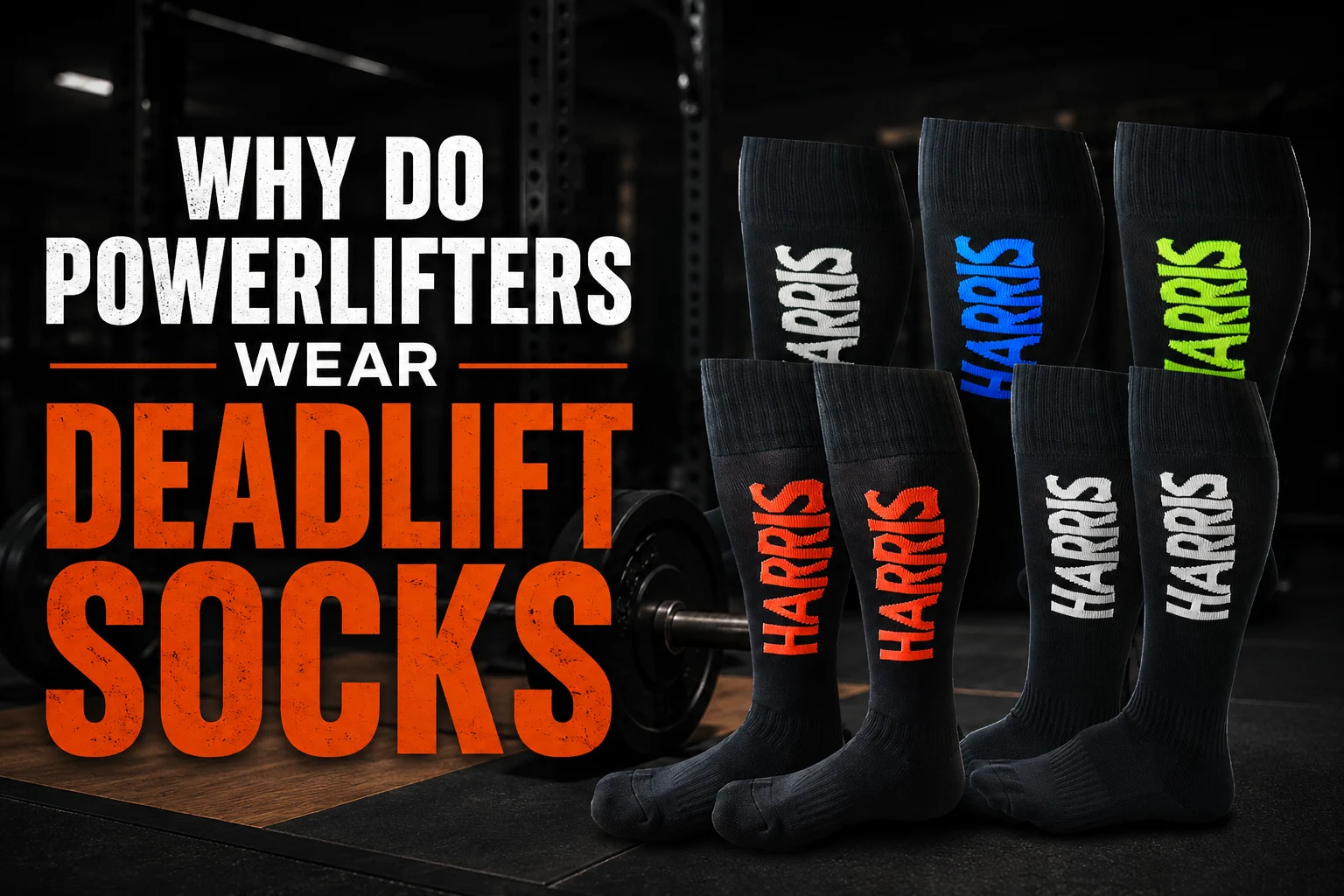
Deadlift socks protect the shins during deadlifts while also meeting the clothing requirements of many powerlifting federations.
They are commonly worn during:
• Competition
• Heavy deadlift sessions
• Block pulls
• Romanian deadlifts
Which Equipment Do You Actually Need?
The answer depends on your experience.
Beginners
Most new lifters only need:
• Comfortable training clothing
• Flat, stable footwear
• Chalk (where permitted)
Additional equipment can be added as training progresses.
Intermediate Lifters
As training becomes heavier, many lifters begin using:
• Lifting belts
• Wrist wraps
• Knee sleeves
• Lifting straps
These accessories become more useful as loads increase and training becomes more specialised.
Advanced Lifters
Experienced strength athletes often build their equipment around their sport.
This may include:
• Competition belts
• Premium wrist wraps
• Knee wraps
• Figure 8 straps
• Deadlift socks
• Competition apparel
Their equipment choices usually reflect the demands of their training program rather than simply owning more gear.
Choosing the Right Equipment
Before buying, ask yourself:
• What exercises do I perform most often?
• Am I training for general strength or competition?
• Is grip limiting my pulling exercises?
• Do I need equipment for support, comfort or competition rules?
• Will I use this regularly?
Buying equipment that matches your training is usually more valuable than purchasing every accessory available.
Quality Matters
Training equipment is used repeatedly under heavy loads.
When comparing products, consider:
• Construction quality
• Stitching
• Materials
• Durability
• Fit
• Comfort
• Ease of adjustment
Well-made equipment generally provides more consistent performance over time.
Common Buying Mistakes
Buying Everything at Once
Most lifters build their equipment collection gradually.
Start with the items that solve your biggest training limitation.
Choosing the Wrong Size
Whether you're buying a belt, knee sleeves or apparel, sizing is important.
Always use the manufacturer's sizing guide rather than guessing.
Following Someone Else's Setup
The equipment used by an elite powerlifter may not be necessary for someone training three days a week for general strength.
Buy equipment that suits your own goals.
Expecting Equipment to Do the Work
Training accessories support your program—they don't replace good technique, progressive overload or consistent practice.
Caring for Your Equipment
Looking after your equipment helps maximise its lifespan.
General care includes:
• Allowing belts and wraps to dry after training.
• Storing gear in a cool, dry place.
• Cleaning chalk residue when necessary.
• Checking stitching and seams regularly.
• Replacing worn equipment before it fails.
Always follow the care instructions provided for each product.
Frequently Asked Questions
What weightlifting gear should beginners buy first?
Most beginners only need stable footwear and comfortable training clothing. As training progresses, many lifters add a lifting belt, wrist wraps or knee sleeves.
Do I need a lifting belt?
Not for every exercise. Many lifters reserve belts for heavier compound movements such as squats and deadlifts.
Should I buy knee sleeves or knee wraps?
Knee sleeves are the more common choice for general strength training and raw powerlifting, while knee wraps are typically used in equipped lifting.
Are lifting straps worth buying?
They can be useful when grip fatigue limits deadlifts, rows or other pulling exercises.
Is chalk better than lifting straps?
They serve different purposes. Chalk improves grip by increasing friction, while straps reduce the amount of grip required during heavy pulling.
Can I use all my equipment on every lift?
Not necessarily. Most experienced lifters choose equipment based on the exercise and the goal of the session.
Why Choose Harris Stability Systems?
Harris Stability Systems specialises in equipment designed for strength athletes and powerlifters.
Our range includes:
Whether you're preparing for your first gym session or your next competition, you'll find equipment designed specifically for serious strength training.
Final Thoughts
The best weightlifting gear isn't about owning every accessory available—it's about choosing equipment that genuinely supports your training.
As your experience grows, your equipment needs will change. Starting with quality gear that matches your goals makes it easier to train consistently and build confidence over time.
Whether you're lifting for general fitness, powerlifting or strength sport, selecting the right equipment can help you get more from every session.