Soft Suit vs Gym Singlet | Powerlifting & Training Guide

Powerlifting Soft Suit vs Gym Singlet: What’s the Difference?
Understanding the Terminology
Soft suits, lifting singlets and gym singlets may sound similar, but they are not always referring to three different garments.
In strength sports, the terms soft suit, powerlifting singlet and lifting singlet are often used interchangeably. They generally describe a fitted, one-piece garment worn during powerlifting training and competition.
A gym singlet, however, is usually a sleeveless top designed for general training.
The main difference is straightforward:
• A powerlifting soft suit covers the torso and upper legs in one garment.
• A gym singlet covers the upper body only.
• A soft suit may be suitable for competition when it meets the relevant federation rules.
• A gym singlet is intended for everyday training and casual wear.
Understanding that distinction helps you choose the right garment for the setting in which it will be used.
What Is a Powerlifting Soft Suit?
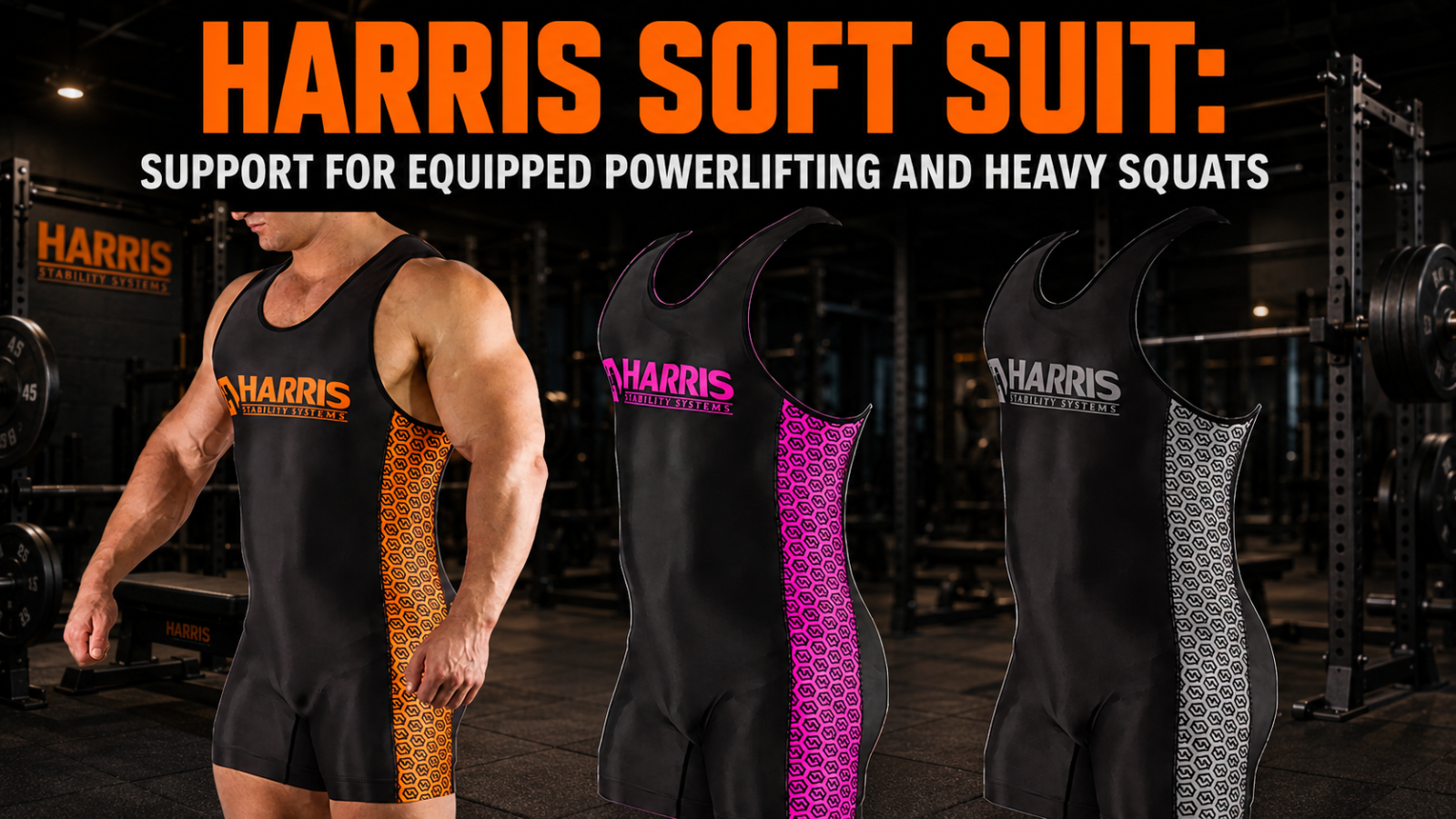
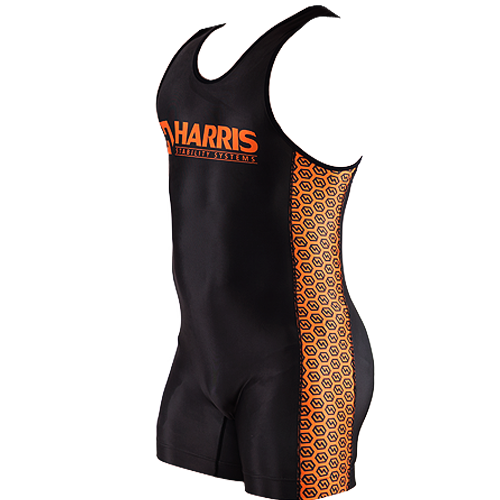
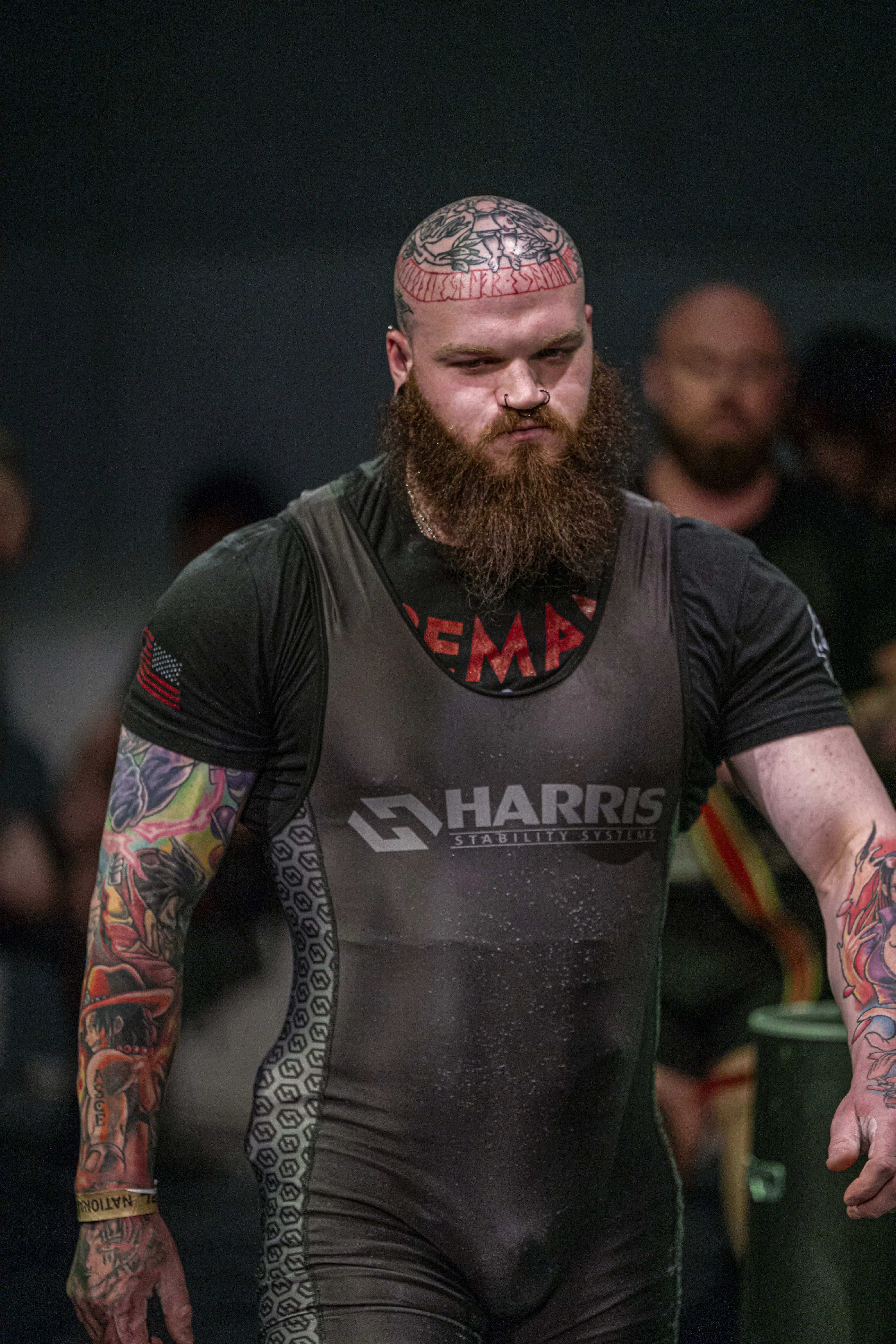
A powerlifting soft suit is a fitted, one-piece garment worn over the torso and upper legs.
It is commonly used for:
• Powerlifting competitions.
• Mock meets.
• Competition preparation.
• Squat, bench press and deadlift training.
• Testing how competition equipment fits together.
Despite the word “suit”, a soft suit is not the same as supportive equipped lifting gear.
A standard powerlifting soft suit is generally intended to provide coverage and allow officials to see the lifter’s body position. It should not be assumed to add mechanical assistance to the lift.
Is a Lifting Singlet the Same as a Soft Suit?
In most powerlifting contexts, yes.
The following terms are commonly used for the same general type of garment:
• Soft suit.
• Powerlifting singlet.
• Lifting singlet.
• Competition singlet.
There may be differences between individual products in fabric, cut, leg length and federation approval, but the basic garment category is usually the same.
This is important because shoppers may search for a “lifting singlet” while the Harris website lists the product under Soft Suits.
The article should explain that terminology clearly rather than suggesting that lifters need to choose between two completely different products.
What Is a Gym Singlet?
A gym singlet is a sleeveless training top.
Depending on its design, it may be worn for:
• Strength training.
• Bodybuilding.
• Functional fitness.
• Conditioning.
• General gym sessions.
• Casual wear.
Gym singlets usually prioritise comfort, airflow and freedom of movement.
They do not provide the same lower-body coverage as a powerlifting soft suit and are not a direct replacement for competition clothing.
Soft Suit vs Gym Singlet
|
Garment type |
One-piece suit |
Sleeveless top |
|
Coverage |
Torso and upper legs |
Upper body |
|
Main purpose |
Powerlifting training and competition |
General gym training |
|
Competition use |
May be permitted if rules are met |
Generally not suitable as competition attire |
|
Fit |
Usually close-fitting |
Fitted or relaxed |
|
Worn over underwear |
Yes |
Usually worn with shorts or tights |
|
Best suited to |
Powerlifters and strength competitors |
General gym users and lifters |
|
Everyday wear |
Less practical |
More versatile |
Choose a Soft Suit If You:
• Are entering a powerlifting competition.
• Need a one-piece lifting garment.
• Want to practise in the clothing you will wear on the platform.
• Are completing a mock meet.
• Want judges or coaches to see squat depth and body position clearly.
• Need a fitted garment that works with a lifting belt, knee sleeves or deadlift socks.
A soft suit is the appropriate starting point when competition requirements are the main concern.
Choose a Gym Singlet If You:
• Want a sleeveless top for everyday gym training.
• Are not preparing for a competition.
• Prefer to train in shorts, leggings or other bottoms.
• Want an option that can also be worn casually.
• Prioritise airflow and general comfort.
• Do not need a one-piece garment.
A gym singlet is usually the more practical option for regular training outside competition-specific sessions.
Can You Train in a Soft Suit?
Yes.
Many powerlifters wear their soft suit during selected training sessions before a competition.
This can help them check:
• Whether the fit remains comfortable.
• How the leg openings feel during squats.
• Whether the shoulder straps stay in place.
• How the suit works with a lifting belt.
• Whether knee sleeves, deadlift socks and other equipment fit comfortably with it.
You do not need to wear a soft suit for every session. General gym clothing is usually more convenient for ordinary training.
Can You Compete in a Gym Singlet?
A standard gym singlet would not normally satisfy powerlifting competition clothing requirements because it does not provide the required one-piece construction and lower-body coverage.
Competition rules vary, so athletes should always check the current rulebook for their federation.
Requirements may cover:
• Garment construction.
• Leg length.
• Strap design.
• Logos and branding.
• Supportive panels.
• Approved equipment lists.
• What can be worn underneath the suit.
Do not assume a garment is competition-approved based only on its appearance or product name.
What to Check When Buying a Soft Suit
Competition Rules
Confirm that the garment meets the requirements of the federation in which you compete.
Rules can change, so use the current federation information rather than relying on an old product description or social-media post.
Fit
A soft suit should fit closely enough for competition use without preventing normal movement.
It should allow you to:
• Reach squat depth.
• Set up comfortably on the bench.
• Reach the bar during deadlifts.
• Move without severe pulling at the shoulders.
• Wear any permitted clothing underneath.
Leg Length
Check where the legs finish and whether the length complies with your federation’s rules.
The legs should also remain in position rather than constantly rolling upwards.
Shoulder Straps
The straps should remain secure during lifting while still allowing comfortable upper-body movement.
Fabric and Stitching
Regular training and competition use can place stress on the seams.
Inspect:
• Stitching around the legs.
• Shoulder straps.
• Side seams.
• Fabric stretch.
• Printed or sublimated areas.
Sizing Method
Use the product-specific Harris sizing chart.
Depending on the garment, sizing may be based on:
• Bodyweight.
• Height.
• Chest measurement.
• Hip measurement.
• A combination of measurements.
Do not automatically choose the same size you wear in ordinary gym clothing.
What to Check When Buying a Gym Singlet
Training Fit
Decide whether you prefer:
• A relaxed fit.
• A fitted athletic cut.
• Larger arm openings.
• A longer or shorter body length.
Fabric
Consider how the material feels during warm or high-volume sessions.
Some athletes prefer lightweight performance fabric, while others prefer the feel of cotton.
Coverage
Armhole size, neckline and overall length can vary significantly.
Choose a design that provides the amount of coverage you are comfortable wearing during exercises such as bench press, rows and overhead work.
Intended Use
A gym singlet may be designed primarily for training, casual wear or a mixture of both.
Check the product description rather than assuming every sleeveless top has the same purpose.
Common Buying Mistakes
Treating Soft Suits and Lifting Singlets as Different Categories
In most powerlifting contexts, they are different names for the same basic garment.
Buying a Gym Singlet for Competition
A sleeveless training top is not normally a substitute for a one-piece competition soft suit.
Assuming Every Soft Suit Is Approved
A product can look like competition equipment without meeting every federation requirement.
Choosing Only by Bodyweight
Height, torso length, hip measurement and body shape may also affect fit.
Waiting Until Competition Day to Wear It
Test your soft suit before the meet so you know how it feels with the rest of your equipment.
Expecting a Soft Suit to Add Support
A standard non-supportive soft suit should not be confused with equipped powerlifting suits designed to provide mechanical assistance.
Soft Suit vs Equipped Lifting Suit
A soft suit and an equipped lifting suit are not the same.
|
Main purpose |
Competition clothing and coverage |
Supportive equipped lifting |
|
Construction |
Flexible, non-supportive fabric |
Very stiff supportive material |
|
Mechanical assistance |
Not intended to provide assistance |
Designed to influence the lift |
|
Fit |
Close-fitting |
Extremely tight and specialised |
|
Typical division |
Raw or equipped, depending on rules |
Equipped lifting |
|
Learning curve |
Relatively simple |
Significant technical learning required |
This distinction matters when shopping online because the word “suit” can refer to very different types of strength equipment.
Frequently Asked Questions
Is a soft suit the same as a powerlifting singlet?
Usually, yes. Both terms commonly describe the non-supportive one-piece garment worn in powerlifting.
Is a lifting singlet different from a soft suit?
Not generally. “Lifting singlet” is often another name for a soft suit or powerlifting singlet.
Can I wear a gym singlet in a powerlifting competition?
A standard sleeveless gym top would not normally replace a required one-piece soft suit. Check the rules of your federation.
Should I train in my soft suit before competition?
Yes. Wearing it during several training sessions can help you check the fit and make sure it works comfortably with your other equipment.
Should a soft suit be extremely tight?
It should be fitted, but it should still permit the movements required for squat, bench press and deadlift. Follow the product-specific sizing guidance.
Does a soft suit improve lifting performance?
A standard soft suit is primarily competition clothing. It should not be presented as providing the mechanical assistance associated with equipped lifting suits.
Can I wear a soft suit for ordinary gym training?
Yes, although many lifters reserve it for competition preparation, mock meets and selected training sessions.
Choosing Between the Two
Choose a powerlifting soft suit when you need:
• A one-piece competition garment.
• Platform-appropriate coverage.
• Competition-specific training clothing.
• A fitted garment for squat, bench press and deadlift.
Choose a gym singlet when you need:
• A comfortable sleeveless training top.
• Everyday gym apparel.
• Greater flexibility in what you wear on the lower body.
• Clothing that also works outside the gym.
They do not compete for exactly the same purpose. Many lifters will own both.
Final Thoughts
The most important distinction is not between a soft suit and a lifting singlet. Those terms commonly describe the same style of powerlifting garment.
The meaningful comparison is between a powerlifting soft suit and a gym singlet.
A soft suit is a fitted, one-piece garment intended for powerlifting training and competition. A gym singlet is a sleeveless top designed for general exercise and everyday wear.
Choose according to where the garment will be used, how it needs to fit and whether it must comply with competition rules.