Powerlifting Lever Belt Australia: 10mm vs 13mm Guide
Author: Harris Stability Systems Last Updated: 1 September 2026

Powerlifting Lever Belts Australia: How to Choose the Right Belt
Choosing a Lever Belt for Powerlifting
A lever belt is one of the most recognisable pieces of powerlifting equipment.
Its rigid construction gives the lifter a firm surface to brace against, while the lever mechanism allows the belt to be fastened and released quickly between sets.
However, not every lever belt will suit every athlete.
The right choice depends on factors such as:
• Belt thickness.
• Materials and construction.
• Lever quality.
• Sizing.
• Competition rules.
• Your preferred level of rigidity.
This guide explains what Australian lifters should consider before buying a powerlifting lever belt.
What Is a Powerlifting Lever Belt?
A powerlifting lever belt is a rigid lifting belt secured with a metal lever rather than a traditional buckle.
Once the lever has been adjusted to your preferred setting, it can be opened or closed in seconds.
This makes lever belts popular with powerlifters who want:
• A consistent fit.
• Fast fastening between sets.
• A firm surface for bracing.
• A belt designed for heavy squats and deadlifts.
Unlike many general gym belts, powerlifting lever belts commonly maintain the same width around the entire torso.
How a Lever Belt Supports Bracing
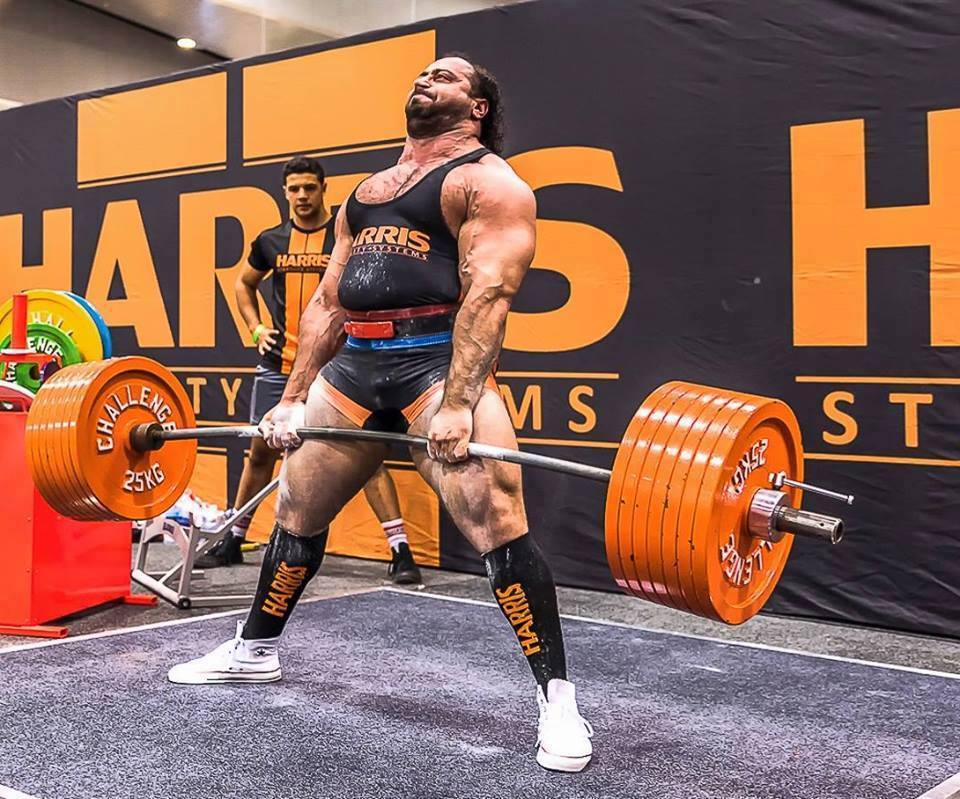
A lifting belt does not brace your torso for you.
Instead, it provides a firm surface that you can expand your abdomen, sides and back against when creating tension through your trunk.
Good belt use still depends on:
• Correct breathing.
• Effective bracing.
• Sound lifting technique.
• Appropriate belt placement.
• Sensible load progression.
A lever belt should support an established lifting setup rather than replace it.
Why Powerlifters Choose Lever Belts
Fast Fastening
A lever belt can be secured and released quickly once it has been adjusted.
This is especially convenient during heavy training sessions and competition attempts.
Consistent Tightness
The lever closes at the same setting each time, giving the lifter a repeatable fit.
Rigid Construction
Most powerlifting lever belts are made from layered leather or similar rigid materials.
This construction creates a firm surface for bracing during heavy compound lifts.
Long-Term Durability
A well-constructed belt can provide years of regular use when stored and maintained correctly.
Lever Belt vs Prong Belt
Lever belts and prong belts can both suit serious strength training.
The main difference is how they fasten and adjust.
|
Feature |
||
|---|---|---|
|
Fastening speed |
Very fast |
Slower |
|
Consistent setting |
Excellent |
Depends on buckle hole |
|
Small fit changes |
Requires lever adjustment |
Easy to change |
|
Ease between sets |
Excellent |
Good |
|
Best suited to |
Lifters using similar tightness |
Lifters changing tightness regularly |
Choose a lever belt when fast, repeatable fastening is a priority.
Choose a prong belt when you expect to change your belt tightness frequently between exercises or training phases.
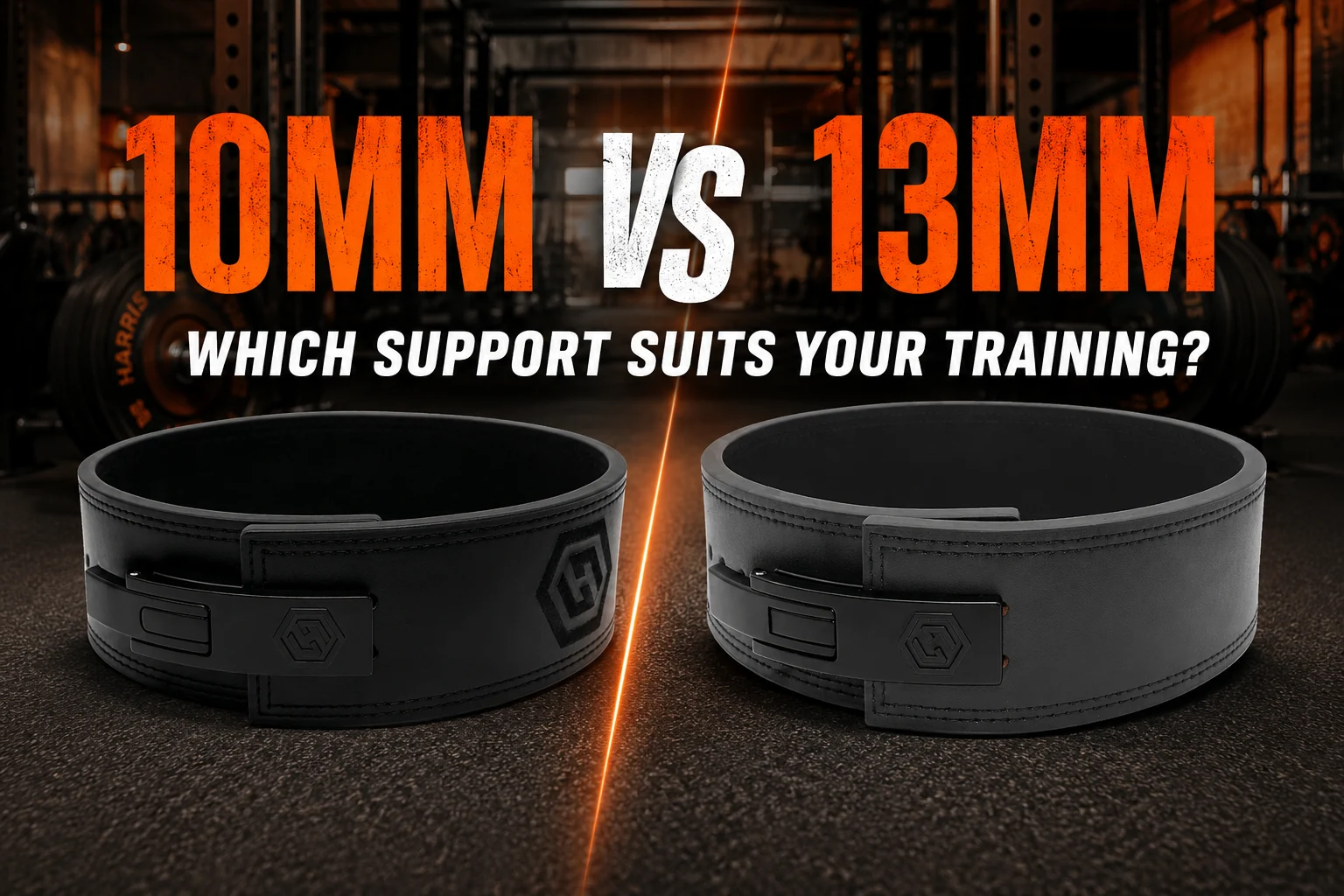
Choosing Between 10mm and 13mm
Thickness has a major influence on how a lever belt feels.
A 10mm lever belt generally offers a balance of rigidity and usability.
It may suit:
• Beginner and intermediate powerlifters.
• Lifters buying their first rigid belt.
• Athletes wanting one belt for squats and deadlifts.
• Lifters who find very stiff equipment uncomfortable.
A 13mm belt is typically more rigid.
It may suit:
• Experienced powerlifters.
• Athletes who prefer maximum stiffness.
• Heavy squat-focused training.
• Lifters already comfortable with rigid belts.
A thicker belt is not automatically the better choice. Body shape, torso length and personal comfort all influence which thickness works best.
What to Look for in a Lever Belt
Quality Construction
Look for layered materials, strong stitching and a consistent belt body.
Poor construction can lead to uneven support, premature wear or separation between layers.
Reliable Lever Hardware
The lever should open and close securely without excessive movement.
The screws should also be checked periodically, particularly after regular use.
Consistent Width
Powerlifting belts are generally the same width around the torso, providing an even surface for bracing.
Correct Sizing Range
Your waist measurement should fall comfortably within the belt’s available adjustment range.
Avoid selecting a size that places you at the smallest or largest possible setting.
Competition Suitability
Do not assume every lifting belt is permitted in every federation.
Check the current rules for:
• Belt width.
• Belt thickness.
• Construction.
• Approved equipment requirements.
Federation rules can change, so confirm them before competition.
How to Measure for a Lever Belt
Do not use your trouser size.
Measure around the area where you intend to wear the belt.
For an accurate measurement:
1. Wear your normal training clothing.
2. Stand in a relaxed position.
3. Wrap the measuring tape around your torso.
4. Keep the tape level.
5. Do not pull it excessively tight.
6. Compare the result with the product-specific sizing chart.
Ideally, your measurement should sit near the middle of the belt’s sizing range.
This provides room for minor changes in bodyweight and preferred tightness.
How Tight Should a Lever Belt Be?
A lever belt should feel firm while still allowing you to breathe and brace properly.
It should not cause:
• Numbness.
• Sharp pinching.
• Restricted breathing.
• Loss of normal lifting position.
You may need to experiment with both tightness and belt height.
Some athletes wear the belt slightly higher for deadlifts and lower for squats, while others keep the same position for both.
Who Should Choose a Lever Belt?
A lever belt may suit you if you:
• Train primarily for powerlifting.
• Regularly perform heavy squats and deadlifts.
• Prefer a rigid belt.
• Want fast fastening between sets.
• Use a relatively consistent belt setting.
• Are preparing for powerlifting competition.
A softer nylon belt may be more practical for functional fitness, mixed circuits or sessions requiring frequent adjustment.
Can Beginners Use Lever Belts?
Yes, although a beginner should first understand how to breathe and brace effectively.
A belt should complement good technique.
New lifters may find a 10mm belt easier to use than a very rigid 13mm model, but the correct choice depends on the individual.
Caring for a Lever Belt
To maintain your belt:
• Store it in a dry environment.
• Let it air after sweaty sessions.
• Avoid prolonged exposure to heat.
• Check the lever screws periodically.
• Keep the hardware clean.
• Do not soak or machine wash the belt.
• Avoid aggressively folding or rolling it.
A rigid belt should gradually become more comfortable through normal use without losing its supportive structure.
Frequently Asked Questions
Are lever belts good for powerlifting?
Yes. Lever belts are widely used for heavy powerlifting training because they provide a rigid belt body and fast, consistent fastening.
Is a 10mm or 13mm lever belt better?
Neither is better for everyone. A 10mm belt generally offers greater versatility, while a 13mm belt provides a more rigid feel.
Can I deadlift in a lever belt?
Yes. Many lifters use lever belts for deadlifts, although belt position and comfort vary between athletes.
Can lever belts be adjusted?
Yes. The lever can be repositioned using the mounting holes. This is useful after changes in bodyweight or preferred fit.
Are lever belts allowed in competition?
They are permitted in many competitions, but exact requirements vary between federations. Always check the current rules before competing.
How long should a lever belt last?
A quality lever belt can last for years with regular care, although lifespan depends on construction, frequency of use and storage conditions.
Why Choose Harris Lever Belts?
Harris Stability Systems supplies lifting equipment designed for Australian strength athletes.
The Harris lever belt range is built around:
• Rigid powerlifting-style construction.
• Reliable lever mechanisms.
• Durable materials.
• Options suited to serious training.
• Designs for different preferences and experience levels.
The best belt is not necessarily the stiffest or most expensive. It is the one that fits correctly, supports your preferred bracing style and suits the training you perform each week.
Final Thoughts
A powerlifting lever belt can be a valuable addition to heavy strength training, but choosing the correct model matters.
Consider:
• 10mm versus 13mm thickness.
• Your preferred belt rigidity.
• Lever quality.
• Correct sizing.
• Competition requirements.
• The exercises you perform most often.
For many Australian powerlifters, a well-fitted lever belt provides a consistent and convenient option for heavy squats, deadlifts and competition preparation.