Nylon vs Neoprene vs Leather Lifting Belts
Author: Harris Stability Systems Last Updated: 7 September 2026

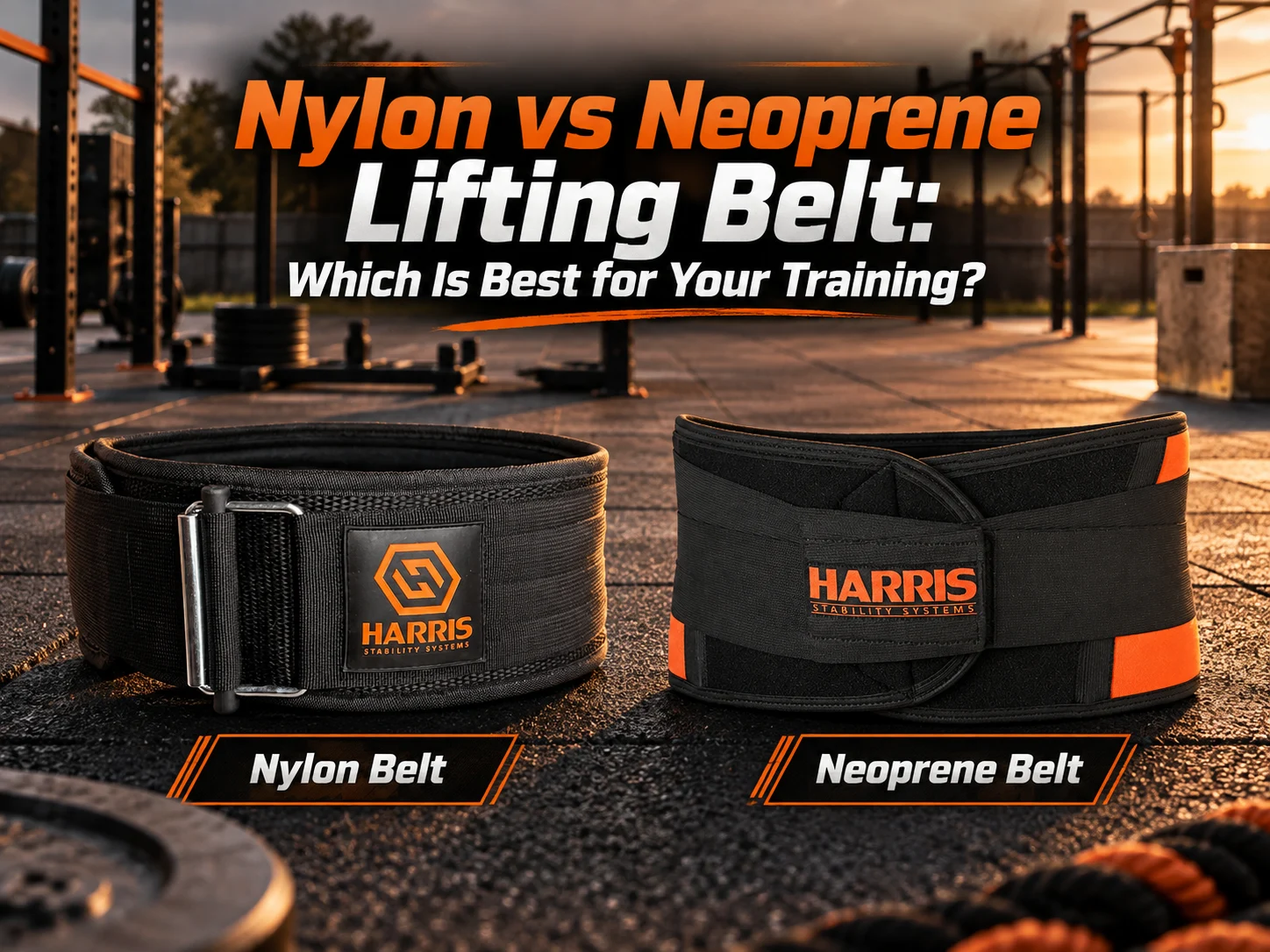
Nylon vs Neoprene Lifting Belts: Which Is Right for Your Training?
Choosing the Right Belt Material
Not every lifting belt is designed for the same purpose.
Some athletes need maximum support for heavy squats and deadlifts, while others want a lighter, more flexible belt for general strength training and functional fitness.
The material your belt is made from has a significant impact on how it feels, performs and suits your training style.
This guide compares nylon, neoprene and leather lifting belts to help you choose the right option for your goals.
Leather belts have long been the standard for serious strength training.
They're designed to provide a firm, consistent surface for bracing during heavy compound lifts.
Best For
Powerlifting.
• Heavy squats.
• Deadlifts.
• Strength-focused training.
• Competition preparation.
Advantages
• Excellent support.
• Durable construction.
• Consistent rigidity.
• Long service life with proper care.
Considerations
Leather belts are generally heavier and less flexible than soft lifting belts. Some lifters also find they require a short break-in period before becoming fully comfortable.
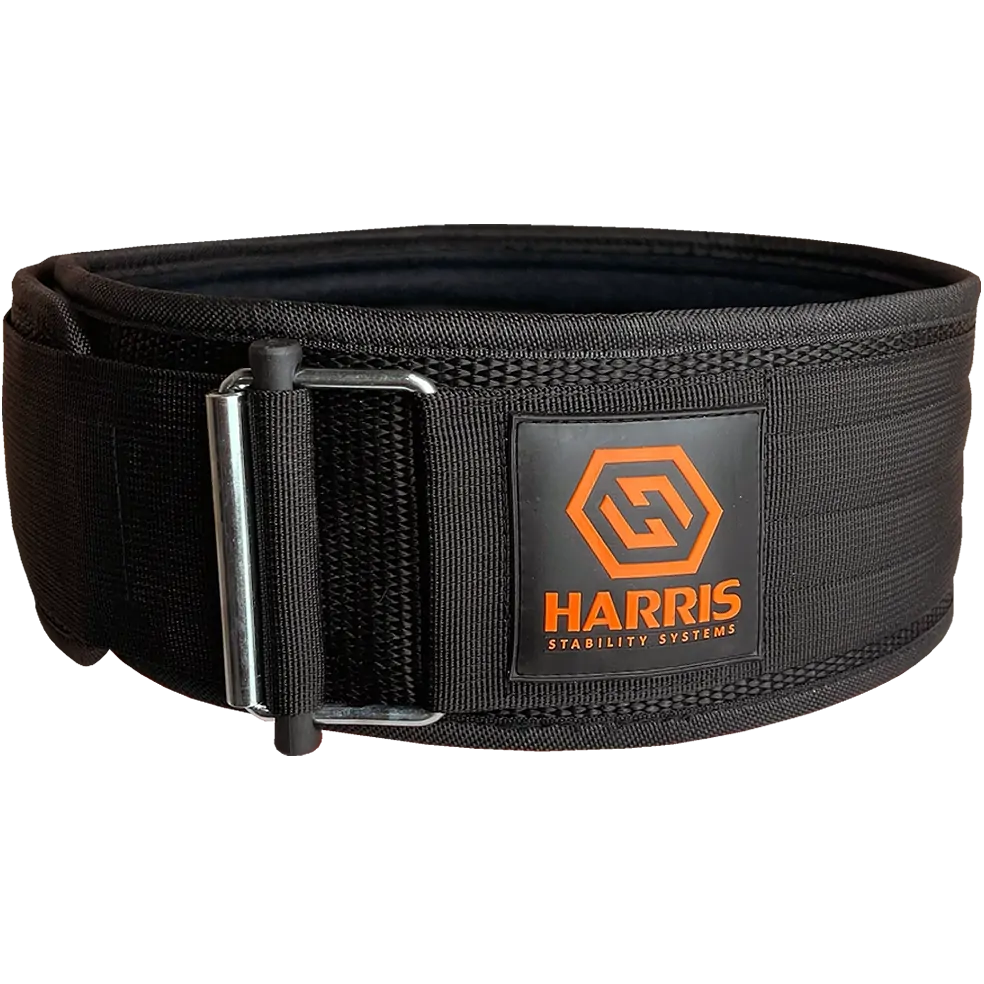
Nylon belts are lightweight and easy to adjust, making them a popular choice for mixed training styles.
Many athletes appreciate the quick fastening systems and comfortable fit.
Best For
• General strength training.
• Functional fitness.
• Circuit training.
• Everyday gym workouts.
Advantages
• Lightweight.
• Easy to adjust between exercises.
• Comfortable throughout longer sessions.
• Versatile for different training styles.
Considerations
Nylon belts typically provide less rigidity than leather belts during maximal lifting.
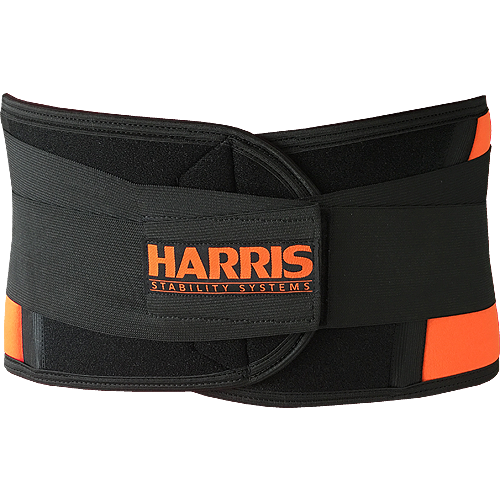
Neoprene belts offer a softer, cushioned feel while still providing support around the midsection.
They're often chosen by athletes looking for comfort during general training.
Best For
• General fitness.
• Machine-based training.
• Beginners.
• Everyday gym sessions.
Advantages
• Comfortable against the body.
• Flexible design.
• Lightweight.
• Easy to wear for extended workouts.
Considerations
Neoprene belts are generally not designed for the same level of rigidity as traditional leather powerlifting belts.
Comparing Belt Materials
|
Feature |
Leather |
Nylon |
Neoprene |
|---|---|---|---|
|
Support |
Excellent |
Good |
Moderate |
|
Flexibility |
Low |
High |
High |
|
Comfort |
Good |
Excellent |
Excellent |
|
Weight |
Heavy |
Light |
Light |
|
Adjustment |
Slower |
Very quick |
Quick |
|
Heavy Strength Training |
Excellent |
Good |
Moderate |
|
General Gym Training |
Good |
Excellent |
Excellent |
Which Belt Should You Choose?
Choose a Leather Belt If You:
• Focus on powerlifting.
• Regularly squat and deadlift heavy.
• Want maximum support.
• Compete or plan to compete.
• Prefer a rigid belt.
Choose a Nylon Belt If You:
• Perform a variety of strength exercises.
• Move between different stations quickly.
• Want a lighter, adjustable belt.
• Train in functional fitness or general strength programs.
Choose a Neoprene Belt If You:
• Prioritise comfort.
• Prefer a softer feel.
• Want additional support during everyday gym sessions.
• Need a lightweight option for general fitness.
Frequently Asked Questions
Is a leather belt stronger than a nylon belt?
Leather belts are generally more rigid and are commonly chosen for heavy strength training, while nylon belts offer greater flexibility and versatility.
Are nylon belts suitable for heavy lifting?
Many athletes use nylon belts successfully during strength training. Those pursuing maximal lifts often prefer the increased rigidity of leather belts.
Who should use a neoprene lifting belt?
Neoprene belts are well suited to general fitness enthusiasts and athletes looking for comfortable support during everyday training.
Which belt is best for beginners?
The right choice depends on your training goals. Beginners focused on general fitness may appreciate the comfort of nylon or neoprene belts, while those training specifically for powerlifting often start with a leather belt.
Can I own more than one lifting belt?
Absolutely. Many experienced athletes use different belts depending on the type of training they are performing.
Why Choose Harris?
Harris Stability Systems has been supplying lifting belts to Australian strength athletes for decades.
Whether you're looking for:
• Competition-ready leather belts.
• Lightweight nylon lifting belts.
• Comfortable soft lifting belts.
Harris offers equipment designed to support every stage of your strength journey.
Final Thoughts
Choosing the right lifting belt isn't simply about selecting the strongest option.
Leather, nylon and neoprene belts each have strengths depending on how you train.
If your focus is maximum strength and competition lifting, a leather belt is often the preferred choice.
For mixed training, functional fitness and everyday gym sessions, nylon and neoprene belts provide comfort, flexibility and convenience.
Matching the belt to your training style will help you get the most from your equipment over the long term.