Liquid Chalk Australia | Grip Chalk for Lifting & Training
Author: Harris Stability Systems Last Updated: 15 August 2026

Why Choose Harris Liquid Chalk?
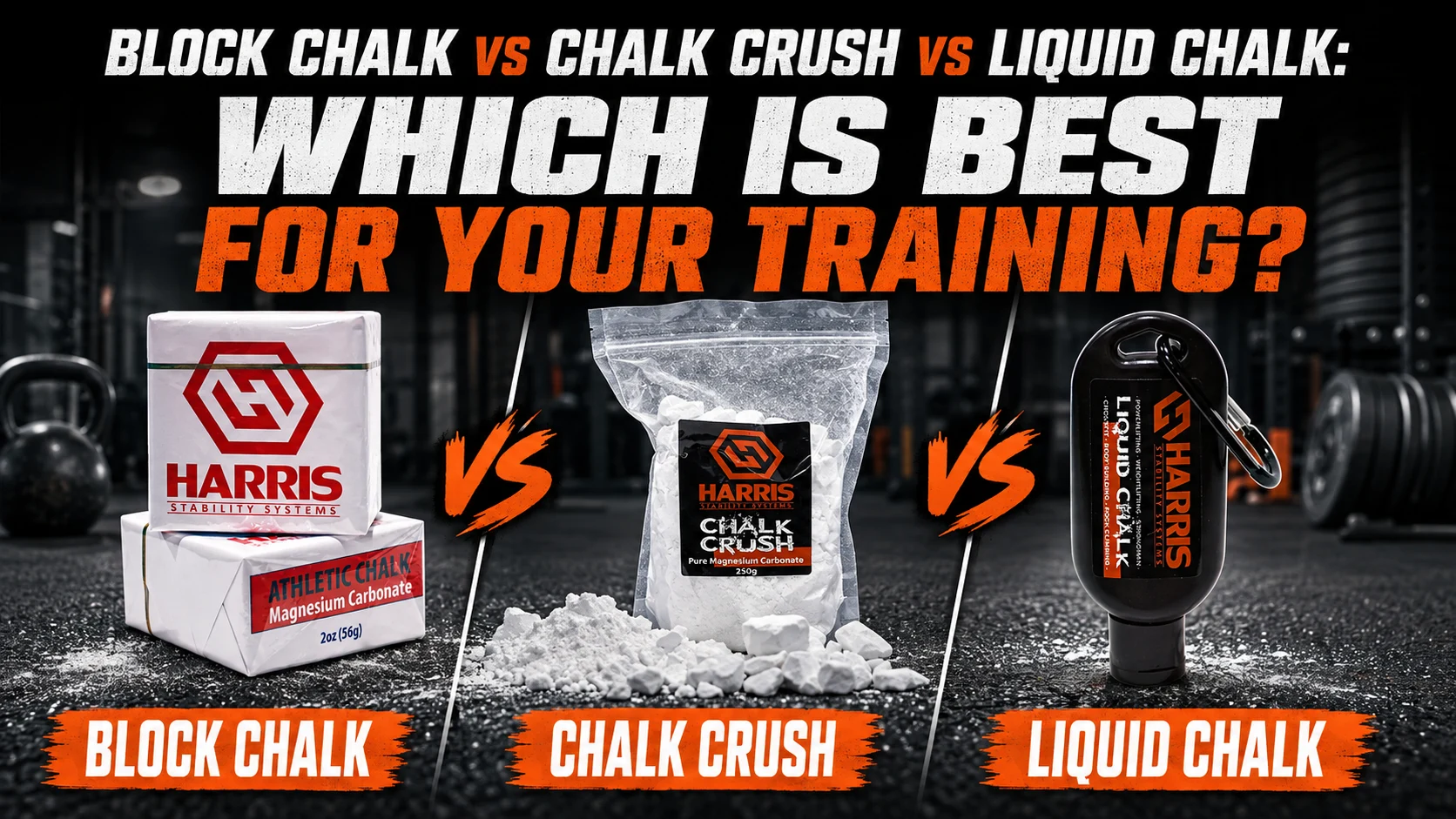
Liquid chalk has become a popular alternative to traditional block chalk for lifters, climbers and gym-goers who want a cleaner way to improve grip during training.
After application, the liquid dries on the hands, leaving a thin layer of chalk that helps reduce moisture and improve friction between the hands and the bar.
Compared with loose chalk, liquid chalk produces far less dust, is easier to carry and is accepted in many commercial gyms where powdered chalk is restricted.
What Is Liquid Chalk?
Liquid chalk is a suspension of chalk in an alcohol-based solution.
When applied to the hands, the alcohol evaporates, leaving a dry layer of chalk on the skin.
It is commonly used for:
• Powerlifting
• Weightlifting
• Strongman
• CrossFit
• Functional fitness
• Gymnastics
• Climbing
• General strength training
Many athletes choose liquid chalk because it is quick to apply and leaves less residue than traditional chalk.
Why Choose Liquid Chalk Instead of Block Chalk?
Both products use chalk to improve grip, but they differ in how they are applied.
Liquid chalk:
• Produces very little dust
• Dries quickly
• Is easy to carry in a gym bag
• Leaves less residue on equipment
• Usually requires fewer reapplications during a workout
Traditional block chalk may be preferred by some lifters, but it creates loose chalk dust and is not permitted in some training facilities.
Why Harris Liquid Chalk?
Harris Liquid Chalk is designed for strength training and general gym use.
It may suit lifters who want:
• A quick application
• Less mess than block chalk
• Reduced chalk dust
• A portable grip aid
• A cleaner option for commercial gyms
As with any chalk product, individual preference and training conditions will influence how often it needs to be reapplied.
Where Liquid Chalk Is Commonly Used
Liquid chalk is commonly used during exercises where sweaty hands can make it harder to maintain a secure hold.
Examples include:
• Deadlifts
• Pull-ups
• Chin-ups
• Barbell rows
• Dumbbell rows
• Shrugs
• Olympic lifts
• Kettlebell training
• Rope climbs
• Farmers carries
It may also be used during climbing, gymnastics and other activities where grip is important.
Liquid Chalk vs Block Chalk
|
Feature |
||
|---|---|---|
|
Application |
Liquid that dries on the hands |
Applied directly from a solid block |
|
Dust |
Very little |
Higher |
|
Mess |
Low |
Higher |
|
Portability |
Easy to carry |
Can crumble in a gym bag |
|
Gym acceptance |
Often accepted |
Sometimes restricted |
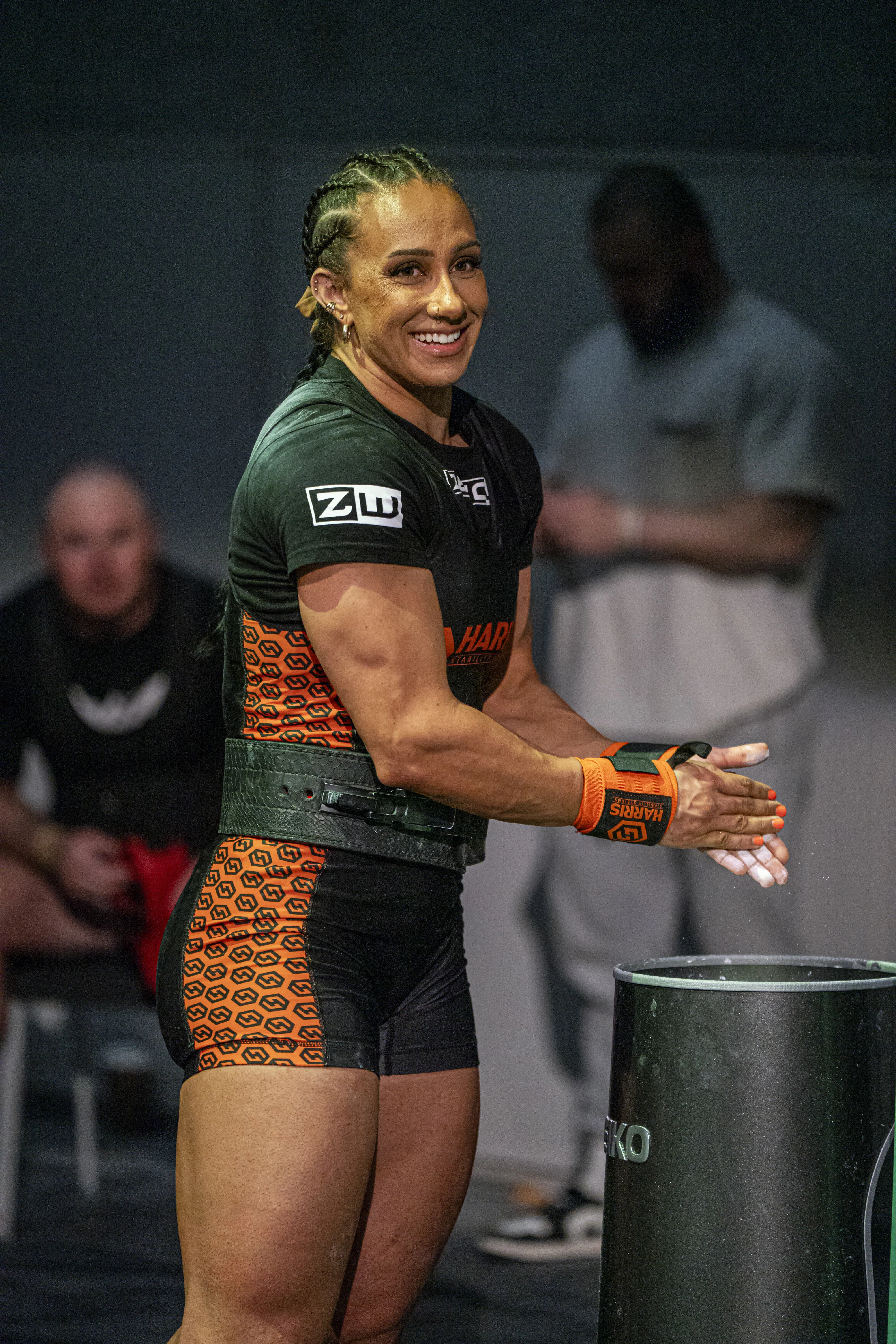
Both products provide chalk on the hands, but many commercial gyms prefer liquid chalk because it produces less airborne dust.
How to Apply Liquid Chalk
Using liquid chalk is straightforward.
1. Apply a small amount to your palms.
2. Spread it evenly over both hands and fingers.
3. Allow it to dry completely.
4. Reapply if required during longer training sessions.
Using too much product is generally unnecessary.
Common Mistakes
Common mistakes include:
• Applying more chalk than needed
• Not allowing the chalk to dry before lifting
• Using liquid chalk on wet hands
• Forgetting to close the bottle after use
• Assuming all gyms allow every type of chalk
Always check your gym's chalk policy before training.
Frequently Asked Questions
What is liquid chalk used for?
Liquid chalk is used to reduce moisture on the hands and improve grip during training.
Is liquid chalk better than block chalk?
Neither is universally better. Liquid chalk is generally cleaner and produces less dust, while some athletes prefer the feel of traditional block chalk.
Is liquid chalk allowed in commercial gyms?
Many commercial gyms allow liquid chalk because it creates less mess than loose chalk, but policies vary.
How long does liquid chalk last?
This depends on the exercise, training conditions and how much the hands sweat. Some sessions may require reapplication.
Can I use liquid chalk for deadlifts?
Yes. Liquid chalk is commonly used for deadlifts, rows, pull-ups and other pulling exercises.
Does liquid chalk replace lifting straps?
No. Liquid chalk and lifting straps serve different purposes and are often used together.
Final Thoughts
Harris Liquid Chalk is a practical option for lifters who want a cleaner alternative to traditional block chalk.
Its low-dust formula, portable bottle and quick application make it suitable for powerlifting, strongman, weightlifting and general gym training.
Whether you train in a commercial gym or a home gym, liquid chalk can be a convenient way to keep your hands dry during pulling exercises and heavy lifts.