Lifting Chalk Guide | Block, Crush & Liquid Chalk Compared

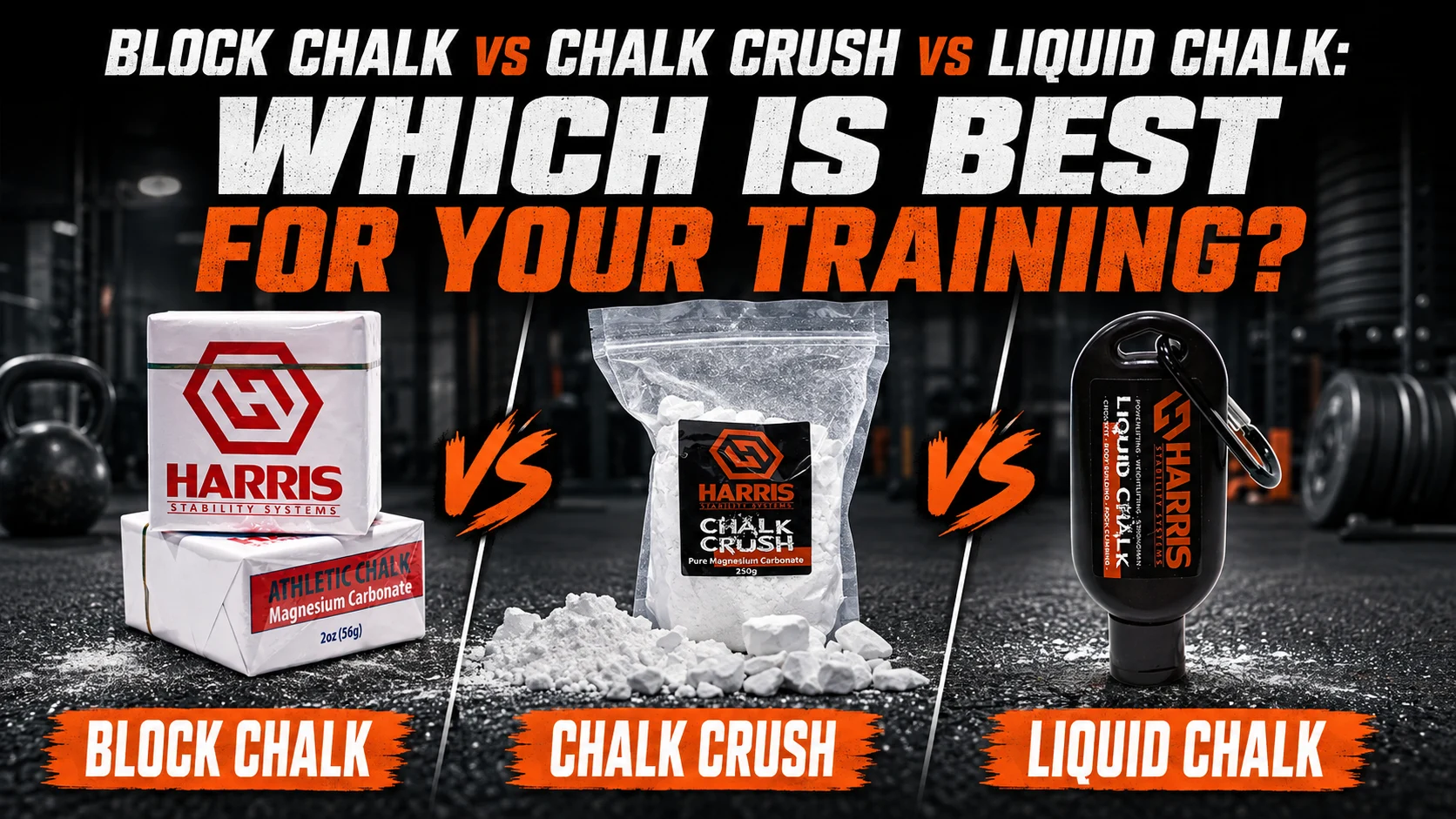
Lifting Chalk Explained: Block Chalk, Chalk Crush and Liquid Chalk
Choosing the Right Lifting Chalk for Your Training
Grip plays a vital role in strength training.
Whether you're deadlifting, performing pull-ups, competing in strongman or training with Olympic lifts, maintaining a secure grip helps you stay focused on the lift rather than worrying about the bar slipping in your hands.
That's why lifting chalk has become standard equipment for many strength athletes.
However, not all chalk is the same. Block chalk, chalk crush and liquid chalk each offer different advantages depending on where and how you train.
This guide explains the differences so you can choose the right option for your training.
Why Do Lifters Use Chalk?
Lifting chalk is designed to reduce moisture on the hands.
By keeping your palms drier, chalk helps improve contact between your hands and the barbell, dumbbells or pull-up bar.
Many athletes use chalk during:
• Deadlifts.
• Pull-ups.
• Olympic lifting.
• Strongman events.
• Farmer's carries.
• General barbell training.
Choosing the right format depends on your gym environment, training style and personal preference.
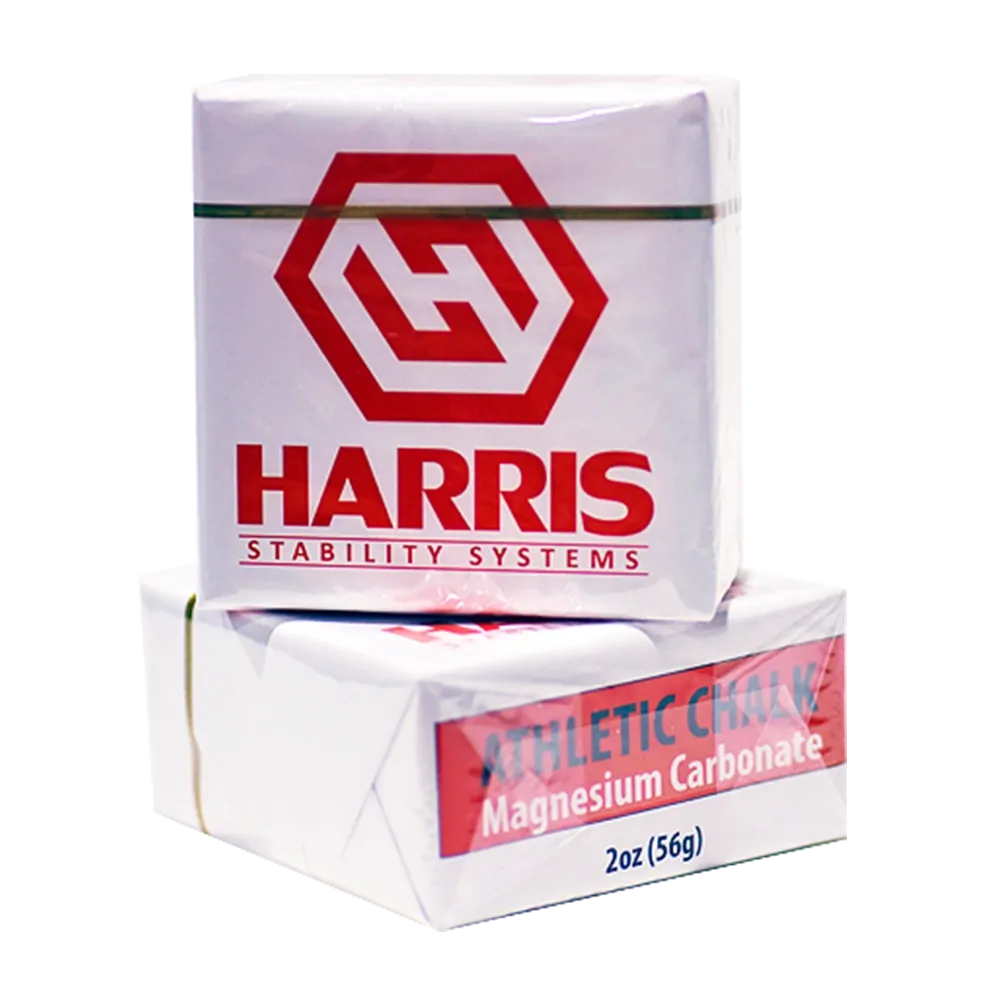
Block chalk is the traditional choice used in many powerlifting and weightlifting gyms.
Benefits
• Excellent grip.
• Easy to apply.
• Popular for heavy lifting.
• Cost-effective.
Best For
• Powerlifting.
• Olympic lifting.
• Home gyms.
• Dedicated strength facilities.
The trade-off is that block chalk creates loose chalk dust, which some commercial gyms do not allow.
Chalk crush consists of broken pieces of lifting chalk packaged for convenient use.
It offers the same grip benefits as traditional block chalk while making it easier to refill chalk bowls or containers.
Benefits
• Easy to use.
• Excellent grip.
• Convenient storage.
• Ideal for gyms with communal chalk bowls.
Best For
• Strength gyms.
• Home gyms.
• High-volume training facilities.
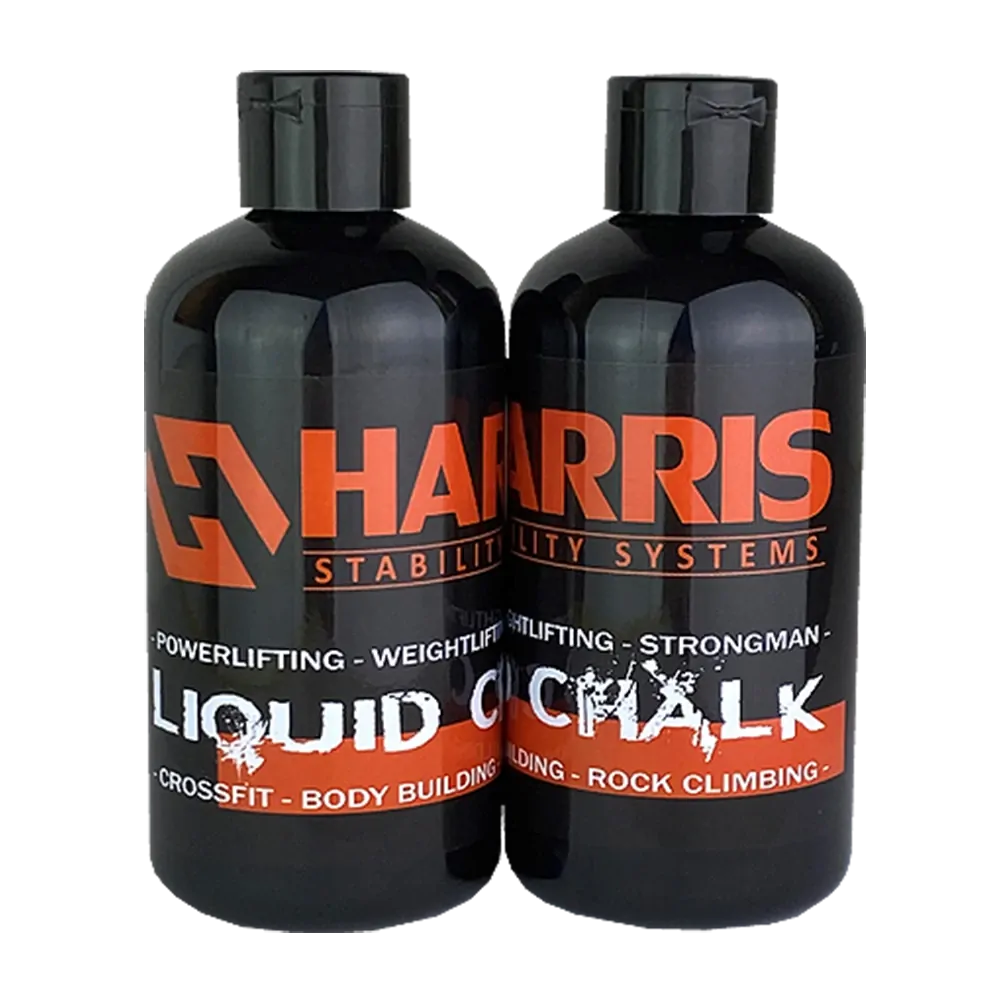
Liquid chalk combines magnesium carbonate with an alcohol-based solution.
After application, the alcohol evaporates, leaving a thin chalk layer on the hands.
Benefits
• Minimal mess.
• Fast drying.
• Easy to carry.
• Popular in commercial gyms.
Best For
• Commercial gyms.
• Travelling.
• Functional fitness.
• Athletes wanting a cleaner alternative.
Comparing the Different Types of Chalk
|
Feature |
|||
|---|---|---|---|
|
Grip |
Excellent |
Excellent |
Excellent |
|
Mess |
High |
Moderate |
Low |
|
Portability |
Good |
Good |
Excellent |
|
Commercial Gym Friendly |
Sometimes |
Sometimes |
Usually |
|
Home Gym Use |
Excellent |
Excellent |
Excellent |
Each option delivers reliable grip support—the best choice depends on where you train and your personal preference.
How to Choose the Right Chalk
Ask yourself a few simple questions:
Where Do You Train?
Many commercial gyms prefer liquid chalk because it creates very little mess.
Home gyms and dedicated strength facilities often allow block or loose chalk.
What Exercises Do You Perform?
Deadlifts, pull-ups, Olympic lifts and strongman events all benefit from improved grip.
Do You Value Convenience?
If portability and cleanliness are priorities, liquid chalk is often the easiest option.
If maximum grip and traditional feel matter most, block chalk or chalk crush may be preferred.
Frequently Asked Questions
Is liquid chalk as effective as block chalk?
Both provide excellent grip. The choice usually comes down to personal preference and where you're training.
What's the difference between block chalk and chalk crush?
Block chalk comes as a solid block, while chalk crush consists of broken pieces that are easier to use in chalk bowls or containers.
Which chalk is best for commercial gyms?
Liquid chalk is often the preferred option because it creates significantly less mess.
Can beginners use lifting chalk?
Absolutely. Chalk is suitable for anyone looking to improve grip during strength training.
Does lifting chalk replace straps?
No. Chalk and lifting straps serve different purposes, and many athletes use both depending on the exercise.
Why Choose Harris?
Harris Stability Systems supplies lifting chalk trusted by Australian strength athletes.
Whether you prefer:
• Traditional block chalk.
• Convenient chalk crush.
• Clean, portable liquid chalk.
Harris offers high-quality grip solutions designed for serious training.
Final Thoughts
Choosing lifting chalk doesn't need to be complicated.
All three formats—block chalk, chalk crush and liquid chalk—help improve grip by reducing moisture on your hands.
The best choice depends on your training environment, preferred feel and how you like to prepare for your lifts.
By understanding the strengths of each format, you can confidently choose the chalk that best supports your training.