Wrist Wraps for Squats Australia | Low Bar & High Bar Guide
Author: Harris Stability Systems Last Updated: 11 September 2026

How Your Squat Style Should Influence Your Wrist Wrap Choice
Choosing the Right Wrist Wrap for Low Bar and High Bar Squats
Most lifters think wrist wraps are only important for the bench press.
In reality, the type of wrist wrap you choose can make a huge difference to your squat performance—particularly if you squat with a low bar position.
For many powerlifters, wrist discomfort during squats isn't caused by the weight on the bar. It's caused by the position of the wrists supporting that weight.
Choosing the right wrist wrap can improve comfort, increase stability and help you maintain a stronger upper back position throughout the lift.
At Harris Stability Systems, we've worked with Australian powerlifters for decades. This guide explains how different squat styles affect your wrists and which Harris wrist wraps are best suited to your lifting style.
Why Do Your Wrists Hurt During Squats?
The bar doesn't actually sit in your hands during a squat.
Instead, your hands help stabilise the bar while your upper back supports the load.
If your wrists bend excessively backwards, particularly during heavy squats, significant pressure can be placed through the wrist joint.
Over time this can lead to:
• Wrist discomfort.
• Reduced bar stability.
• Difficulty maintaining upper back tightness.
• Inconsistent squat positioning.
This is where properly chosen Wrist Wraps become valuable.
Low Bar Squat vs High Bar Squat
Your squat style has a significant influence on how much stress is placed through your wrists.
Low Bar Squat
A low bar squat positions the bar lower across the rear deltoids.
This generally requires:
• Greater shoulder mobility.
• Increased external shoulder rotation.
• More wrist extension.
• Narrower hand positioning.
As a result, low bar squats often place considerably more stress on the wrists than high bar squats.
Many powerlifters therefore choose stiffer wrist wraps to help maintain a straighter wrist position under heavy loads.
High Bar Squat
High bar squats position the bar higher across the traps.
This naturally reduces the amount of wrist extension required.
Although wrist support can still improve comfort, many athletes find they don't require the same level of stiffness used by low bar powerlifters.
Why Wrist Wrap Stiffness Matters
Not every wrist wrap provides the same level of support.
Some wraps are designed for maximum rigidity, while others balance support with flexibility.
Choosing the right level of stiffness allows you to match your equipment to your training style.
Which Harris Wrist Wrap Is Right For Your Squat?
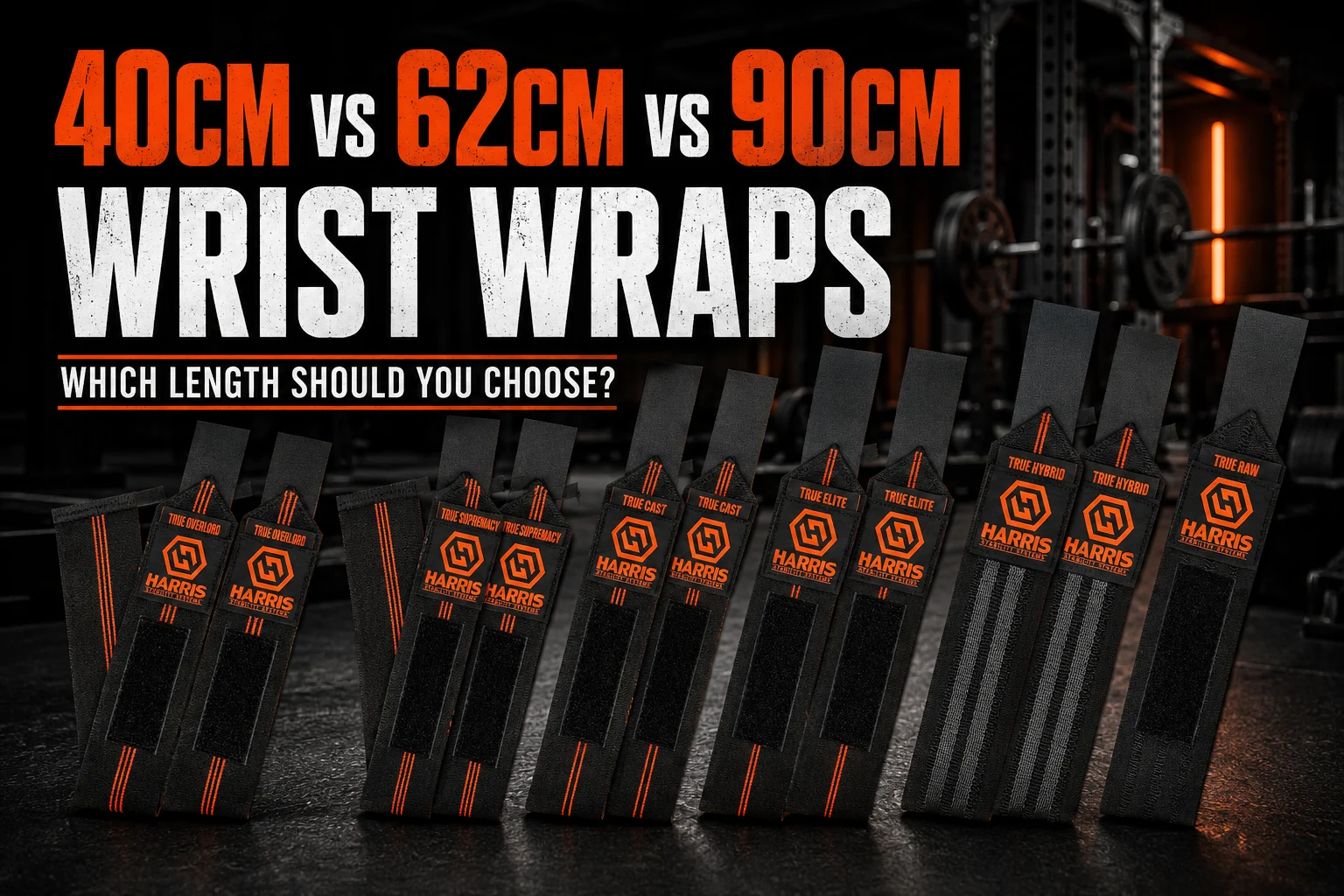
The True Elite Wrist Wraps are one of the most popular choices for competitive powerlifters.
They provide excellent stiffness while still allowing consistent positioning during heavy squats and bench press.
Best for:
• Low Bar Squats
• Competition Powerlifting
• Heavy Bench Press
For athletes wanting maximum wrist stability, the True CAST Wrist Wraps create an extremely rigid, cast-like feel.
They're designed for lifters who want the highest level of wrist support possible.
Best for:
• Maximum Support
• Heavy Competition Squats
• Advanced Powerlifters
The True Hybrid Wrist Wraps balance stiffness with comfort.
They're an excellent option for athletes who squat, bench and perform a variety of strength movements throughout the week.
Best for:
• General Strength Training
• Strongman
• Powerlifting
• Multiple Pressing Movements
The True Raw Wrist Wraps provide moderate support while maintaining excellent flexibility.
Ideal for athletes who don't require maximum stiffness.
Best for:
• Beginners
• Bodybuilding
• General Gym Training
• Functional Fitness
The True Supremacy Wrist Wraps are designed for serious strength athletes wanting a combination of durability and high-level support during heavy training.
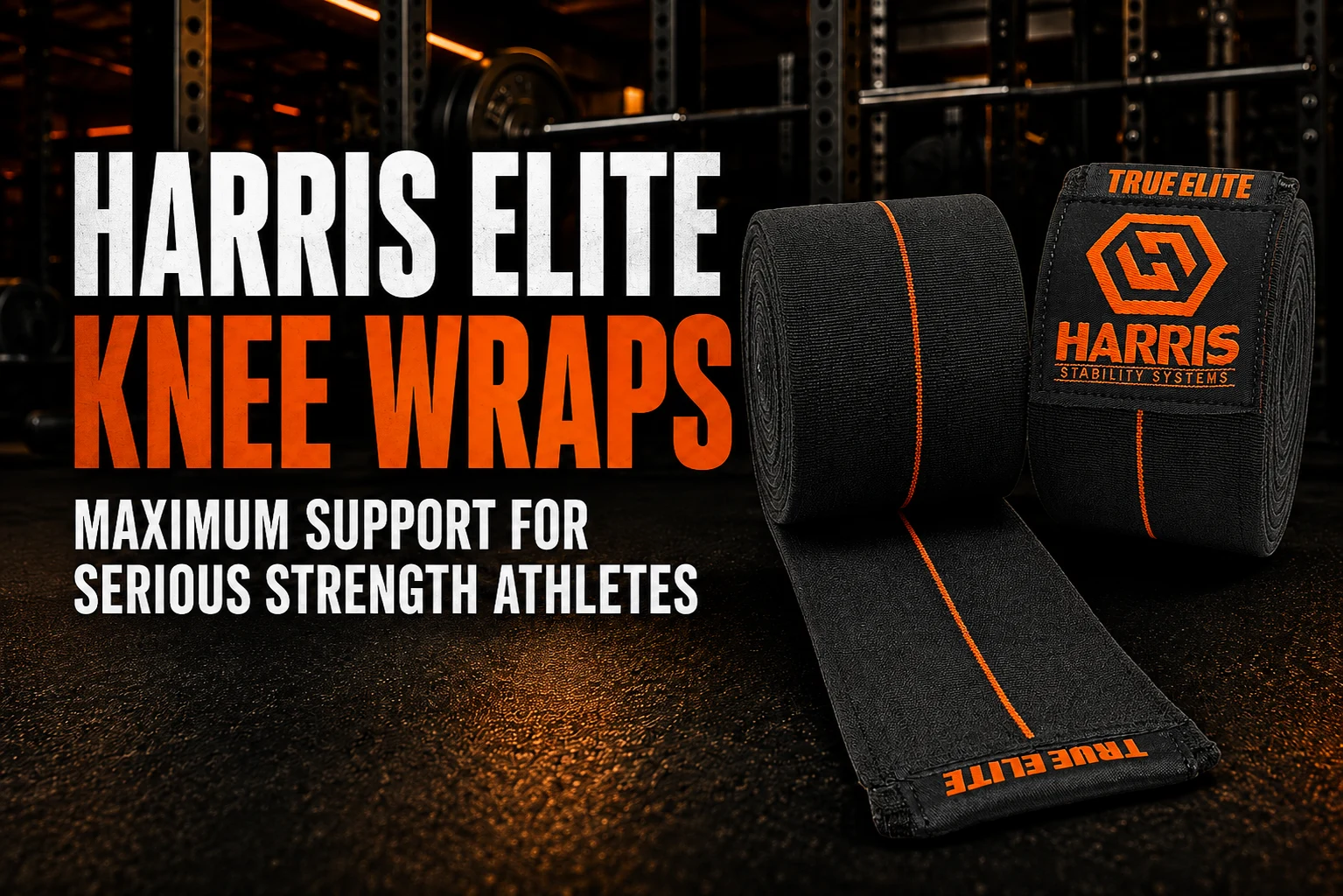
Choosing the Right Length
Support isn't determined by stiffness alone.
Length also plays an important role.
Shorter Wraps
Generally provide:
• Faster application.
• Greater wrist mobility.
• Better comfort for longer sessions.
Longer Wraps
Generally provide:
• Increased support.
• Greater stiffness.
• More adjustment.
• Better suited to maximal lifting.
Powerlifters preparing for competition often choose longer wraps to maximise wrist stability during heavy attempts.
Frequently Asked Questions
Do wrist wraps help your squat?
Yes. Although the wrists don't directly move the weight, wrist wraps help stabilise the hands and reduce unnecessary wrist movement under the bar.
Why do low bar squats hurt my wrists?
Low bar squats require greater wrist extension and shoulder mobility than high bar squats. If mobility is limited or the wrists aren't well supported, discomfort may develop during heavy lifting.
Which wrist wraps are best for low bar squats?
Many competitive powerlifters prefer the True Elite Wrist Wraps or True CAST Wrist Wraps because of their high level of stiffness and support.
Should beginners wear wrist wraps for squats?
If wrist discomfort is limiting your squat performance, wrist wraps can provide additional support while you continue improving mobility and technique.
Can wrist wraps improve bar stability?
Many athletes find that keeping the wrists straighter allows them to maintain a tighter upper back position and a more stable bar throughout the squat.
Final Thoughts
Your squat technique should influence your equipment choices.
Low bar powerlifters generally benefit from stiffer wrist wraps that minimise wrist movement under heavy loads, while high bar lifters often prefer a slightly more flexible option.
Choosing the right combination of stiffness, length and comfort allows you to train more consistently while reducing unnecessary stress on your wrists.
Whether you're preparing for your first powerlifting competition or chasing a new squat personal best, Harris Stability Systems offers Australia's largest range of Wrist Wraps, helping every athlete find the support that matches their lifting style.