
What Do Lifting Straps Do? | Deadlift & Heavy Pull Guide
Author: Harris Stability Systems Last Updated: 20 September 2026

.webp)
What Do Lifting Straps Do and When Should You Use Them?
Lifting straps are used when grip becomes the limiting factor during pulling exercises.
They connect the lifter’s hands more securely to the bar or implement, reducing how much the hands need to hold on by themselves. This can allow the lifter to continue training the back, hamstrings, glutes or traps when grip would otherwise end the set early.
Lifting straps are commonly used for:
• Deadlifts
• Romanian deadlifts
• Barbell rows
• Dumbbell rows
• Shrugs
• Rack pulls
• Strongman events
• Thick-handle exercises
• High-volume back training
They are not a replacement for grip training, good technique or appropriate load selection. They are a training tool that can help keep grip from interfering with the main purpose of a pulling session.
This guide explains what lifting straps do, when to use them and how to choose between standard straps and figure 8 straps.
What Are Lifting Straps?
Lifting straps are lengths or loops of material worn around the wrists and attached to a barbell, dumbbell or training implement.
They create an additional connection between the lifter and the weight.
Instead of relying entirely on the fingers to keep the bar in place, the strap wraps around the bar or loops over it. This makes it harder for the bar to roll out of the hands during a set.
Most lifting straps are made from materials such as:
• Cotton
• Nylon
• Polyester
• Reinforced woven fabric
• Multi-layer webbing
The design, thickness and length can affect how the straps feel and how quickly they can be applied.
What Do Lifting Straps Actually Do?
Lifting straps reduce the amount of grip strength required to keep hold of a bar or implement.
They may be useful when:
• The hands fatigue before the target muscles
• The bar begins rolling through the fingers
• Grip limits the number of repetitions completed
• The lifter is training with a thick bar or handle
• The session includes several heavy pulling exercises
• The hands are already fatigued from earlier work
• The lifter wants to focus more directly on the back or posterior chain
Lifting straps do not make the back, hamstrings or glutes stronger by themselves.
Their role is to reduce grip as the limiting factor so the intended muscles can continue doing the work.
How Lifting Straps Change a Pulling Exercise
During an unassisted pull, the fingers must keep the bar from opening the hand.
As the set continues, the bar may begin to roll towards the fingertips. Once the grip can no longer hold the weight securely, the set usually ends even if the back or legs could continue.
Straps help resist that rolling movement.
This can be useful during:
• Heavy deadlift working sets
• High-repetition Romanian deadlifts
• Long sets of rows
• Heavy shrugs
• Strongman pulls
• Thick-handle training
The result is not stronger grip. It is less dependence on grip during that particular set.
When Should You Use Lifting Straps?
Lifting straps are most useful when grip is interfering with the actual goal of the exercise.
For example, if the purpose of a Romanian deadlift set is to train the hamstrings and glutes, but the lifter has to stop because the bar is slipping, straps may allow the target muscles to remain the focus.
They may also be useful during heavy pulling sessions where grip has already been fatigued by earlier sets.
Common situations include:
• Heavy deadlift top sets
• Repeated deadlift working sets
• High-volume back sessions
• Strongman event training
• Thick-bar or axle work
• Heavy dumbbell rows
• Barbell shrugs
• Long sets of Romanian deadlifts
• Rack pulls
• Block pulls
Straps do not need to be used for every pulling set.
Many lifters complete their lighter work without straps and add them only when grip begins limiting the session.
When Should You Avoid Lifting Straps?
Lifting straps may be unnecessary when the main purpose of the exercise is to train grip.
Examples include:
• Timed bar holds
• Farmers carries performed for grip
• Grip endurance work
• Dead hangs
• Barbell holds
• Specific competition grip events
They may also be inappropriate when training for a competition that does not allow straps.
A powerlifter preparing for a standard competition deadlift still needs to practise holding the bar without straps because straps are generally not used for the competition lift.
Straps can still be used in other training sets, but they should not replace all competition-specific grip practice.
Lifting Straps for Deadlifts
Deadlifts are one of the most common reasons lifters use straps.
During a heavy deadlift session, grip can become limited by:
• Heavy loads
• Repeated working sets
• Bar rotation
• Hand fatigue
• Sweaty conditions
• Thick bars
• Previous back or grip work
Straps may be useful for:
• Heavy top sets
• Repetition deadlifts
• Romanian deadlifts
• Stiff-leg deadlifts
• Rack pulls
• Block pulls
• Deficit deadlifts
• Snatch-grip deadlifts
Powerlifters should still practise the grip they plan to use in competition.
However, straps can be useful for accessory deadlifts or additional pulling volume when the hands have already become the limiting factor.
Lifting Straps for Romanian Deadlifts
Romanian deadlifts often involve longer time under tension than standard deadlifts.
The lifter must hold the bar through repeated repetitions while keeping the movement controlled.
Grip may fatigue before the hamstrings, glutes and back have completed the intended workload.
Straps can help keep the focus on:
• Hip hinging
• Hamstring loading
• Bar control
• Repetition quality
• Completing the programmed set
They may be particularly useful during moderate-to-high-repetition Romanian deadlifts.
Lifting Straps for Back Training
Straps are commonly used during bodybuilding and high-volume back sessions.
Exercises may include:
• Barbell rows
• Dumbbell rows
• Machine rows
• Cable rows
• Lat pulldowns
• Shrugs
• Rack pulls
During these sessions, the hands and forearms may fatigue before the upper back or lats.
Using straps can reduce the need to squeeze the handle as hard throughout every repetition.
This may help the lifter keep the set focused on the intended back movement rather than ending because the hands can no longer hold on.
Lifting Straps for Strongman
Strongman training regularly involves heavy or awkward pulling implements.
This may include:
• Axle deadlifts
• Frame deadlifts
• Silver dollar deadlifts
• Car deadlifts
• Repetition deadlift events
• Heavy rows
• Thick-handled implements
• Strongman apparatus with smooth handles
Figure 8 straps are especially common in strongman because they create a more locked-in connection to the bar.
However, event rules vary. Some events allow straps, some require a particular style and others do not allow them.
Athletes should always check the rules for the specific competition.
Lifting Straps for Shrugs
Heavy shrugs often use more weight than the hands can comfortably hold for repeated repetitions.
If grip fails early, the traps may not receive the intended training volume.
Straps may help during:
• Barbell shrugs
• Dumbbell shrugs
• Trap-bar shrugs
• Machine shrugs
• High-repetition shrug sets
Because shrugs use a relatively short range of motion, the hands may remain under tension for the entire set. Straps can reduce the likelihood of grip ending the set prematurely.
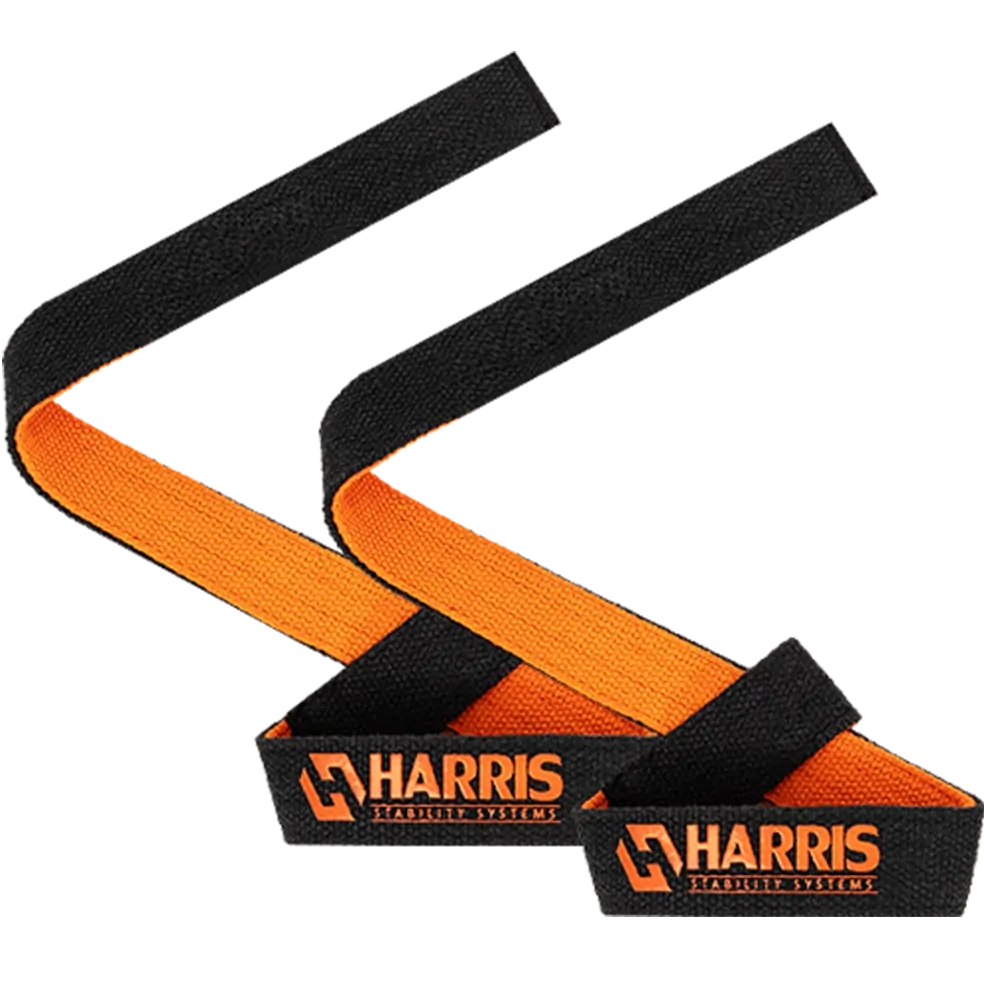
Standard lifting straps usually have a wrist loop with a long tail.
The tail is wrapped around the bar before the lifter closes their hand over it.
Standard straps are valued for their versatility.
They can be used for:
• Deadlifts
• Rows
• Shrugs
• Pulldowns
• Romanian deadlifts
• Dumbbell exercises
• General gym training
They can also be loosened or released relatively quickly.
Standard straps may suit lifters who want one strap style for several different exercises.
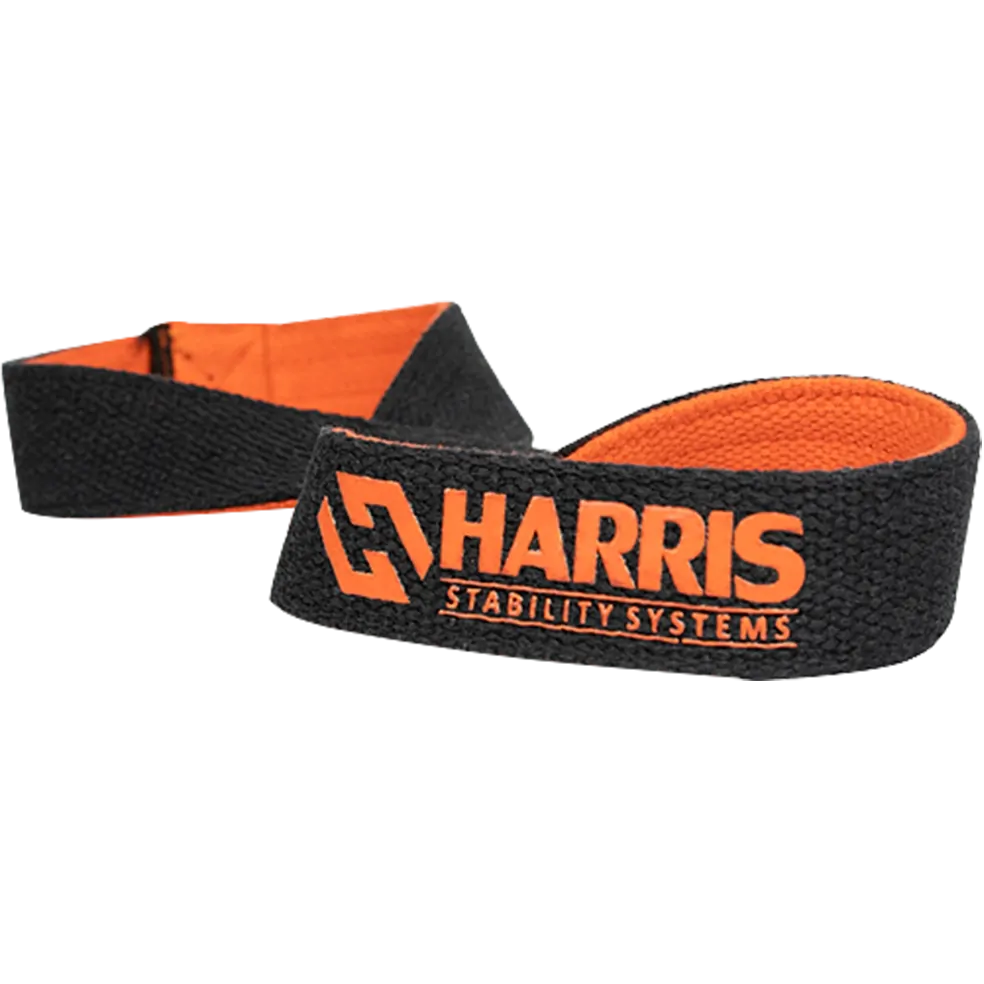
Figure 8 Lifting Straps
Figure 8 straps use two loops joined in the centre.
One loop goes around the wrist, the strap passes underneath the bar and the hand goes through the second loop.
This creates a more locked-in connection than a standard lifting strap.
Figure 8 straps are commonly used for:
• Heavy deadlifts
• Strongman events
• Axle deadlifts
• Repetition deadlifts
• Heavy rack pulls
• Thick-bar training
Because the hand is looped into the strap, figure 8 straps are not as quick to release as standard straps.
They are best suited to lifters who specifically want a secure connection for heavy pulling.
Standard Straps vs Figure 8 Straps
The best strap style depends on the exercise and the level of security required.
|
Feature |
Standard Lifting Straps |
Figure 8 Straps |
|---|---|---|
|
Design |
Wrist loop with long tail |
Two connected loops |
|
Setup |
Wrapped around the bar |
Looped around wrist and bar |
|
Security |
High |
Very high |
|
Release |
Easier |
More locked in |
|
Versatility |
High |
More specialised |
|
Best for |
Rows, shrugs and general pulling |
Deadlifts and strongman |
|
Adjustment |
Easy to fine-tune |
Depends on strap size |
|
Learning curve |
Moderate |
Simple once sized correctly |
Standard lifting straps are generally the more versatile option.
Figure 8 straps are generally better for lifters who want the most secure connection during heavy deadlifts or strongman pulling events.
Two-Ply Lifting Straps
Two-ply lifting straps use two layers of material rather than a single layer.
This creates a thicker and more substantial strap.
Two-ply construction may appeal to lifters who want:
• A heavier-duty feel
• More material around the wrist
• A strap suited to repeated heavy use
• Greater thickness than a basic strap
• Equipment intended for demanding pulling sessions
The Harris range includes options such as:
• 2 Ply Figure 8 Heavy Duty Straps
• 2 Ply Heavy Duty Lifting Straps – 70cm
The best choice depends on whether the lifter wants a locked-in figure 8 design or a more versatile standard strap.
2 Ply Figure 8 Heavy Duty Straps
The Harris 2 Ply Figure 8 Heavy Duty Straps are designed for lifters who want a secure connection during heavy pulling.
They may suit:
• Strongman athletes
• Heavy deadlifters
• Axle deadlifts
• Rack pulls
• Block pulls
• Repetition deadlifts
• Thick-bar work
The figure 8 shape creates a more fixed connection between the hand and the bar.
This can be useful when maximum bar security is the priority.
However, they may be less suitable for lifters who want to release the bar quickly or use the same straps across a wide variety of back exercises.
2 Ply Heavy Duty Lifting Straps – 70cm
The Harris 2 Ply Heavy Duty Lifting Straps – 70cm use a standard strap design with additional length for wrapping around the bar.
They may suit:
• Deadlifts
• Barbell rows
• Dumbbell rows
• Shrugs
• Romanian deadlifts
• Rack pulls
• General back training
A longer standard strap can provide flexibility in how many times the tail is wrapped around the bar.
This style may be a better choice for lifters who want one pair of straps for both heavy pulling and general gym training.
How Long Should Lifting Straps Be?
Strap length matters mainly for standard lifting straps.
A longer strap provides more material to wrap around the bar.
This may be useful for:
• Thick bars
• Axles
• Multiple wraps
• Lifters with larger hands
• Heavy pulling exercises
However, a very long strap may take more time to set up and may leave excess material around smaller handles.
Figure 8 straps are sized differently because their fit depends on the loop dimensions rather than a long tail.
Always follow the product-specific sizing instructions.
How to Use Standard Lifting Straps
A standard lifting strap is generally used as follows:
1. Put your hand through the wrist loop.
2. Position the tail so it extends from the palm side of the hand.
3. Place your hand over the bar.
4. Feed the strap underneath and around the bar.
5. Wrap the tail around the bar.
6. Rotate your hand slightly to tighten the strap.
7. Close your grip over the wrapped strap.
8. Repeat on the other side.
10. Check that both straps feel evenly tightened before lifting.
The strap should wrap in the opposite direction to the way the bar would roll out of the hand.
It may take several sessions to become quick and consistent with standard straps.
How to Use Figure 8 Straps
Figure 8 straps are generally used as follows:
1. Put your hand through the first loop.
2. Position the strap underneath the bar.
3.Put the same hand through the second loop.
4. Rotate or position the wrist so the strap tightens around the bar.
5. Close the hand around the bar.
6. Repeat on the other side.
7. Check that both straps are positioned evenly.
8. The hand remains connected to the bar through both loops.
Because figure 8 straps create a locked-in connection, lifters should understand how to release them before using them with heavy weights.
How Tight Should Lifting Straps Be?
Lifting straps should be tight enough to prevent the bar from rolling freely through the hands.
However, they should not create unnecessary pain, numbness or loss of hand movement.
A properly applied strap should:
• Stay in position during the set
• Feel secure around the wrist
• Reduce bar movement in the hand
• Allow the lifter to maintain control
• Release when the set is complete
If the strap is loose, it may not provide much assistance.
If it is overtightened, it may become uncomfortable around the wrist.
Do Lifting Straps Weaken Your Grip?
Using straps does not automatically weaken grip.
However, grip strength may receive less direct training during sets completed with straps.
Lifters who want to maintain or improve grip can combine strapped pulling with:
• Unstrapped warm-up sets
• Double-overhand deadlifts
• Barbell holds
• Farmers carries
• Dead hangs
• Grip-specific exercises
• Chalk use
• Thick-handle training
Straps and grip training do not need to be treated as opposites.
A lifter can use straps for heavy back or posterior-chain work while training grip separately.
Should Beginners Use Lifting Straps?
Beginners can use lifting straps, but they do not need to use them for every set.
Early training should still include time spent developing:
• Basic grip strength
• Bar control
• Deadlift setup
• Pulling technique
• Awareness of when grip is actually limiting the set
Straps may be appropriate when a beginner’s grip is preventing them from completing an exercise intended to train another muscle group.
For example, they may be useful during high-repetition Romanian deadlifts or rows if the hands consistently fatigue before the target muscles.
Lifting Straps vs Chalk
Lifting straps and chalk solve different grip problems.
Chalk reduces moisture between the hands and the bar.
Straps create a mechanical connection between the hands and the bar.
|
Feature |
||
|---|---|---|
|
Main purpose |
Reduces grip limitation |
Reduces moisture |
|
Connects hand to bar |
Yes |
No |
|
Helps with sweaty hands |
Indirectly |
Yes |
|
Common use |
Heavy or high-volume pulls |
Most barbell pulling |
|
Grip training demand |
Reduced |
Maintained |
|
Competition use |
Varies |
Commonly allowed |
Many lifters use chalk before adding straps.
If chalk is not enough to keep grip from limiting the exercise, straps may be the next option.
Lifting Straps vs Mixed Grip
Mixed grip uses one hand over the bar and one hand under the bar.
It is commonly used for heavy deadlifts because it helps prevent the bar from rolling in one direction.
Straps allow both hands to remain in an overhand position while still reducing grip limitation.
Straps may be useful for:
• Romanian deadlifts
• High-volume pulls
• Accessory deadlifts
• Rows and shrugs
• Lifters who prefer not to use mixed grip in training
A competition powerlifter may still need to practise mixed grip or hook grip if straps are not permitted on the platform.
Common Lifting Strap Mistakes
Using Straps on Every Set
Using straps for all pulling work may reduce the amount of direct grip training completed.
Many lifters benefit from performing lighter sets without straps and adding them only when needed.
Waiting Until the Bar Is Already Slipping
Straps should be positioned before the set begins.
Trying to adjust them once the weight is already moving is impractical and may interfere with the lift.
Wrapping Standard Straps the Wrong Way
If the strap is wrapped in the same direction the bar rolls, it may loosen rather than tighten.
The strap should oppose the rolling direction of the bar.
Leaving the Straps Uneven
Uneven strap tension can make one side feel different from the other.
Both straps should be checked before the set.
Choosing the Wrong Strap Style
Figure 8 straps may be excessive for general cable rows.
Short or thin standard straps may be less suitable for heavy axle work.
Choose according to the movements performed most often.
Ignoring Grip Training
Straps reduce grip demand during the set.
Lifters who need strong competition or event grip should still train it directly.
Using Damaged Straps
Worn stitching, torn material or damaged loops may make the straps unreliable.
Inspect them regularly and replace them when necessary.
What Makes a Good Lifting Strap?
A good lifting strap should match the intended exercise and feel secure under load.
Important features include:
Suitable Construction
The strap should be built for the type of pulling being performed.
A general gym strap and a heavy-duty strongman strap may have different requirements.
Strong Stitching
The stitched areas carry repeated tension.
They should be inspected regularly for wear.
Comfortable Wrist Contact
The strap should sit securely around the wrist without excessive cutting or pinching.
Appropriate Length
Standard straps need enough length to wrap around the intended bar or handle.
Correct Figure 8 Size
Figure 8 straps must be large enough to fit around the wrist and bar while still creating a secure connection.
Easy Setup
The best strap is one the lifter can apply correctly and consistently.
Choosing the Right Lifting Straps
The easiest way to choose lifting straps is to start with the exercises you perform most often.
Choose Standard Lifting Straps If You:
• Want one strap style for several exercises
• Perform rows, shrugs and Romanian deadlifts
• Want easier release from the bar
• Prefer adjustable wrapping
• Train in a general gym
• Want versatility
Choose Figure 8 Straps If You:
• Primarily want straps for heavy deadlifts
• Train strongman
• Use thick bars or axles
• Prefer a locked-in connection
• Perform repetition deadlift events
• Want maximum bar security
Choose Two-Ply Straps If You:
• Want a more substantial strap
• Perform regular heavy pulling
• Prefer thicker material
• Need equipment for repeated demanding sessions
• Want heavy-duty construction
The right choice should suit the majority of your training rather than one occasional exercise.
Frequently Asked Questions
What do lifting straps do?
Lifting straps connect the hands more securely to the bar so grip is less likely to end a pulling set early.
When should I use lifting straps?
Use them when grip is limiting an exercise intended to train the back, hamstrings, glutes or traps.
Are lifting straps good for deadlifts?
Yes. They are commonly used for heavy deadlifts, repetition work and deadlift variations.
Are lifting straps allowed in powerlifting?
They are generally not used for the competition deadlift. Rules vary, so check the current federation requirements.
Are lifting straps useful for strongman?
Yes. They are commonly used in strongman deadlift events and thick-bar pulling, subject to event rules.
Do lifting straps weaken your grip?
They reduce grip demand during strapped sets but do not automatically weaken grip. Grip can still be trained through unstrapped work and specific exercises.
Should beginners use lifting straps?
Beginners can use them when grip prevents the intended muscles from completing the programmed work, but they should still develop unassisted grip.
What is the difference between standard and figure 8 straps?
Standard straps wrap around the bar with a long tail. Figure 8 straps use two loops and create a more locked-in connection.
Are figure 8 straps better for deadlifts?
They can provide a more secure connection, making them popular for heavy deadlifts and strongman. Standard straps are generally more versatile.
Can lifting straps be used for rows?
Yes. Standard straps are commonly used during barbell, dumbbell and machine rows.
Can lifting straps be used for shrugs?
Yes. They may help prevent grip from ending heavy or high-repetition shrug sets.
Should I use chalk with lifting straps?
You can. Chalk reduces moisture, while straps reduce how much grip is required to hold the bar.
How tight should lifting straps be?
They should be secure enough to stop the bar rolling without causing unnecessary pain or numbness.
How long should standard lifting straps be?
The ideal length depends on the bar, handle and preferred number of wraps. Longer straps may suit thick bars or lifters who want additional wrapping.
How do I know when lifting straps need replacing?
Replace them if the material is torn, the stitching is damaged or the loops no longer feel secure.
Final Thoughts
Lifting straps are designed to stop grip from cutting a pulling set short before the target muscles have completed the intended work.
They are commonly used for deadlifts, Romanian deadlifts, rows, shrugs, strongman events and high-volume back training.
Standard lifting straps provide the greatest versatility and can be used across a wide range of exercises. Figure 8 straps create a more locked-in connection and are especially popular for heavy deadlifts and strongman pulling.
The Harris 2 Ply Heavy Duty Lifting Straps – 70cm may suit lifters who want a versatile strap for deadlifts, rows, shrugs and general back training.
The Harris 2 Ply Figure 8 Heavy Duty Straps may better suit lifters who want a highly secure connection for heavy deadlifts, thick-bar work or strongman events.
The best lifting strap is not automatically the most aggressive option. It is the strap that suits the exercises you perform, provides the level of security you need and can be applied consistently.
Straps can help keep grip from limiting the main purpose of the session, but they should be used alongside sound technique, appropriate programming and direct grip training where required.