Block Chalk vs Chalk Crush vs Liquid Chalk | Lifting Guide

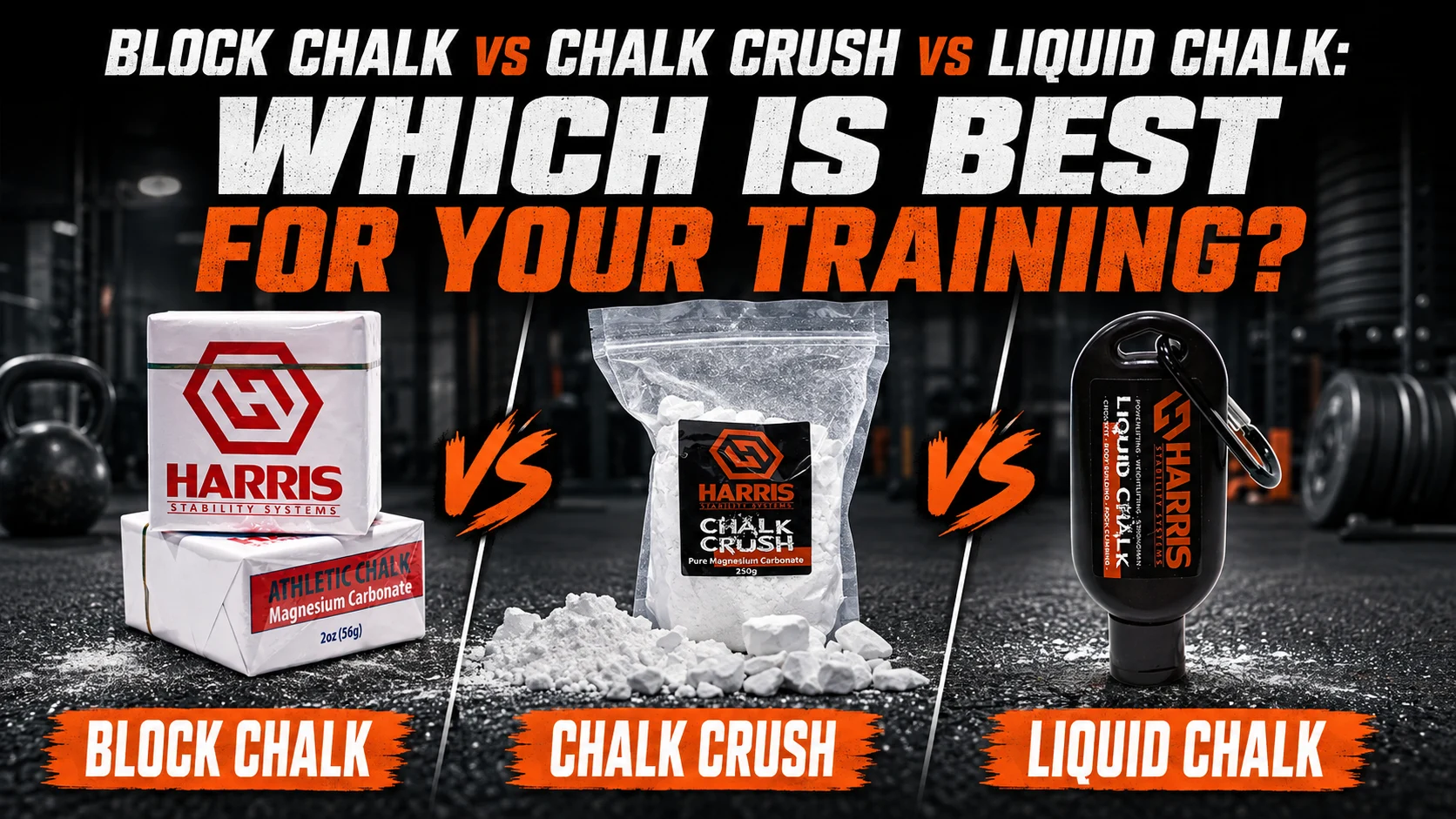
Block Chalk vs Chalk Crush vs Liquid Chalk: Which Is Best for Your Training?
Choosing the Right Lifting Chalk for Better Grip
Grip strength can be the difference between making a lift and missing it.
Whether you're deadlifting, performing pull-ups, tackling strongman events or training for powerlifting, reducing moisture on your hands helps improve confidence and control over the bar.
That's where lifting chalk comes in.
But with block chalk, chalk crush, and liquid chalk all available, which option is best?
The answer depends on how and where you train.
This guide explains the advantages of each type of lifting chalk so you can choose the right product for your training.
Why Use Lifting Chalk?
The purpose of lifting chalk is simple.
It absorbs moisture from your hands to improve grip during heavy lifting.
Better grip can help during:
-
Deadlifts.
-
Pull-ups.
-
Rows.
-
Olympic lifting.
-
Strongman events.
-
Gymnastics movements.
-
Rock climbing.
Many athletes find chalk helps them maintain a more secure grip, particularly during high-volume training or in hot conditions.
Block Chalk
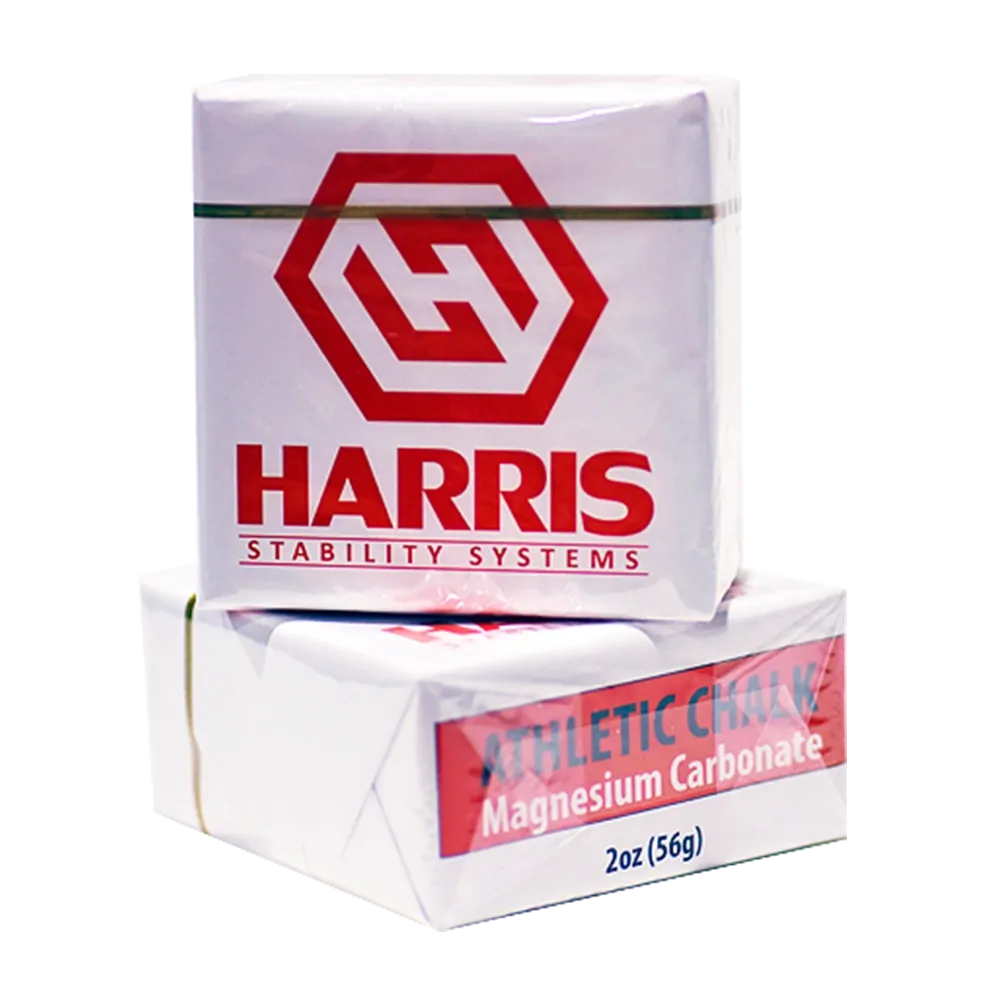
Block chalk is the traditional choice used by powerlifters, weightlifters and strength athletes around the world.
It consists of compressed magnesium carbonate that can be broken into smaller pieces or rubbed directly onto the hands.
Best For
-
Powerlifting.
-
Strongman.
-
Weightlifting.
-
Home gyms.
-
Heavy deadlifts.
Advantages
-
Maximum grip.
-
Traditional feel.
-
Long-lasting.
-
Excellent value.
-
Easy to refill chalk bowls or buckets.
The main downside is that block chalk creates more dust than other formats.
Chalk Crush
Chalk crush is simply block chalk that has already been broken into smaller pieces.
This makes it quicker and easier to apply without needing to crush the chalk yourself.
Best For
-
Commercial gyms.
-
Chalk buckets.
-
Shared training spaces.
-
Athletes wanting fast application.
Advantages
-
Ready to use.
-
Less preparation.
-
Same excellent grip as block chalk.
-
Easy to refill containers.
Performance is almost identical to traditional block chalk.
The main difference is convenience.
Liquid Chalk
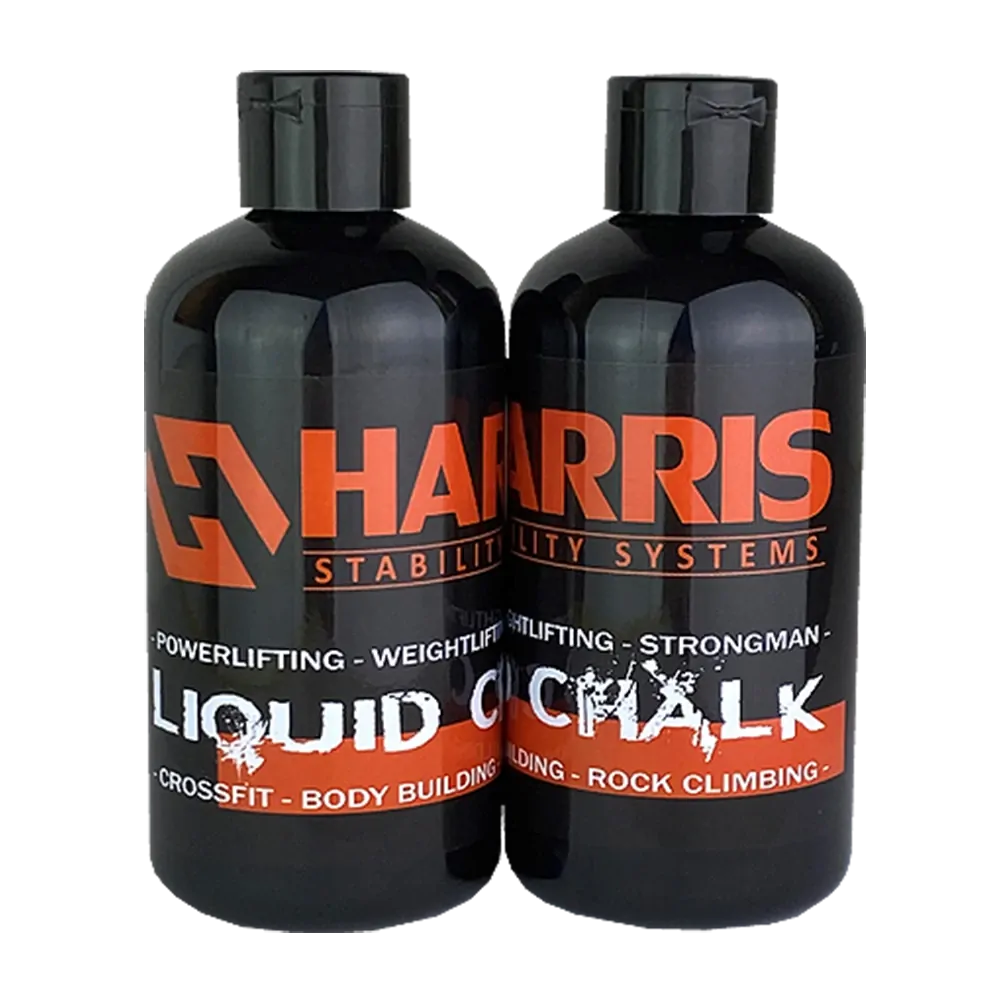
Liquid chalk combines magnesium carbonate with alcohol to create a liquid that dries on your hands within seconds.
Once dry, it leaves a thin layer of chalk while producing significantly less mess than traditional chalk.
Best For
-
Commercial gyms.
-
Home gyms.
-
CrossFit.
-
Travelling.
-
Gyms with chalk restrictions.
Advantages
-
Minimal mess.
-
Portable.
-
Quick application.
-
Long-lasting grip.
-
Less chalk dust.
Liquid chalk has become increasingly popular because many commercial gyms discourage loose chalk.
Which Type of Chalk Should You Choose?
Your training environment is usually the biggest deciding factor.
Choose Block Chalk if you:
-
Train heavy regularly.
-
Prefer traditional chalk.
-
Train in a home gym.
-
Want maximum grip.
Choose Chalk Crush if you:
-
Like traditional chalk.
-
Want quicker application.
-
Refill chalk buckets or bowls.
-
Share equipment with training partners.
Choose Liquid Chalk if you:
-
Train in commercial gyms.
-
Travel regularly.
-
Want minimal mess.
-
Need a portable option.
There isn't a single "best" option—only the one that suits your training.
Frequently Asked Questions
Is liquid chalk as effective as block chalk?
For most training sessions, liquid chalk provides excellent grip while producing much less mess.
Many athletes still prefer block chalk for maximal lifting, while others appreciate the convenience of liquid chalk.
What is chalk crush?
Chalk crush is simply crushed block chalk that comes ready to use without needing to break up solid blocks yourself.
Can I use lifting chalk in commercial gyms?
Many gyms allow liquid chalk while restricting loose chalk.
Always check your gym's policies before training.
Does lifting chalk damage barbells?
No.
Quality lifting chalk is designed to improve grip and can be easily cleaned from equipment after use.
Who benefits most from lifting chalk?
Powerlifters, CrossFit athletes, strongman competitors, Olympic weightlifters, gymnasts, climbers and anyone performing heavy pulling movements can benefit from improved grip.
Final Thoughts
Every form of lifting chalk is designed to solve the same problem—improving grip.
The best choice depends on your training environment, personal preference and how you like your chalk to feel.
Whether you prefer the traditional performance of Harris Athletic Chalk Blocks, the convenience of Harris Chalk Crush, or the portability of Harris Liquid Chalk, every option is designed to help you train with greater confidence and control.